Summary
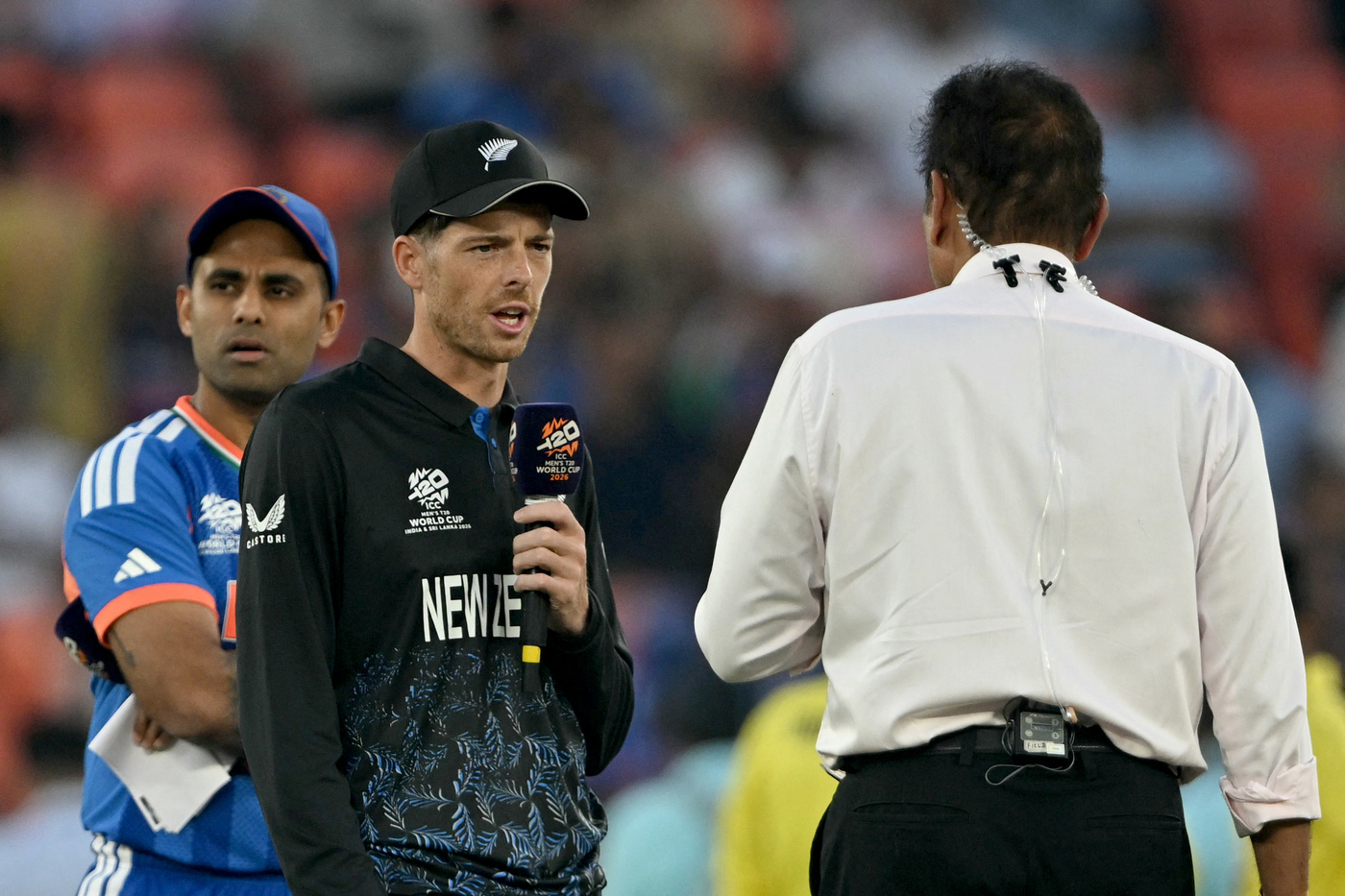
New Zealand has made a surprising change to their starting lineup for the highly anticipated match against India. The team decided to bring in fast bowler Jacob Duffy, replacing off-spinner Cole McConchie. This move comes despite many experts suggesting that a spinner would be more effective against India’s left-handed batters. Meanwhile, the Indian team has chosen to stay with the same lineup that played in their previous game, showing confidence in their current form.
Main Impact
The decision to play Jacob Duffy instead of Cole McConchie marks a major shift in New Zealand's bowling plan. Usually, teams use off-spinners to challenge left-handed players because the ball moves away from the bat, making it harder to hit. By choosing a pacer like Duffy, New Zealand is moving away from this traditional tactic. This choice puts a lot of pressure on the fast bowlers to take early wickets and prevent India’s top order from scoring quickly.
Key Details
What Happened
During the team announcement before the match, New Zealand confirmed that Jacob Duffy would join the bowling attack. This was unexpected because Cole McConchie had performed very well in the recent semi-final. In that game, McConchie proved his worth by taking two important wickets in a single over. Many fans thought his ability to take wickets under pressure would earn him a spot in the game against India. However, the team management decided that extra pace was more important for this specific match.
Important Numbers and Facts
In the semi-final match against South Africa, Cole McConchie was a standout performer. He managed to dismiss both Quinton de Kock and Ryan Rickelton in the same over, which completely changed the momentum of that game. Despite this success, he will watch from the sidelines today. India, on the other hand, has decided not to change anything. They are sticking with the same eleven players who have been winning games recently. This shows that India values stability and does not want to disrupt a winning combination.
Background and Context
Cricket matches between India and New Zealand are often decided by small tactical choices. In this case, the focus is on "match-ups." A match-up is when a team picks a specific type of bowler to face a specific type of batter. India’s batting lineup features several strong left-handed players. In cricket theory, an off-spinner is the best weapon against these batters. This is why the talk before the game was all about whether McConchie would play.
New Zealand’s choice to go with Duffy suggests they believe the pitch or the weather conditions will help fast bowlers more than spinners. Jacob Duffy is known for his ability to swing the ball and use his height to get extra bounce. If the ball moves in the air early in the game, Duffy could be very dangerous. However, if the pitch is dry and slow, the team might regret not having the extra spin option that McConchie provides.
Public or Industry Reaction
Cricket fans and sports commentators have been quick to discuss this selection. Some believe that New Zealand is taking a big risk by leaving out a player who was in such good form. Social media has been full of debates about whether "pace over spin" is the right move against a team as strong as India. Many analysts were surprised that New Zealand ignored the success McConchie had in the semi-final. On the other side, Indian fans seem happy that their team is staying consistent. Stability is often seen as a sign of a team that knows exactly how it wants to play.
What This Means Going Forward
The results of this match will show if New Zealand’s gamble paid off. If Jacob Duffy takes early wickets and puts India on the back foot, the coaches will look like geniuses. It would prove that reading the pitch is more important than following standard tactical rules. However, if India’s left-handed batters score a lot of runs, there will be many questions about why the off-spinner was left out. For India, staying unchanged means they are trusting their players to handle whatever New Zealand throws at them. This match will be a test of whether pace or spin is the better way to stop a powerful batting lineup.
Final Take
New Zealand has chosen a bold path by favoring speed over spin. While the data suggested that an off-spinner was the logical choice, the team is trusting Jacob Duffy’s skills to get the job done. India’s decision to remain unchanged shows they are comfortable and ready for the challenge. This game is now a battle between New Zealand’s tactical risk and India’s steady consistency. The first few overs of the match will likely tell us which team made the better decision.
Frequently Asked Questions
Why did New Zealand pick Jacob Duffy over Cole McConchie?
The team likely felt that the pitch conditions would help a fast bowler more than a spinner. They chose Duffy’s pace and swing over McConchie’s off-spin, even though McConchie played well in the last game.
Why is an off-spinner usually good against left-handed batters?
An off-spinner turns the ball away from a left-handed batter. This makes it harder for the batter to hit the ball cleanly and often leads to catches or missed shots.
Did India make any changes to their team?
No, India decided to play the exact same team as their previous match. They are sticking with a lineup that has been performing well and winning games.