
Summary
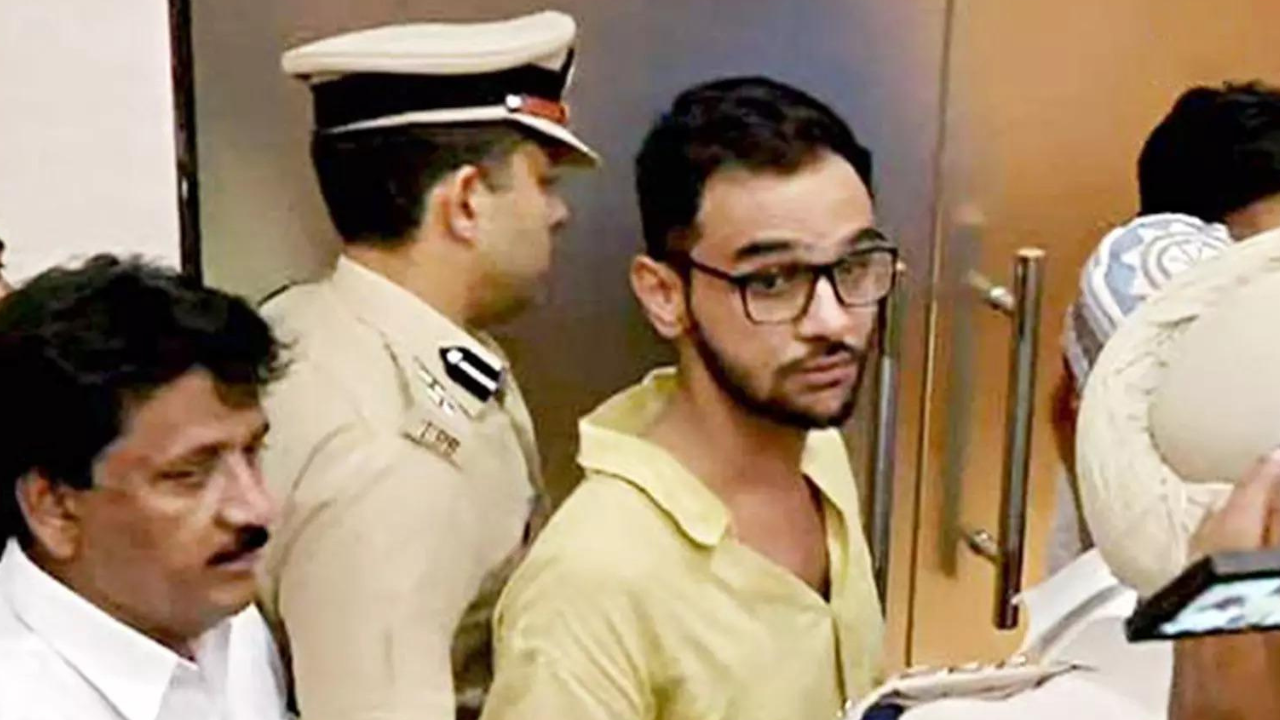
Umar Khalid, a former student leader from Jawaharlal Nehru University, has filed a new petition in the Supreme Court of India. He is asking the court to review its earlier decision that denied him bail in the 2020 Delhi riots conspiracy case. Khalid has been in prison for over three and a half years and is now requesting an open-court hearing to argue his case. This move is a significant step in his long legal battle to secure his release while he waits for his trial to begin.
Main Impact
The decision to seek a review puts the spotlight back on India’s strict anti-terror laws and the rights of people held in jail for long periods without a trial. By asking for an open-court hearing, Khalid is trying to ensure that his legal arguments are heard publicly rather than behind closed doors. This case is seen as a major test for the judicial system regarding how it handles cases involving national security charges and individual freedom. If the court agrees to the review, it could set a precedent for how similar cases are treated in the future.
Key Details
What Happened
Umar Khalid’s legal team submitted a review petition challenging the Supreme Court’s previous refusal to grant him bail. In the Indian legal system, a review petition is a request for the court to look at its own judgment again because there might be an error. Usually, these petitions are decided by judges in their private chambers without any lawyers present. However, Khalid has specifically prayed for an "open-court hearing," which would allow his lawyers to speak directly to the judges and explain why the previous decision should be changed.
Important Numbers and Facts
Khalid was arrested by the Delhi Police in September 2020. Since then, he has spent more than 1,300 days in custody. He is charged under the Unlawful Activities (Prevention) Act, commonly known as UAPA. This law is very strict and makes it much harder for a person to get bail compared to regular criminal laws. The case against him is related to the violence that occurred in Northeast Delhi in February 2020, where 53 people lost their lives and hundreds were injured. The police claim Khalid was one of the main people who planned the unrest, a charge he has consistently denied.
Background and Context
The 2020 Delhi riots took place during a time of intense protests across India against the Citizenship Amendment Act (CAA). The violence broke out in several parts of the city, leading to widespread damage to property and loss of life. The police investigation led to the arrest of several activists and student leaders, including Khalid. They were accused of using the protests as a cover to start a conspiracy against the government.
Khalid’s case has moved through various levels of the court system. He first applied for bail in the lower courts, which was rejected. He then went to the Delhi High Court, which also denied his request in 2022. Finally, he approached the Supreme Court. After several delays and changes in the bench of judges hearing the case, his bail plea was eventually dismissed, leading to this current request for a review.
Public or Industry Reaction
The legal community and the public are closely watching this case. Supporters of Khalid argue that his long detention without a trial is a violation of human rights. They believe that the evidence against him is not strong enough to keep him in jail for years. Many activists have called for a faster legal process to ensure that justice is served. On the other side, the police and government lawyers argue that the charges are very serious. They claim that the safety of the country is at risk and that the strict rules of the UAPA must be followed to prevent future violence. The debate often centers on whether the law is being used correctly or if it is being used to silence people who disagree with the government.
What This Means Going Forward
The Supreme Court must now decide whether to accept the review petition and whether to allow the open-court hearing. Review petitions are not often successful because the court rarely changes its mind unless there is a very clear mistake in the original judgment. If the court rejects the petition, Khalid will likely remain in jail until his trial concludes, which could take several more years. However, if the court agrees to hear the case in public, it will provide a fresh opportunity for his lawyers to challenge the evidence provided by the police. This decision will be a key indicator of how the court balances the power of the state with the rights of the accused.
Final Take
The case of Umar Khalid highlights a difficult reality in the legal system where the process itself can become a form of punishment. Staying in jail for years without being found guilty is a serious matter that touches on the core values of fairness and justice. As the Supreme Court considers this review, the outcome will matter not just for Khalid, but for the legal standards applied to everyone charged under strict security laws. The world will be watching to see if the court chooses to take a second look at the facts of this long-running case.
Frequently Asked Questions
What is a review petition in the Supreme Court?
A review petition is a formal request for the Supreme Court to reconsider a judgment it has already made. It is usually filed if the person believes there was a major error or if new information has come to light.
Why has Umar Khalid been in jail for so long?
He is charged under the UAPA, a law that deals with terrorism and national security. This law makes it very difficult for judges to grant bail, leading to long periods of detention before a trial is finished.
What is an open-court hearing?
An open-court hearing is a session where lawyers can present their arguments in front of judges and the public. Most review petitions are decided privately by judges reading papers, so an open hearing is a special request.



