
Summary
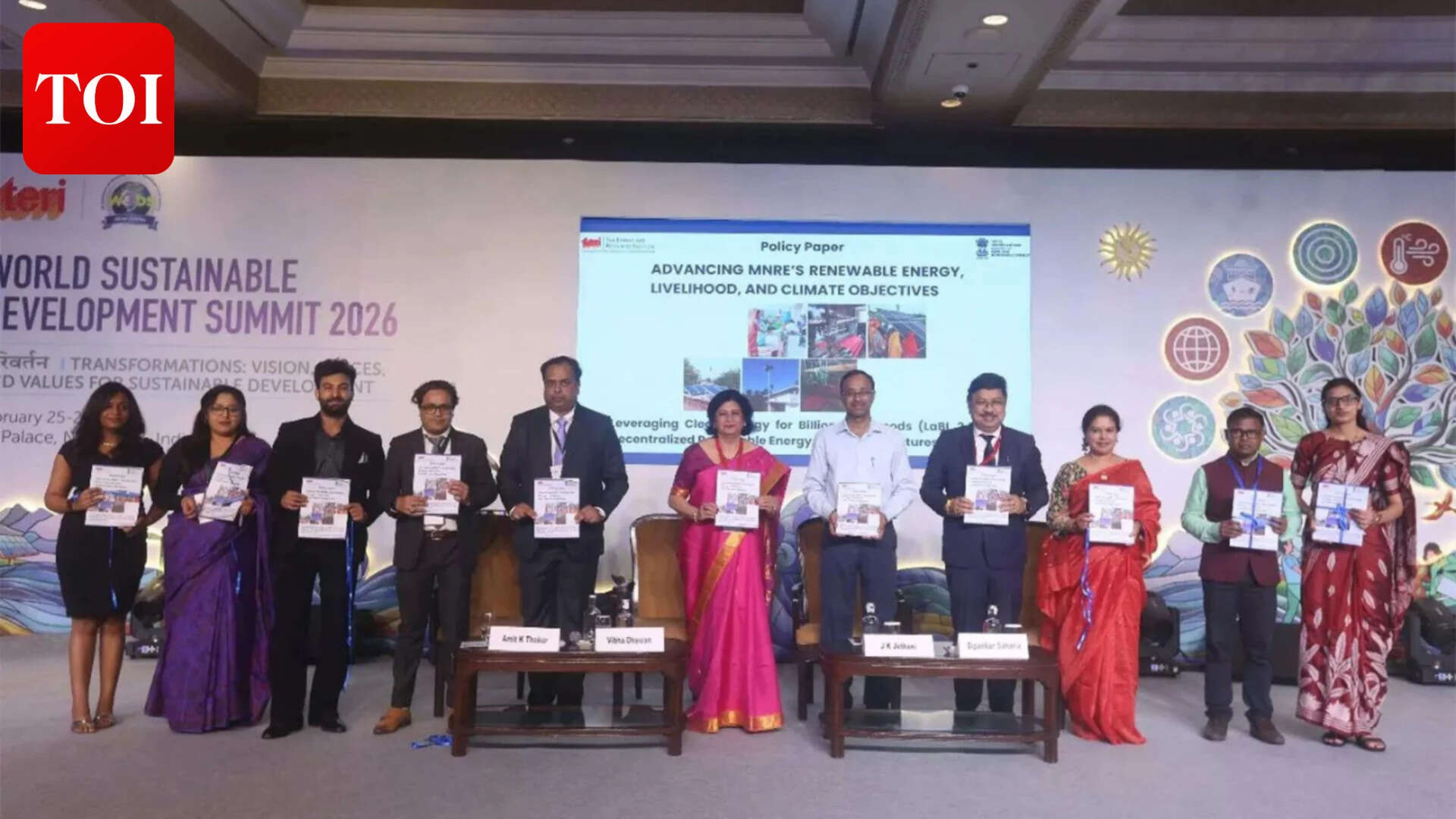
The Energy and Resources Institute, known as TERI, has started a new phase of its major energy project called Lighting a Billion Lives 2.0. This new version of the program was introduced during a special event in New Delhi. While the first version focused on bringing basic light to homes, this new stage aims to use clean energy to help people earn a better living. The project focuses on using local renewable energy to support small businesses, help women become leaders, and protect the environment.
Main Impact
The biggest change with this project is the shift from simple survival to economic growth. In the past, having a single light bulb in a home was a major goal for many rural families. Now, TERI wants to provide enough power so that people can run machines, process food, and manage shops. This change is expected to create thousands of "green jobs" that do not harm the planet. By giving people the tools to start their own businesses, the program helps reduce poverty while also fighting climate change.
Key Details
What Happened
The official launch took place at an event called the "Dinner of Hope" in New Delhi. Leaders from the government, business world, and social groups gathered to see the new plan. The event highlighted how clean energy is no longer just a luxury but a necessary tool for work. TERI explained that the goal is to reach the "next billion" people who still lack reliable power for their daily jobs. The program will use solar power and other clean sources that can be set up right in the villages where people live.
Important Numbers and Facts
The program targets a massive scale, aiming to impact a billion people globally. It focuses on decentralized renewable energy, which means power is made and used locally instead of coming from a far-away power plant. This method is cheaper and more reliable for remote areas. A major part of the plan is to support women-led entrepreneurship. Research shows that when women have access to reliable power, they are more likely to start small businesses that benefit their entire community. The project also tracks measurable climate action, meaning they will count exactly how much carbon pollution is stopped by using solar power instead of coal or kerosene.
Background and Context
For many years, rural development focused only on "electrification," which often just meant putting a wire into a village. However, many of these wires did not carry enough power to run a sewing machine or a water pump. TERI’s original program, Lighting a Billion Lives, was very successful at giving families solar lanterns. This helped children study at night and kept homes safe. But as the world changes, people need more than just a lamp. They need "productive power." This means energy that is strong enough to help someone run a business. By moving to version 2.0, TERI is acknowledging that energy is the foundation of a modern economy.
Public or Industry Reaction
Experts in the energy sector have praised the move toward decentralized power. Many believe that big power grids are too slow and expensive to reach every small village. By using local solar setups, communities can become self-sufficient. Social workers have also welcomed the focus on women. In many parts of India and the world, women manage the household and are the first to use new tools to improve their family's income. Industry leaders at the New Delhi event noted that this project sets a good example for how clean energy can solve two problems at once: helping the poor and saving the environment.
What This Means Going Forward
In the coming years, we can expect to see more solar-powered tools in rural areas. This includes things like solar-powered fridges for farmers to keep their milk fresh or solar pumps for clean water. The success of LaBL 2.0 will depend on how well these communities can maintain the equipment. TERI plans to train local people to fix and manage the solar systems, which creates even more jobs. If this model works well in India, it could be used in many other countries in Africa and Asia. The ultimate goal is to create a world where everyone has the power they need to work and grow without causing more pollution.
Final Take
Providing light was the first step, but providing power for work is the real key to changing lives. TERI’s new initiative shows that clean energy is the best way to help people move out of poverty. By focusing on local solutions and supporting women, this project builds a stronger and cleaner future for everyone. It is a clear sign that the global energy transition is now about more than just technology; it is about people and their ability to build a better life.
Frequently Asked Questions
What is the difference between LaBL 1.0 and 2.0?
The first version focused on providing basic light, like solar lamps, to homes. Version 2.0 focuses on providing enough clean energy to power businesses and help people earn money.
What does decentralized renewable energy mean?
It means energy that is produced close to where it is used, such as solar panels on a village roof, rather than coming from a large, distant power station.
How does this project help the environment?
By using solar and other clean energy sources, the project reduces the need for fossil fuels like coal, oil, and kerosene, which helps lower carbon emissions and fight climate change.



