
Summary
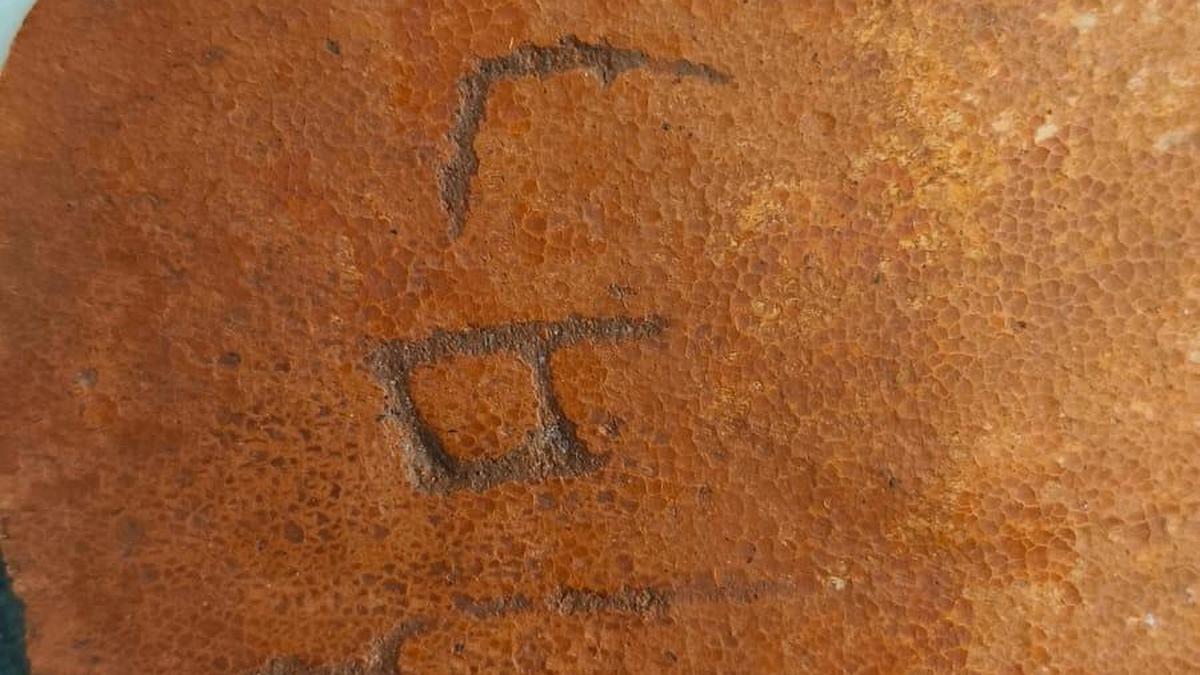
A team from the Archaeological Survey of India (ASI) has discovered a significant piece of ancient history at a site in Kumarikkalpalayam. The team found a potsherd, which is a broken piece of pottery, featuring a short inscription written in the Tamil-Brahmi script. Experts have dated this writing to the period between the late 1st century BCE and the early 1st century CE. This find is important because it provides more evidence of how people lived and communicated in the region about 2,000 years ago.
Main Impact
The discovery of this inscribed pottery fragment has a major impact on our understanding of early literacy in southern India. It suggests that the ability to read and write was not limited to a small group of people or used only for official government records. Instead, finding writing on everyday items like cooking or storage pots shows that common people likely used the script in their daily lives. This adds a new layer to the history of the Tamil language and its development during the ancient Sangam period.
Key Details
What Happened
During a planned excavation at Kumarikkalpalayam, archaeologists carefully cleared away layers of earth to find remnants of an old settlement. Among the items they recovered was a small fragment of a ceramic vessel. Upon closer inspection, the team noticed characters scratched into the surface of the clay. These characters were identified as Tamil-Brahmi, which is the oldest known script used for the Tamil language. The discovery was made as part of ongoing efforts to map out historical sites across the state.
Important Numbers and Facts
The artifact has been dated using paleography, a scientific method where experts study the style and shape of old handwriting to determine its age. The analysis shows the inscription was made roughly between 50 BCE and 50 CE. This timeframe places the object at the transition point between the late 1st century BCE and the early 1st century CE. The potsherd itself is a small piece of a larger container, but the few letters remaining on it are clear enough for researchers to study and categorize.
Background and Context
To understand why this find matters, it is helpful to know about the Tamil-Brahmi script. This writing system was adapted from the Brahmi script used in other parts of ancient India, but it included special marks to represent sounds that are unique to the Tamil language. During the Sangam era, which was a golden age for Tamil literature and culture, this script was widely used. Finding these inscriptions helps historians confirm the dates of ancient poems and stories that have been passed down through generations. Kumarikkalpalayam is one of several sites in the region that continue to yield clues about the sophisticated society that existed in southern India thousands of years ago.
Public or Industry Reaction
Historians and researchers have expressed great interest in this new find. Many believe that each new inscription helps to build a more complete map of ancient trade and social life. In the past, similar discoveries in places like Keeladi have drawn national attention, and this find at Kumarikkalpalayam adds to that growing body of knowledge. Local residents have also shown interest in the work of the ASI, as it highlights the deep historical roots of their own community. Academic experts are now looking forward to a full report that might explain what the specific letters on the pot actually mean, such as a person's name or the contents of the vessel.
What This Means Going Forward
This discovery will likely encourage the Archaeological Survey of India to continue its work in the area. If one piece of inscribed pottery was found, there is a high chance that more artifacts are buried nearby. Future digging could reveal larger structures, such as homes, workshops, or marketplaces. This would help researchers understand if Kumarikkalpalayam was a small village or a larger center for trade. Additionally, the data gathered from this potsherd will be added to a national database of ancient inscriptions, helping linguists track how the Tamil language has changed over the last two millennia.
Final Take
The discovery of a simple piece of broken pottery might seem small, but it carries a heavy weight of history. It proves that 2,000 years ago, people in this region were already using a structured writing system to mark their belongings. These small clues are essential for piecing together the story of human civilization. As the ASI continues its work, we can expect to learn even more about the daily lives, language, and culture of the ancient people who once called Kumarikkalpalayam home.
Frequently Asked Questions
What is a potsherd?
A potsherd is a broken piece of ceramic or pottery. Archaeologists study these fragments because they are very durable and can survive in the ground for thousands of years, often carrying clues about the people who made them.
What is Tamil-Brahmi?
Tamil-Brahmi is the earliest version of the script used to write the Tamil language. It was used between the 3rd century BCE and the 1st century CE and is the ancestor of the modern Tamil script used today.
How do experts know how old the writing is?
Experts use a method called paleography. They look at the specific way the letters are formed and compare them to other known examples of writing from different time periods to estimate when the inscription was made.



