Summary
The U.S. and Iran are stuck in a standoff over the Strait of Hormuz, a narrow waterway critical for global oil shipments. Despite a ceasefire, both sides continue to clash over who controls the strait. A new plan from Oman, inspired by an old biblical story, suggests splitting the waterway into two separate routes to end the deadlock.
Main Impact
The Strait of Hormuz is one of the world's most important oil shipping lanes. The ongoing conflict has disrupted oil supplies, kept prices high, and forced countries to use emergency reserves. The stalemate threatens the global economy, and a solution is urgently needed to prevent further damage.
Key Details
What Happened
After a ceasefire between the U.S. and Iran, fighting in the Persian Gulf has continued on and off. Iran demands that all ships passing through the Strait of Hormuz get its permission. It has attacked vessels that do not follow its approved route along the Iranian coast. The U.S. has responded by bombing Iranian military sites and protecting ships that use an alternative route near Oman.
Important Numbers and Facts
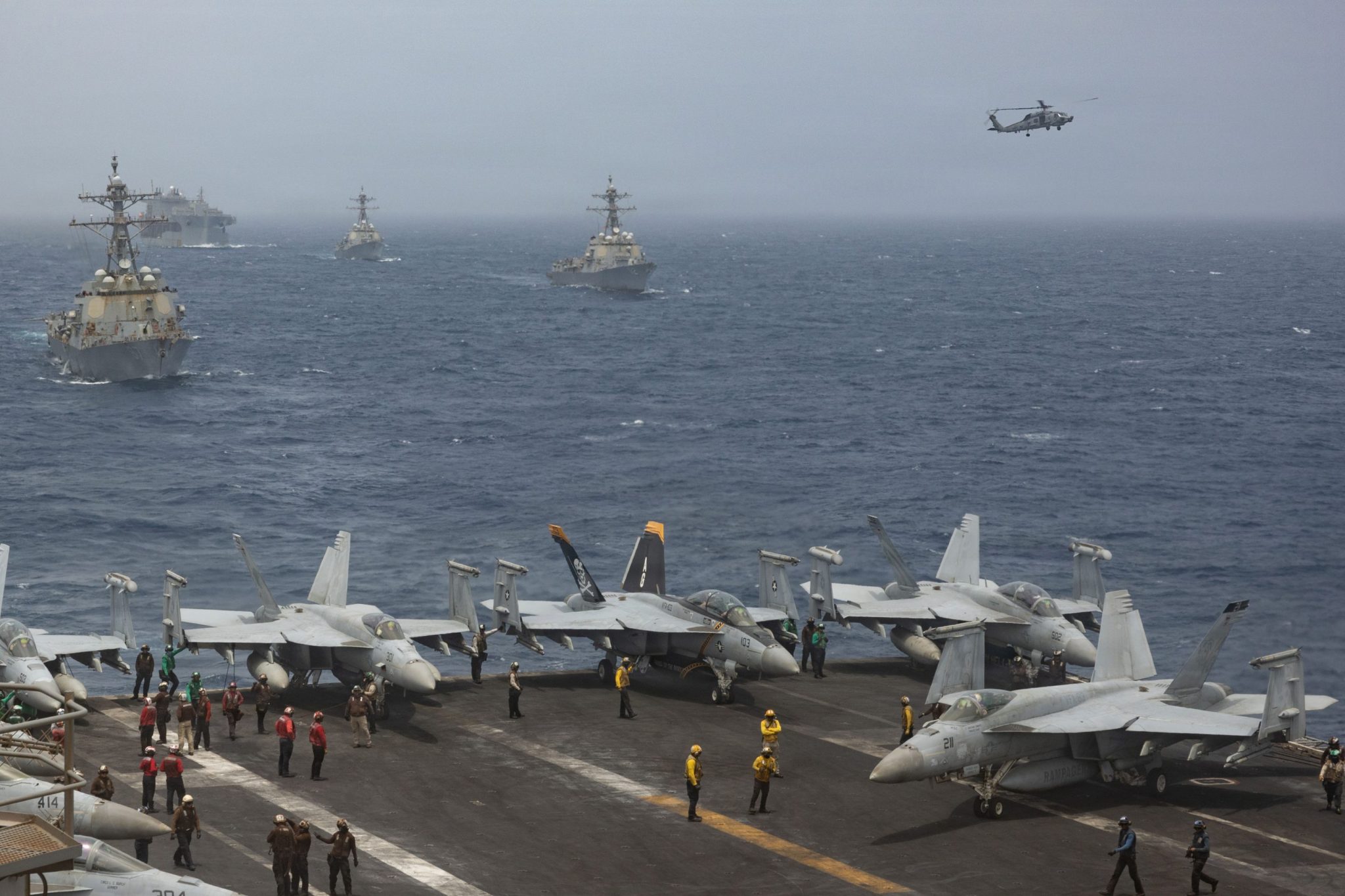
U.S. officials want Iran to publicly state the strait is open for all ships. But Iran sees its ability to close the strait as its main bargaining chip. Weeks of U.S. bombing during the war did not fully reopen the waterway. The U.S. Navy set up a safe channel by guiding ships through and defending them from attacks. This has led to a stalemate, with neither side willing to give in.
Background and Context
The Strait of Hormuz connects the Persian Gulf to the open ocean. A large portion of the world's oil passes through it. Any disruption there can cause oil prices to spike and hurt economies worldwide. Iran has long used its location to control traffic in the strait. The U.S. wants free navigation for all ships, which is a key principle of international law.
Public or Industry Reaction
Shipping companies and insurers are cautious. Even if officials say a route is safe, companies will not send ships unless they are sure they will not be attacked. The U.S. military has been defending the Omani route, but some attacks have still happened. This uncertainty keeps oil markets under pressure.
What This Means Going Forward
Oman has proposed a plan to split the strait into two corridors. The southern route, through Omani waters, would be open for free navigation. The northern route, through Iranian waters, would need Iran's approval. This idea is like the biblical story of King Solomon, who suggested cutting a baby in half to find its true mother. The plan is not final yet, but Iran's foreign minister has already discussed it with Oman.
Experts say the current ceasefire may not last. More skirmishes are possible, and the U.S. could try to force the strait open with military action. Another option is a naval blockade to weaken Iran's economy. A new deal may be needed within one to two months, as both sides face pressure at home.
Final Take
The standoff over the Strait of Hormuz is a dangerous game of brinkmanship. Both the U.S. and Iran are using strikes and counter-strikes to gain leverage. A split corridor plan from Oman offers a way out, but it will only work if shipping companies feel safe enough to use it. Until then, the global economy remains at risk.
Frequently Asked Questions
Why is the Strait of Hormuz so important?
The Strait of Hormuz is a narrow waterway in the Persian Gulf. About one-fifth of the world's oil passes through it. Any disruption there can cause oil prices to rise and hurt the global economy.
What is Oman's plan to solve the conflict?
Oman has proposed splitting the strait into two routes. The southern route, through Omani waters, would be open for all ships. The northern route, through Iranian waters, would require Iran's permission. This plan aims to give both sides some control without a full shutdown.
Could the U.S. and Iran go back to war?
Experts say more fighting is possible, but both sides seem reluctant to start a full war. The current strikes are seen as a way to bargain for a better deal. A new agreement may be reached within a few months to avoid further escalation.