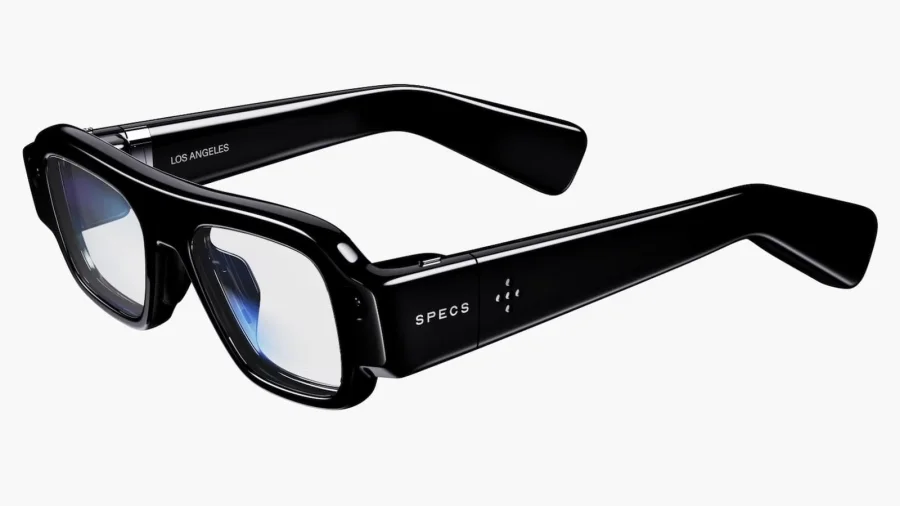
Snap is finally pulling back the curtain on its ambitious augmented reality glasses. On September 16, the company will host an event dedicated to its previously announced AR Spectacles, offering what it calls the “first in-depth look” at the $2,195 device. Developers, tech analysts, and AR enthusiasts have been waiting for concrete details since the glasses were first teased earlier this year.
Snap’s AR Hardware Strategy Takes Center Stage
Snap confirmed the event in a brief announcement, promising a deep dive into its fifth-generation Spectacles. Unlike earlier camera-centric models, these glasses pack full AR capabilities, including spatial mapping and hand tracking. The $2,195 price tag marks them as a professional developer tool rather than a consumer gadget.
The company has long talked about augmented reality as the next computing platform. Chief Executive Evan Spiegel has described AR glasses as central to Snap’s future, though previous Spectacles iterations failed to gain mass adoption. The September 16 event will test whether Snap can convince the developer community to build for its platform.
Why This Matters for Developers and the AR Ecosystem
Apple’s Vision Pro and Meta’s Quest mixed-reality headsets have set a high bar, but Snap is betting on a smaller, glasses-like form factor. For developers, the $2,195 device could offer a more wearable alternative for creating real-world AR experiences—from navigation overlays to interactive retail tools. The event is expected to reveal the full developer kit, including software development tools and API access.
If Snap succeeds, it could carve out a niche in enterprise and creative applications, where portability and all-day wearability matter more than raw processing power.
The Road to September 16: Snap’s AR Journey
Snap first distributed early developer units of its AR Spectacles in 2021, but only to a select group of creators. Those prototypes laid the groundwork for the current model. In its recent quarterly earnings, Snap highlighted steady progress in AR, with over 300 million daily active users engaging with AR features on the app. The glasses aim to extend that ecosystem into the physical world.
The company also acquired AR display specialist WaveOptics in 2021 to develop its own waveguide technology, a critical component for transparent AR lenses.
Who Will Benefit from Snap’s AR Specs?
The primary audience is developers—AR studios, gaming studios, and brands experimenting with immersive shopping. Small businesses and educators could also gain if Snap releases a consumer version later. For now, the price limits access, but Snap has offered subsidies or grants to developers in the past.
Consumers looking for a cheaper alternative to Apple’s Vision Pro may need to wait. The $2,195 price puts it between Meta’s Quest Pro and Apple’s headset, but without the same ecosystem of apps.
What Snap Has Said About the Event
“We look forward to giving developers an in-depth look at our next-generation glasses,” a Snap spokesperson said in the announcement. The company has not yet revealed how long the event will last or whether it will be livestreamed. Registration details are expected closer to the date.
Analysts from firms like IDC and CCS Insight have noted that Snap’s strength lies in its social AR user base, which could help it attract developers who already create Snapchat Lenses.
What We Know and What Remains Unclear
Confirmed facts: The event is on September 16. The glasses cost $2,195. They represent Snap’s fifth-generation Spectacles and include AR features like spatial computing. Unclear details: exact battery life, processor, weight, field of view, and when they will ship to developers. Snap has not announced a consumer launch date. All claims about performance improvements are based on prior prototypes, not public data.
Snap’s Moat in Augmented Reality
Snap’s competitive edge is its existing Lens Studio platform, with over 300,000 creators building AR effects for Snapchat. The glasses could extend that creator economy to physical spaces, offering a distribution advantage over rivals like Magic Leap and Microsoft HoloLens, which lack a large consumer base. Snap also controls both software and hardware, enabling tighter integration.
Risks and Balanced View
Priced at $2,195, the glasses face stiff competition. Apple’s Vision Pro has a more polished OS, while Meta’s Quest headsets have a lower entry price. Snap has struggled with hardware sales before—previous Spectacles generated lukewarm demand. Developer traction remains unproven, and the AR glasses market is still nascent. Critics also point to privacy concerns around always-on cameras.
On the positive side, Snap’s AR software is already used by millions daily, giving it a built-in content pipeline that competitors lack.
Wider Trend: The Race for Everyday AR Glasses
Snap’s September event is the latest in a series of AR hardware launches. Meta is reportedly working on a lightweight AR headset code-named “Orion.” Apple is expected to release a lower-cost Vision headset in 2025. The industry is moving from bulky VR helmets to glasses-like devices that can be worn all day. Snap’s attempt to lead in that form factor could define the next wave of personal computing.
What Developers Should Do Now
If you build for Snapchat Lenses, start exploring the AR glasses development resources Snap has already released. Register early for the September 16 event to hear about SDK updates. Budget for the $2,195 price if you plan to order developer units. Follow Snap’s developer blog and social channels for updates on availability and grant programs.
For non-developers, watch for livestream or recorded sessions to gauge whether the glasses are worth waiting for consumer versions.
Future Outlook
Snap will likely use the event to announce a formal developer program and a shipping timeline. If the glasses gain traction, a consumer version could follow in 2025–2026 at a lower price. However, the company’s financial pressures—including recent layoffs and slowing ad revenue—may temper its hardware ambitions. The September 16 event will reveal whether Snap can turn its AR vision into a sustainable business.
Our Take
Snap is smart to pitch its glasses as a developer tool first. The $2,195 price signals seriousness, but it also limits immediate adoption. The real test will be whether the software and developer experience can attract a community that rivals Apple and Meta. Snap’s advantage is its light form factor and existing AR ecosystem, but it needs to prove the glasses are comfortable and capable enough for daily use. For now, the event is a crucial marker in the AR arms race—one that could reshape Snap’s future or leave it as a niche player.
Frequently Asked Questions
When is Snap’s AR Spectacles event?
The event is scheduled for September 16. Snap has said it will provide the first in-depth look at its $2,195 AR glasses aimed at developers.
How much do Snap’s AR glasses cost?
The fifth-generation Spectacles with AR capabilities are priced at $2,195. This is a developer-focused price, not a consumer retail price.
What can the Snap AR glasses do?
They feature augmented reality overlays, hand tracking, and spatial mapping, allowing developers to create real-world AR experiences. They are lighter than typical VR headsets.
Will Snap’s AR glasses be available to the public?
Snap has not announced a consumer launch. The current model is for developers. A consumer version may come later if the developer program succeeds.