
Summary
India and Japan have entered a new partnership to improve how cities are built and managed using artificial intelligence. A Japanese company called ONESTRUCTION and an Indian group named DataKaveri are working together to collect and use data from construction projects. This project aims to stop the loss of important building information once a project is finished. By saving this data, both countries hope to create smarter cities that use digital models to solve everyday urban problems.
Main Impact
The biggest change from this partnership is the way city planners will use information. In the past, once a building or bridge was completed, the data used during its construction was often put away and forgotten. This new collaboration ensures that every piece of information about a building stays active in a digital system. This allows city leaders to use AI to monitor how buildings age, how they handle energy, and how they fit into the larger city environment. It marks a shift from simply building structures to managing them as living parts of a digital network.
Key Details
What Happened
The Japanese firm ONESTRUCTION has teamed up with DataKaveri, which is supported by the Indian Institute of Science (IISc). Together, they are building a bridge between the construction industry and urban technology. They want to take the detailed data created during the building process and plug it into AI platforms designed for smart cities. This means that the blueprints, material lists, and structural details of a building will now be used to help run the city more efficiently.
Important Numbers and Facts
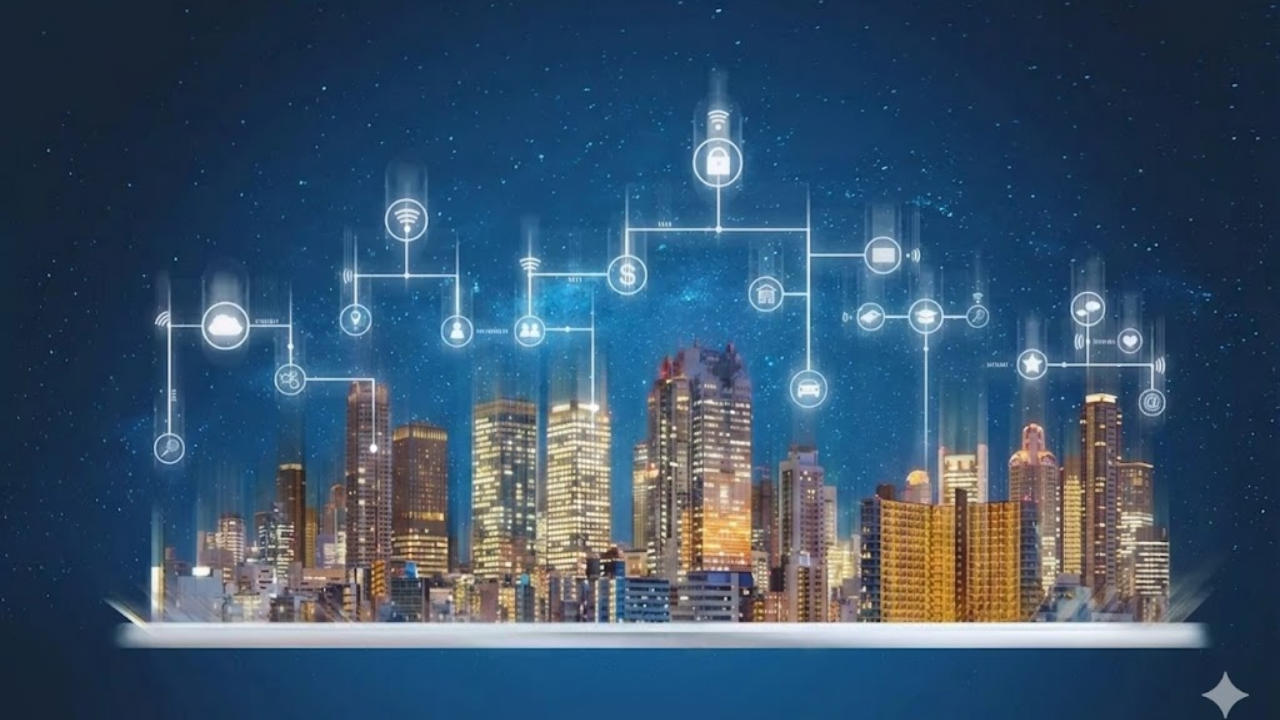
The partnership focuses on two main areas: India and Japan. India is currently seeing a massive increase in urban growth, with hundreds of smart city projects in development. Japan brings advanced technology and experience in high-tech construction. By combining these, the two groups are focusing on "digital twins." A digital twin is a virtual version of a real-world object. In this case, they are creating virtual versions of entire city sections. This allows experts to test changes in a computer program before making them in the real world, saving time and money.
Background and Context
To understand why this matters, we have to look at how cities are growing. More people are moving to cities than ever before. This puts a lot of pressure on roads, water systems, and electricity. To handle this, many countries are trying to build "smart cities." A smart city uses sensors and data to make life better for its citizens. For example, a smart city can change traffic lights based on real-time car flow or find water leaks before they become big problems.
However, a smart city needs a lot of data to work well. Construction data is one of the most valuable types of information, but it is usually hard to access because it is stored in different formats or owned by different companies. DataKaveri acts as a platform that helps share this data safely and easily. By working with ONESTRUCTION, they can now bring in high-quality data from the very beginning of a building's life.
Public or Industry Reaction
Experts in the technology and construction fields have welcomed this move. Many see it as a vital step for India’s "Digital India" mission. By using Japanese expertise, India can speed up its goal of having modern, tech-driven cities. On the other side, Japanese firms see India as a great place to test and grow their new AI tools. People living in these cities may not see the data directly, but they will notice the results, such as better-maintained buildings and more efficient public services. The reaction from the academic community is also positive, as the involvement of the Indian Institute of Science ensures that the project is based on strong research and secure data practices.
What This Means Going Forward
In the coming years, this partnership could lead to a new standard for how buildings are made. We might see a future where every new building must have a "digital birth certificate" that contains all its data. This would make it much easier for city officials to plan for repairs or upgrades. It also opens the door for more AI applications. For instance, AI could predict when a bridge needs maintenance years before a crack even appears. As India and Japan continue to share their findings, other countries may look to this partnership as a model for their own urban development.
Final Take
The collaboration between ONESTRUCTION and DataKaveri is more than just a business deal. It is a smart way to use technology to solve the physical problems of growing cities. By making sure that building data is saved and used, India and Japan are creating a foundation for cities that are safer, greener, and easier to live in. This partnership shows that when two countries share their knowledge, they can build a better future for everyone.
Frequently Asked Questions
What is a digital twin in a smart city?
A digital twin is a virtual map or model of a real building or city. It uses real-time data to show how the physical version is performing, helping planners make better decisions.
Why is construction data usually lost?
After a building is finished, the companies involved often move on to new projects. The blueprints and data are often stored in formats that are not easy for city management software to read or use.
How does this partnership help regular people?
By using AI and data, cities can manage traffic better, reduce energy waste, and ensure that buildings and infrastructure are safe and well-maintained, leading to a better quality of life.



