
Summary
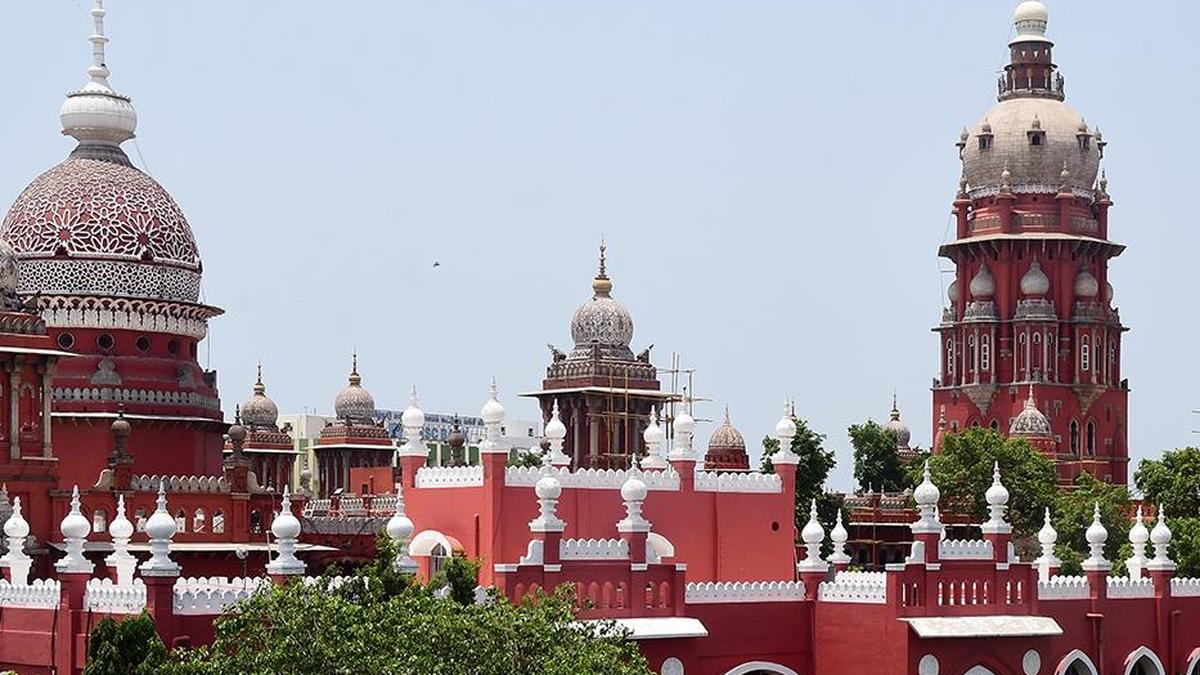
A new legal petition has been filed in the Madras High Court regarding the eligibility of candidates in Scheduled Caste (SC) reserved constituencies. The petitioner argues that only individuals who follow the Hindu, Sikh, or Buddhist faiths should be allowed to run for these specific seats. This move aims to prevent people who have converted to other religions from using benefits meant for the SC community. The case highlights a growing debate over religious identity and political representation in Tamil Nadu.
Main Impact
This legal challenge could have a major effect on how elections are conducted in Tamil Nadu and potentially across India. If the court rules in favor of the petitioner, it would lead to much stricter checks on the religious background of candidates. Many people who currently hold office or are planning to run might find their eligibility questioned. This situation also brings more attention to the complex relationship between social status, religious conversion, and the law.
Key Details
What Happened
Arjun Sampath, the leader of the Indu Makkal Katchi, filed a plea in the Madras High Court. He is asking the court to give clear instructions to election officials. His goal is to ensure that only those who belong to the religions officially recognized under the Scheduled Caste laws can contest in reserved areas. Sampath claims that many candidates are practicing a different faith while still claiming the benefits of being in a Scheduled Caste.
The petitioner expressed concern that the original intent of the reservation system is being ignored. He believes that the seats meant to empower marginalized groups are being taken by people who no longer qualify under the current legal definitions. The court is now being asked to step in and verify the status of those filing nominations.
Important Numbers and Facts
The petition focuses on the 44 reserved constituencies in the state of Tamil Nadu. According to the claims made by Arjun Sampath, a very high number of candidates in these areas may not be eligible. He stated that he has information suggesting that 90% of the nominations filed so far in these 44 seats have been submitted by people who are actually Christians.
Under the Constitution (Scheduled Castes) Order of 1950, only people who profess the Hindu, Sikh, or Buddhist religions are considered members of a Scheduled Caste. This means that if a person converts to Christianity or Islam, they legally lose their SC status. This rule is at the heart of the legal argument being presented to the High Court.
Background and Context
Reserved constituencies were created to make sure that people from historically disadvantaged groups have a seat at the table in government. In India, these seats are set aside in both the Parliament and State Assemblies. The idea is to provide a voice for those who have faced social and economic hardships for generations. However, the law has always been specific about who qualifies for these seats.
The debate over religious conversion is not new. For many years, there have been discussions about whether the social stigma of the caste system disappears when someone changes their religion. While some argue that discrimination continues regardless of faith, the current law is clear that SC status is tied to specific religions. This has led to many legal battles where people are accused of being "crypto-Christians"—people who practice Christianity in private but keep their Hindu names and status on official documents to keep their benefits.
Public or Industry Reaction
The filing of this plea has caused a stir among political parties and social activists. Some groups support the move, saying it is necessary to protect the rights of "true" Scheduled Caste members who have stayed within their original faith. They argue that those who convert often have access to other resources and should not take away opportunities from the most vulnerable.
On the other hand, some critics see this as a way to target religious minorities. They believe that checking the personal faith of every candidate is a difficult and intrusive process. Some activists also point out that the social reality of caste does not change just because someone goes to a different place of worship. They argue that the focus should be on social upliftment rather than strict religious definitions.
What This Means Going Forward
The Madras High Court will now have to look at the evidence provided by the petitioner. If the court finds that there is a widespread issue with ineligible candidates, it could order the Election Commission to perform more detailed background checks. This might involve looking into family records, marriage certificates, and community habits to determine a candidate's actual faith.
In the short term, this could lead to many nominations being rejected or challenged in court. In the long term, it might force a larger national conversation about whether the 1950 Order needs to be updated or if it should be more strictly enforced. Candidates in future elections will likely have to be much more careful about how they document their religious and caste identity.
Final Take
This case is a reminder of how deeply religion and politics are connected in India. While the reservation system was designed to bring equality, the rules surrounding it remain a point of high tension. The decision made by the court will be a significant moment for election law and the rights of the Scheduled Caste community. It highlights the need for clear rules that ensure social justice programs reach the people they were truly intended to help.
Frequently Asked Questions
Why are some religions excluded from SC status?
The 1950 Presidential Order states that the caste system is a feature of Hindu society. Therefore, only Hindus, and later Sikhs and Buddhists, are recognized as Scheduled Castes. Religions like Christianity and Islam are officially considered to be without a caste system.
What happens if a candidate is found to have converted?
If a candidate in a reserved seat is proven to have converted to a religion not covered by the SC order, their nomination can be cancelled. If they have already won the election, their victory can be challenged and declared void by a court.
How many reserved seats are there in Tamil Nadu?
There are 44 constituencies in the Tamil Nadu State Assembly that are reserved for candidates from the Scheduled Castes. These seats are the main focus of the current legal petition in the Madras High Court.



