
Summary
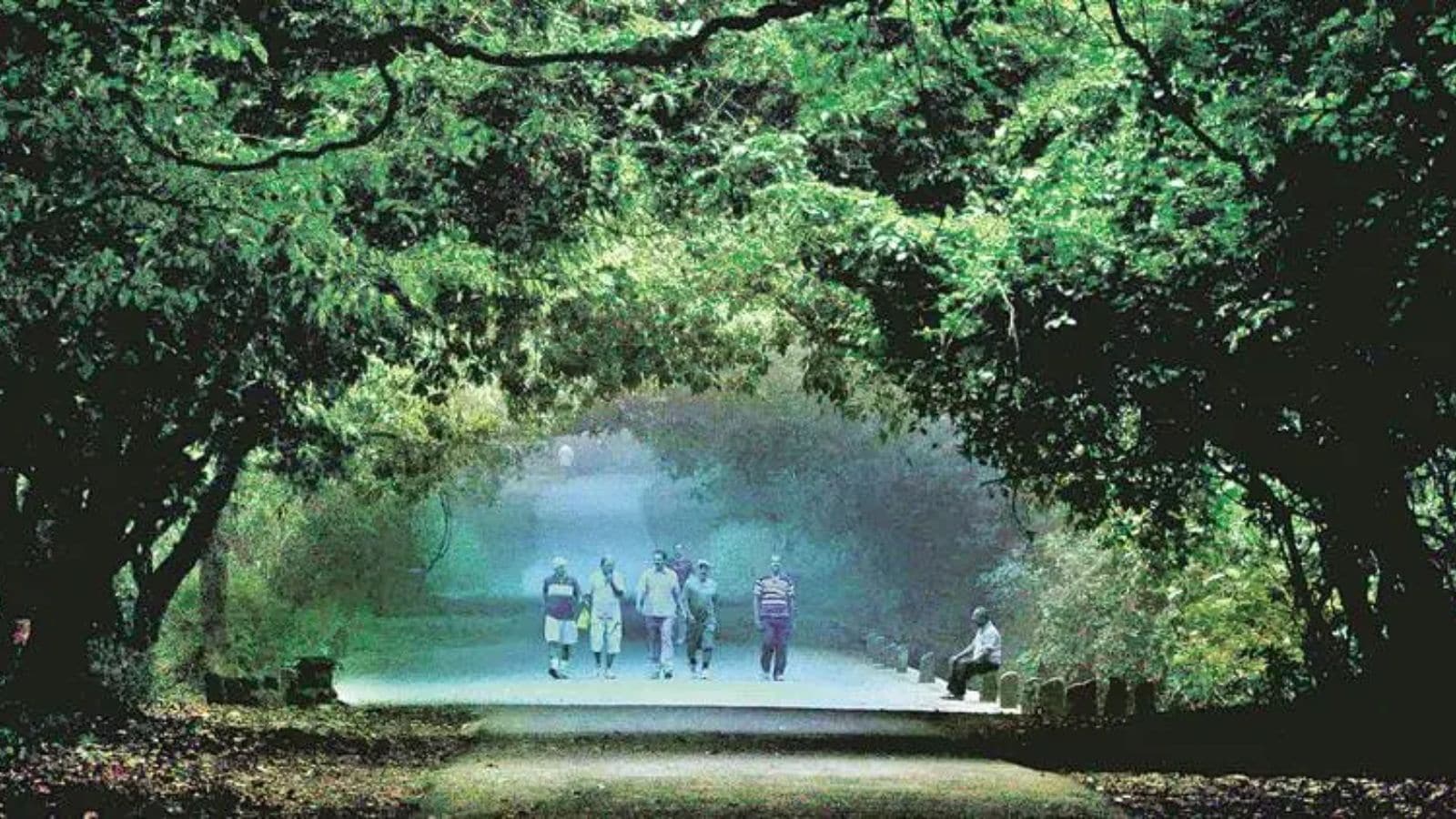
The Maharashtra government has officially approved a new Zonal Master Plan for the area surrounding Sanjay Gandhi National Park in Mumbai. This plan focuses on creating an Eco-Sensitive Zone that acts as a protective shield for the forest. The goal is to balance the needs of a growing city with the vital need to protect wildlife and nature. By pushing for sustainable tourism, the state hopes to create jobs while keeping the environment safe from heavy construction and pollution.
Main Impact
This approval is a major step in protecting Mumbai’s "green lungs." Sanjay Gandhi National Park is one of the very few national parks in the world located within a major city's limits. The new plan ensures that the land right outside the park boundaries is managed carefully. It prevents the spread of heavy industries and large-scale building projects that could harm the forest. Instead, it encourages activities that help the environment, such as planting more trees and building small, eco-friendly tourist spots.
Key Details
What Happened
The state government cleared the Zonal Master Plan after years of discussion and planning. This document serves as a rulebook for how land can be used in the Eco-Sensitive Zone. It follows the guidelines set by the central government to ensure that human activity does not disturb the animals living in the park. The plan specifically looks at how to manage water, waste, and traffic in the areas bordering the forest.
Important Numbers and Facts
The Eco-Sensitive Zone covers a significant area around the park, stretching across parts of Mumbai and Thane. Under the new rules, certain activities are strictly banned, such as setting up new wood-processing units or high-pollution factories. However, the plan allows for "green" activities. For example, local residents can continue their traditional farming, and small-scale tourism projects can be built if they follow strict environmental rules. The plan also emphasizes the protection of natural water sources and old walking paths used by local tribes.
Background and Context
Sanjay Gandhi National Park is famous for its population of wild leopards and ancient Kanheri Caves. For decades, the park has faced pressure from the fast-growing cities of Mumbai and Thane. As more people moved to these areas, buildings started to get closer and closer to the forest edge. This led to more encounters between humans and wildlife. The Eco-Sensitive Zone was created to act as a buffer, or a middle ground, where human activity is limited to protect the core forest area. Without a clear master plan, it was difficult for officials to stop illegal construction or manage the land properly.
Public or Industry Reaction
Environmental groups have welcomed the move, saying that a clear plan is better than having no rules at all. They believe this will help stop builders from encroaching on forest land. However, some activists are calling for very strict monitoring to make sure that "sustainable tourism" does not turn into a reason to build large hotels near the park. On the other hand, the tourism industry sees this as a chance to create new experiences for visitors, such as guided nature walks and educational centers that teach people about Mumbai’s unique biodiversity.
What This Means Going Forward
In the coming months, the local authorities will start implementing the rules laid out in the master plan. This means that any new project proposed near the park will have to go through a strict checking process. The government will also look for ways to involve local communities, such as the Adivasi groups living in and around the park, in tourism projects. This could provide them with new ways to earn money while acting as guardians of the forest. The success of this plan will depend on how well the rules are enforced and whether the city can truly grow without hurting its natural heritage.
Final Take
Protecting the area around Sanjay Gandhi National Park is not just about saving trees; it is about keeping Mumbai livable. The forest helps clean the air and provides water to the city. By approving this master plan, the government is acknowledging that nature and urban life must find a way to exist together. If managed well, this plan will ensure that future generations can still enjoy a wild forest in the heart of one of the world’s busiest cities.
Frequently Asked Questions
What is an Eco-Sensitive Zone?
It is a protected area around a national park or wildlife sanctuary. It acts as a buffer to reduce the impact of human activity on the forest and its animals.
Will people living near the park have to move?
No, the plan is not meant to displace existing residents. It is designed to regulate new construction and ensure that future development does not harm the environment.
What kind of tourism is allowed under the new plan?
The plan encourages sustainable tourism. This includes activities like nature trails, bird watching, and small eco-lodges that do not require cutting down many trees or creating a lot of waste.



