
Summary
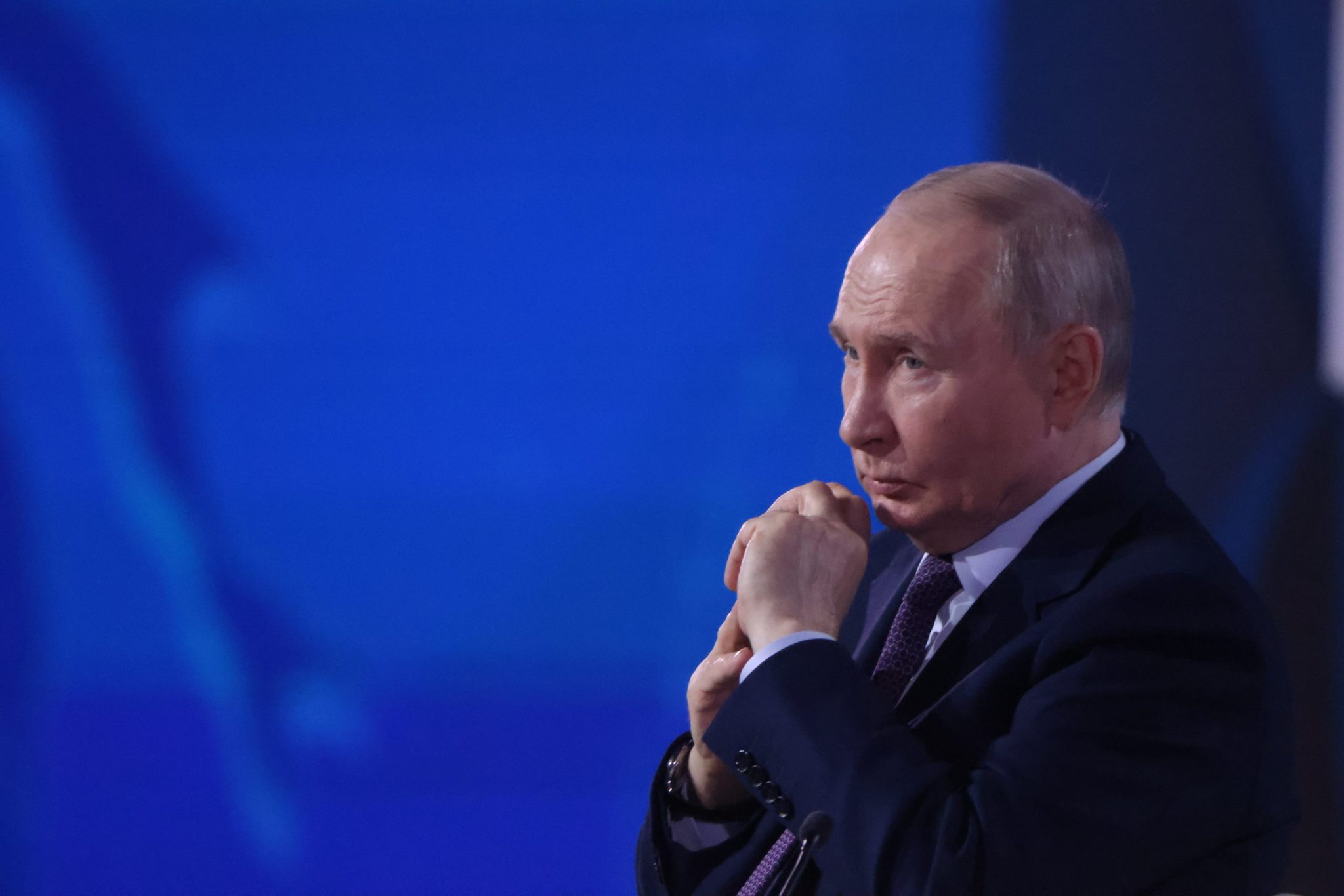
Russian President Vladimir Putin has publicly admitted that the Russian economy is facing significant challenges. During a televised meeting with his top economic advisors, Putin expressed frustration over falling growth numbers and demanded immediate solutions. Data shows that the country's Gross Domestic Product (GDP) shrank in the first two months of 2026, marking a sharp turn from previous years of growth. This admission comes as experts warn that a major financial crisis could be approaching due to the ongoing costs of war and international pressure.
Main Impact
The most immediate impact of this situation is the official recognition that Russia’s "war economy" is hitting a wall. For the last two years, massive government spending on the military helped the economy look strong on paper. However, that growth has now stopped, and the country is seeing its first economic contraction since the start of the invasion in 2022. This shift suggests that the government can no longer spend its way out of trouble, especially as oil revenues fall and the cost of living continues to rise for ordinary citizens.
Key Details
What Happened
During a high-level meeting on Wednesday, President Putin scolded his aides because the economy is performing much worse than they had promised. He pointed out that the GDP dropped by 1.8% across January and February. Key sectors that usually drive the economy, such as manufacturing, industrial production, and construction, all reported negative growth. Putin stated that these results are below the expectations of his own government and the central bank, signaling a breakdown in their economic planning.
Important Numbers and Facts
The financial health of the Russian government is showing signs of strain. The budget deficit, which is the gap between what the government spends and what it earns, reached $58.6 billion in the first three months of the year. A major reason for this is the drop in oil tax revenue, which fell by 50% in March compared to the previous year. While global oil prices have been high due to conflicts in the Middle East, Russia has not been able to benefit fully. This is largely because Ukrainian drone attacks have damaged Russian oil export centers, making it harder for the country to sell its fuel abroad.
Background and Context
To understand why this matters, it is important to look at how Russia has stayed afloat until now. Since 2022, the Kremlin has poured money into making weapons and paying soldiers. This created jobs and kept the GDP growing by over 4% in 2023 and 2024. But this kind of growth is not sustainable. When a country spends all its money on war, it often ignores other parts of the economy like technology, healthcare, and consumer goods. Now, the government is running out of extra cash, and the high interest rates meant to control inflation are making it too expensive for businesses to borrow money and grow.
Public or Industry Reaction
The head of Russia’s Central Bank, Elvira Nabiullina, provided a sobering view of the situation. She noted that the country is facing a historic labor shortage, with unemployment at a record low of 2%. While low unemployment usually sounds good, in this case, it means there are not enough workers left to run factories or businesses because so many people are either in the military or have left the country. Nabiullina called this a "new reality" and warned that the usual ways of fixing the economy might not work this time. Additionally, business leaders have warned that many companies are close to failing because they cannot pay back their debts at current interest rates.
What This Means Going Forward
The outlook for the rest of 2026 appears difficult. There are growing fears of a banking crisis by the summer or fall. As companies struggle to pay their bills, more workers are seeing their hours cut or their pay delayed. If businesses start to default on their loans, the banks that lent them money could face a collapse. The government is also in a tough spot: it needs to keep spending on the war to maintain its military position, but doing so could cause the domestic economy to crash. The next few months will show if the Kremlin can find a way to balance these two conflicting needs.
Final Take
Russia’s economic strategy of relying on military spending and oil is reaching its limit. With drone attacks hitting its most profitable industry and a lack of workers stalling production, the government is running out of options. Putin’s public frustration shows that the internal pressure is growing, and the risk of a serious financial breakdown is now a very real possibility for the Russian people.
Frequently Asked Questions
Why is the Russian economy shrinking now?
The economy is shrinking because the boost from military spending is fading, oil revenues are dropping, and high interest rates are making it hard for businesses to operate. Additionally, drone attacks on oil facilities have limited Russia's ability to export fuel.
What is causing the labor shortage in Russia?
The labor shortage is caused by the ongoing war. Many working-age men are serving in the military, while others have fled the country. This leaves very few people available to work in factories, construction, and other important industries.
Is a banking crisis likely in Russia?
Many experts and even some Russian officials have warned that a banking crisis is possible by late 2026. This is because high interest rates make it difficult for companies to pay back loans, which could lead to a wave of defaults that hurts the banking system.



