
Summary
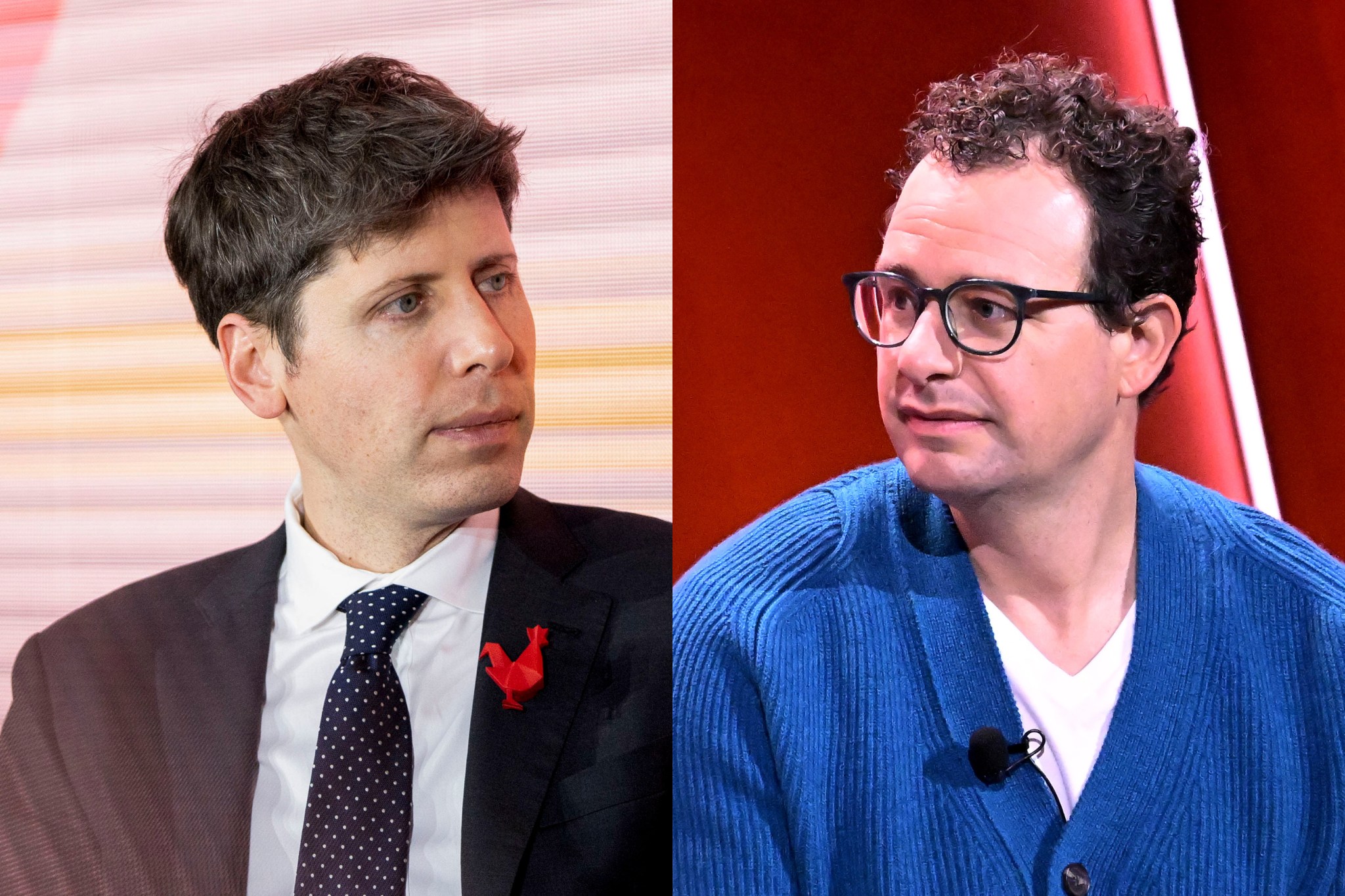
A public and bitter fight between the leaders of Anthropic and OpenAI has revealed a major problem in the world of artificial intelligence. While these companies often talk about keeping AI safe, their personal rivalries and a new dispute involving the Pentagon suggest that corporate competition is taking priority over safety. This conflict shows that the future of AI is currently controlled by a very small group of people whose personal disagreements could impact the rest of the world. As these companies move closer to government and military work, the promise of self-regulation is beginning to look weak.
Main Impact
The biggest impact of this feud is the breakdown of trust and cooperation between the two most important AI labs in the United States. For years, the public has been told that AI companies would work together to ensure that powerful technology does not cause harm. However, the recent exchange of insults and the fight over military contracts show that these companies are now in an all-out war for dominance. This shift means that safety rules are being changed or ignored so that one company can get ahead of the other. When safety becomes a secondary concern to winning a contract, the risk to the public increases.
Key Details
What Happened
The tension boiled over after OpenAI reached a deal to provide its technology to the Pentagon. Following this deal, the U.S. Secretary of War, Pete Hegseth, labeled Anthropic a "supply chain risk" because the company had not signed a similar agreement. This sparked a furious response from Anthropic’s CEO, Dario Amodei. In a leaked internal message to his employees, Amodei accused OpenAI and its leader, Sam Altman, of "gaslighting" and spreading "straight up lies." He claimed that OpenAI’s claims about safety were nothing more than "safety theater," meaning they are just for show and not actually effective.
Important Numbers and Facts
Several key events have led to this moment of high tension:
- 2023 Warning: AI expert Yoshua Bengio warned that having only a few companies control AI was the second-biggest risk facing the technology.
- 2024 Policy Shift: OpenAI removed its long-standing ban on using its AI for military and warfare purposes.
- Policy Change at Anthropic: Anthropic recently updated its rules to state it would no longer stop building a new model just because it didn't know how to make it safe yet.
- Staff Departures: Jan Leike, a top safety researcher, left OpenAI for Anthropic in 2024, claiming that OpenAI was prioritizing "shiny products" over safety culture.
Background and Context
To understand why this matters, it is important to know that there are very few laws governing AI right now. Most governments have not passed strict rules, so they rely on "voluntary commitments" from the companies themselves. This is called self-regulation. The idea is that companies like OpenAI and Anthropic will check each other's work and stay honest. However, this only works if the companies are willing to cooperate. Experts call the current situation "industrial capture," where a tiny group of corporate leaders and government officials hold all the power over a technology that could change everything about how we live and work.
Public or Industry Reaction
The industry reaction has been a mix of worry and fascination. Many people in the tech world have watched the "Silicon Valley soap opera" play out on social media and at public events. For example, a video of Sam Altman and Dario Amodei refusing to hold hands for a group photo with India's Prime Minister went viral, highlighting how deep the dislike goes. Critics argue that this behavior is unprofessional and dangerous. If the leaders of these companies cannot even stand next to each other, it is unlikely they will share vital safety information that could prevent a global disaster.
What This Means Going Forward
Moving forward, we can expect the race to build more powerful AI to move even faster. Because Anthropic and OpenAI are now fighting for government favor and military money, they are less likely to slow down for safety reasons. We may see more "safety theater" where companies talk about ethics but do not actually change their behavior. The next step for the government will be to decide if it can continue to trust these companies to regulate themselves or if it needs to step in with hard laws. The risk is that by the time laws are passed, the technology may already be out of control.
Final Take
The safety of artificial intelligence is too important to be left to the personal feelings and business rivalries of a few CEOs. When corporate leaders use safety as a weapon to attack their competitors, the term loses its meaning. True safety requires transparency and cooperation, two things that are currently missing from the relationship between the world's top AI labs. If the industry continues on this path, the public may find that the systems they rely on were built with more concern for winning a fight than for protecting people.
Frequently Asked Questions
Why are Anthropic and OpenAI fighting?
They are competing for market share and government contracts. The fight got worse after OpenAI signed a deal with the Pentagon and Anthropic was labeled a "risk" for not doing the same.
What is "safety theater"?
It is a term used to describe safety measures that look good to the public but do not actually make the technology any safer. It is often used to describe PR moves instead of real science.
Is the government regulating AI safety?
Currently, there are very few official laws. Most safety rules are voluntary, meaning companies choose to follow them but are not legally forced to do so.



