Summary
A new report from Ofcom shows that fewer adults in the UK are sharing their own content on social media. Instead of posting photos, life updates, or personal thoughts, more people are choosing to watch videos made by others. This change marks a major shift in how people use the internet, moving away from "social" networking and toward passive entertainment. Experts believe this trend is driven by the rise of short-form video apps like TikTok and a desire for more privacy.
Main Impact
The main impact of this trend is a change in the very nature of social media. For years, these platforms were places where friends and family talked to each other. Now, they are turning into something more like television. Because people are posting less, the "social" part of social media is moving into private group chats and direct messages. This makes it harder for businesses and creators to reach people through traditional posts, as the public feed is now filled with viral videos rather than updates from friends.
Key Details
What Happened
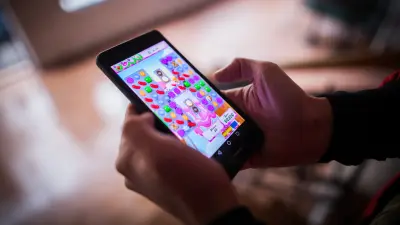
Ofcom, the UK’s communications regulator, tracks how people use digital services every year. Their latest findings show a clear drop in the number of people who actively post content. Many users now describe themselves as "lurkers." These are people who log in to scroll through their feeds and watch videos but never hit the "post" button themselves. This behavior is becoming the new normal for millions of adults across the country.
Important Numbers and Facts
The data shows that the percentage of adults who post personal updates has fallen significantly over the last few years. While almost everyone with a smartphone uses social media, only a small group is actually creating the content that everyone else sees. Short-form videos, usually lasting less than a minute, now take up the largest share of time spent online. Apps that focus on these videos have seen the most growth, while older platforms that rely on text and photo sharing are seeing less activity from their users.
Background and Context
In the early days of social media, sites like Facebook and Twitter were built for sharing what you were doing at that exact moment. People posted about their lunch, their holidays, and their daily thoughts. However, as these platforms grew, they became more crowded. Many users started to feel "post-anxiety," worrying about who might see their content or how many "likes" they would get. At the same time, apps like TikTok changed the game by using computer programs to show users entertaining videos from strangers instead of just posts from their friends.
This shift has changed user habits. People now go to social media to be entertained by professional creators or funny clips rather than to see what their high school friends are doing. This is why many experts now call these platforms "content platforms" instead of "social networks."
Public or Industry Reaction
Industry experts are watching this trend closely. Some say it is a good thing because it reduces the pressure on regular people to look perfect online. If you are just watching videos, you don't have to worry about being judged for your own life. However, some advertisers are worried. It is much harder to sell products to people who are just scrolling quickly through videos compared to people who are engaged in conversations with their friends.
On the other hand, many users say they feel safer this way. By not posting publicly, they avoid negative comments and keep their private lives away from big tech companies and strangers. They prefer sharing their personal news in small, private groups on apps like WhatsApp or Signal.
What This Means Going Forward
In the future, we can expect social media companies to change their apps even more to fit this new behavior. They will likely add more tools for watching videos and fewer tools that encourage public posting. We might see the "feed" as we know it disappear, replaced entirely by video streams chosen by an algorithm. For the average user, the internet will feel more like a giant, personalized TV station. For those who still want to stay social, the focus will continue to shift toward private messaging and smaller, invite-only communities.
Final Take
The era of sharing every detail of our lives with the public seems to be ending. As UK adults pull back from posting, social media is becoming a place to watch rather than a place to talk. This change shows that while we still want to be connected to the digital world, we are becoming much more careful about what we share with it.
Frequently Asked Questions
Why are people posting less on social media?
Many people feel more private now and do not want to share their personal lives with a large public audience. Others find it more fun to watch entertaining videos than to create their own posts.
What are "lurkers" in social media?
Lurkers are people who use social media apps to read news, look at photos, or watch videos but do not post, comment, or share anything themselves.
Is social media dying?
No, social media is not dying, but it is changing. People are spending just as much time online, but they are using that time to watch content rather than to talk to each other publicly.