
Summary
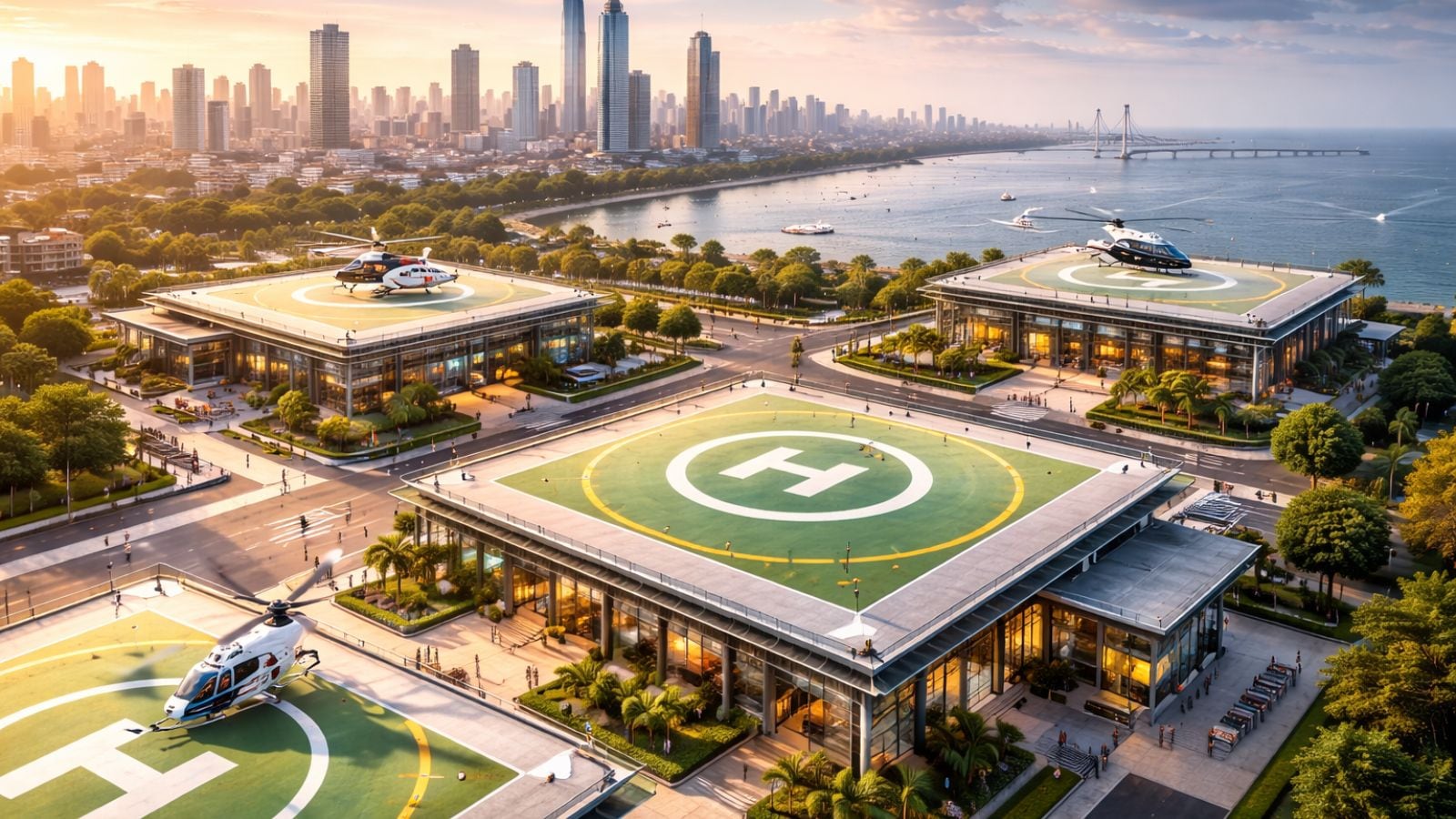
Mumbai is preparing for a major change in how people move across the city. Over the next six years, the government plans to build four new helipads in different parts of the city. This project aims to help people avoid heavy road traffic and provide faster travel for business and medical needs. By adding these landing spots, the city hopes to become better connected and more modern.
Main Impact
The biggest impact of this project will be on travel time. Mumbai is famous for its long traffic jams that can keep people stuck for hours. These new helipads will allow helicopters to fly over the traffic, making trips much shorter. This is not just for wealthy travelers; it is also a major win for the healthcare system. Faster travel through the air can help doctors move patients or organs for transplant surgeries much more quickly than an ambulance on the road.
Key Details
What Happened
The state government has decided to move forward with a plan to create a network of landing spots for helicopters. These sites will be placed in areas where they are needed most. The goal is to make sure that no matter where you are in the city, a landing spot is not too far away. This plan has been discussed for a long time, but now there is a clear timeline for when the work will be finished.
Important Numbers and Facts
The project is set to be completed within the next six years. A total of four new helipads will be built during this time. Each site must follow strict safety rules set by the groups that manage flying in India. The government will also need to work with local groups to make sure the noise from the helicopters does not cause too many problems for people living nearby. The project will likely involve both government money and help from private companies.
Background and Context
Mumbai is a very crowded city built on a narrow strip of land. Because it is surrounded by water on three sides, there is not much room to build new roads or widen old ones. Even with new train lines and bridges, the streets remain full of cars and buses. For many years, business leaders and medical experts have said that the city needs to use its airspace better. Other big cities around the world, like New York and Sao Paulo, use helicopters to help people get around quickly. Mumbai is now trying to follow that example to stay competitive as a global business center.
Public or Industry Reaction
Many people in the business world have welcomed this news. They believe that being able to fly across the city will help them get more work done and meet with more clients. Doctors and hospital managers are also very happy. They say that "air ambulances" are the future of emergency care in big cities. However, not everyone is excited. Some people who live in quiet neighborhoods are worried about the loud noise that helicopters make when they take off and land. The government has promised to look into these concerns and use the latest technology to keep the noise as low as possible.
What This Means Going Forward
In the future, these four helipads could be the start of something even bigger. There is talk of "air taxis" becoming a common way to travel in the next decade. If these first four sites work well, the city might build even more. This project will also create new jobs for pilots, mechanics, and people to manage the landing sites. It will require the city to update its rules for flying and make sure that the sky stays safe as more helicopters start to use it. The next six years will be a busy time for construction and planning as Mumbai looks upward to solve its transport problems.
Final Take
Building four new helipads is a bold move for Mumbai. It shows that the city is willing to try new things to fix its old traffic problems. While it will take several years to finish, the benefits for emergency health services and the local economy could be very large. If the city can balance the need for speed with the need for peace and quiet for its residents, this project will be a major success for everyone involved.
Frequently Asked Questions
Why does Mumbai need more helipads?
The city needs them to help people bypass heavy road traffic. They will be used for business travel and, more importantly, for medical emergencies where every minute counts.
Where will the new helipads be located?
The exact spots are still being finalized, but they will be spread out across the city. The plan is to have them near major business hubs and areas that are currently hard to reach quickly by car.
Will regular people be able to use these helipads?
While they are mostly for private helicopters and emergency services, they could eventually support "air taxi" services that might be available to more people in the future.



