
Summary
The Madras High Court recently ruled that it is not illegal for the Tamil Nadu government to post specialist doctors to Primary Health Centres (PHCs). Justice D. Bharatha Chakravarthy stated that the state has the authority to decide where medical professionals should serve, especially those completing their mandatory bond period. While the court supported the government's power, it also ordered that the details of these doctors and their work locations must be made public on an official website. This decision aims to balance the need for high-quality rural healthcare with the requirement for transparency in government postings.
Main Impact
This ruling has a significant impact on how healthcare is delivered in rural parts of Tamil Nadu. By allowing specialist doctors—those who have completed advanced degrees in areas like surgery, pediatrics, or gynecology—to work in basic health centers, the court is helping to bring expert care to people who live far from big cities. Usually, these specialists work in large hospitals, but this decision confirms they can be sent to small villages if the government deems it necessary. This move is expected to improve the quality of medical advice available at the grassroots level and ensure that government-funded education benefits the widest possible range of citizens.
Key Details
What Happened
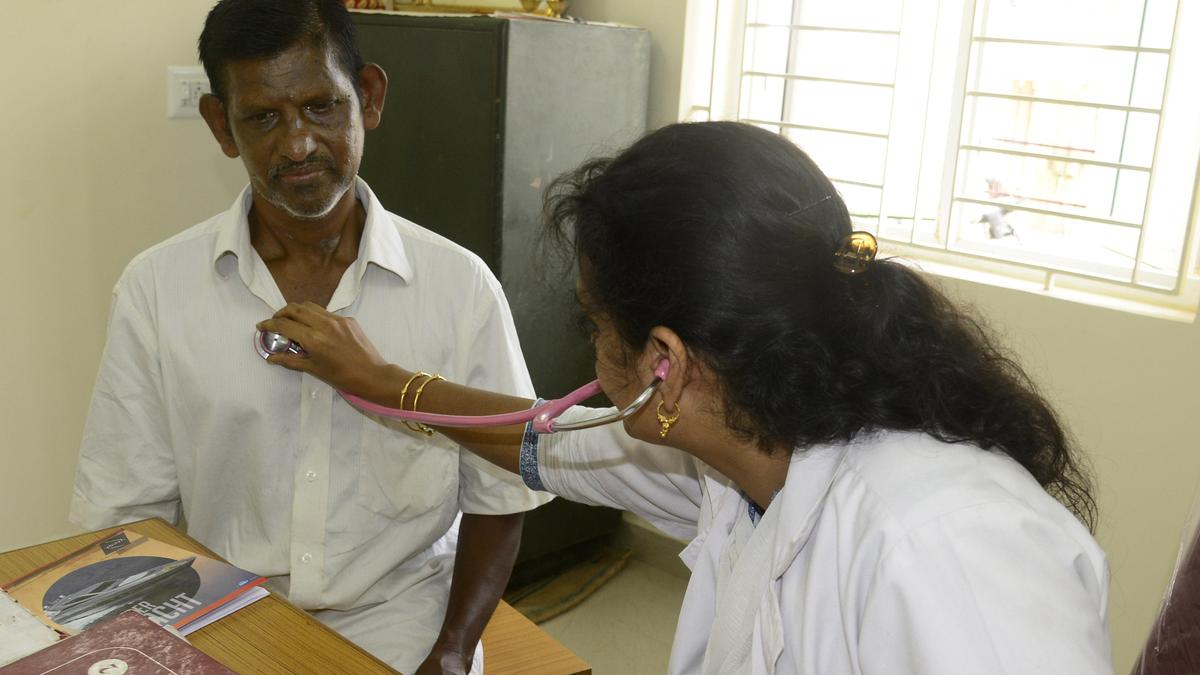
The case reached the Madras High Court after questions were raised about whether the government was right to send highly trained specialists to work in Primary Health Centres. These centers are usually meant for basic care and are often staffed by general doctors. Some argued that specialists should only work in large hospitals where their specific skills are used every day. However, the judge disagreed, noting that the government pays for the education of these doctors and has the right to use their skills where the public needs them most. The court made it clear that serving in a PHC is a valid part of a doctor's duty to the state.
Important Numbers and Facts
In Tamil Nadu, many doctors who get their postgraduate degrees in government colleges sign a bond. This bond is a legal agreement where the doctor promises to work for the state for a set number of years in exchange for receiving their education at a very low cost. The government spends a large amount of taxpayer money on each medical student. Because of this, the court ruled that the state can direct these doctors to serve in rural areas. To ensure this system is fair, the judge ordered the government to publish a list of all bond-service doctors. This list must show their names, their specialties, and exactly which health center they have been assigned to.
Background and Context
Primary Health Centres are the first place people go when they are sick in rural India. They are the backbone of the public health system. For a long time, these centers have faced a shortage of staff and expert care. Many people in villages have to travel long distances to cities just to see a specialist. The Tamil Nadu government has been trying to fix this by sending postgraduate doctors to these rural clinics. This policy often meets resistance from some doctors who prefer to stay in urban areas or work in large teaching hospitals. The court's role was to decide if the government’s policy followed the law or if it was an unfair use of power.
Public or Industry Reaction
The reaction to this ruling has been mixed. Health advocates and rural residents generally welcome the news, as it means better doctors will be available in local clinics. They believe that having a specialist nearby can save lives during emergencies. On the other hand, some members of the medical community are concerned. They worry that a specialist, such as a heart expert or a brain surgeon, might lose their advanced skills if they spend years treating common colds or basic infections in a small clinic. However, the court emphasized that the primary goal of the state is to provide health services to everyone, regardless of where they live.
What This Means Going Forward
Moving forward, the Tamil Nadu government must act quickly to update its website. The court wants a clear and transparent system where anyone can check if a doctor is actually working at their assigned post. This will help prevent "ghost postings," where a doctor is officially assigned to a village but never actually goes there. It also means that future medical students will have a clearer understanding of their career path. They will know that after finishing their studies, there is a strong chance they will spend time serving in a rural community. This ruling sets a precedent that public service is a mandatory part of government-funded medical training.
Final Take
The Madras High Court has sent a clear message that public health needs come before the personal preferences of medical professionals. By confirming that specialists can be sent to rural clinics, the court is supporting a more equal healthcare system. The new requirement for online transparency is a vital step toward making sure the government and doctors stay accountable to the people they serve. This decision ensures that the high cost of medical education results in real benefits for the most remote parts of the state.
Frequently Asked Questions
Can a specialist doctor refuse to work in a rural clinic?
According to the court ruling, if a doctor is under a bond agreement with the government, they must serve where they are posted. The state has the legal right to decide their place of work to ensure public health needs are met.
Why did the court order the government to put doctor details online?
The court wants to ensure transparency. By publishing the names and locations of bond-service doctors, the public can verify that these specialists are actually serving in the rural areas where they are needed.
What is a bond-service doctor?
A bond-service doctor is someone who received their medical education at a government college for a subsidized fee. In return, they signed a contract promising to work for the state's public health system for a specific period after graduation.



