
Summary
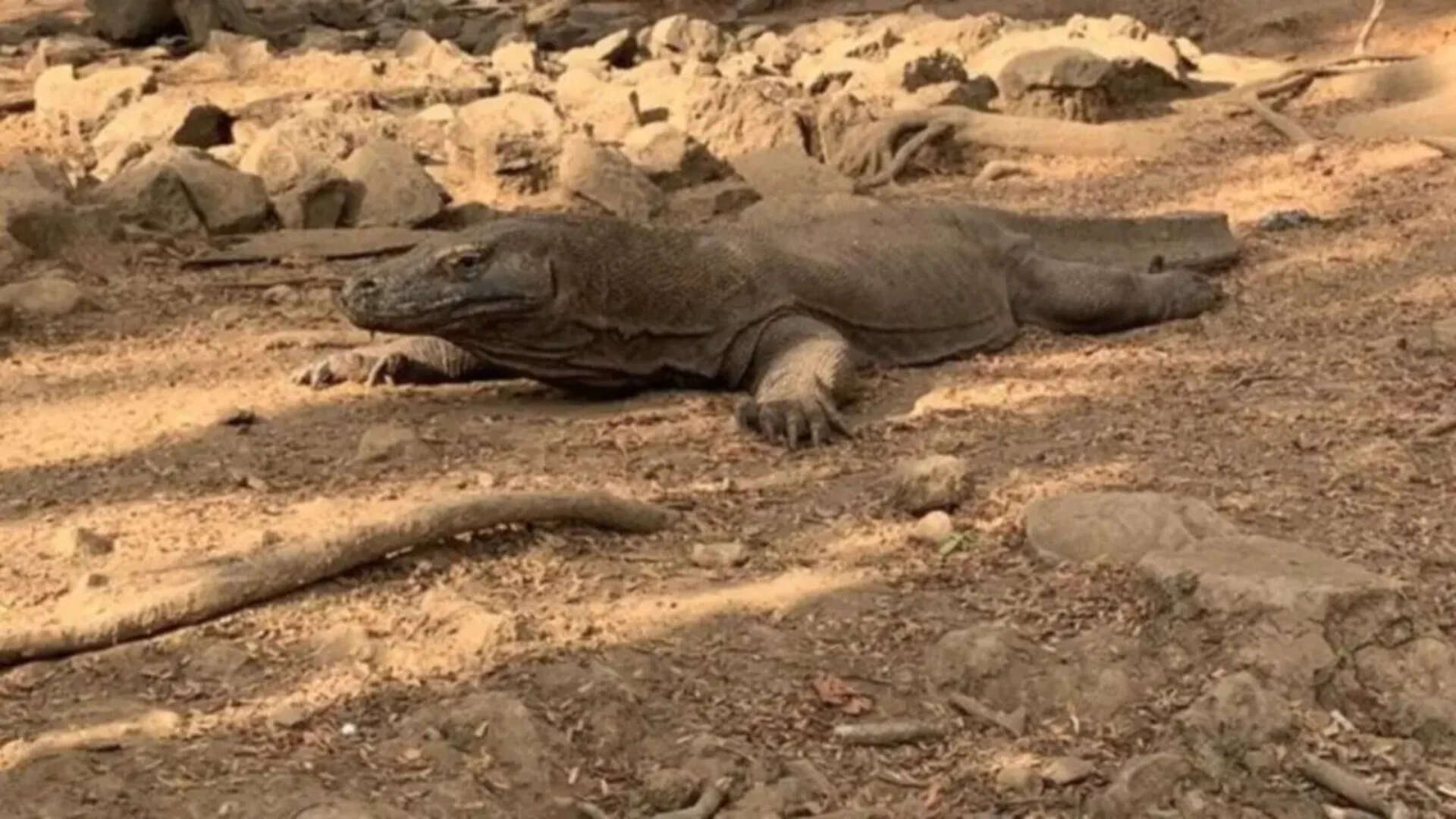
Indonesian police have arrested six individuals for their involvement in a plot to smuggle endangered Komodo dragons to Thailand. In a separate but related crackdown on wildlife crime, authorities also detained two suspects for transporting a massive haul of pangolin scales. These arrests highlight the ongoing struggle to protect Indonesia’s unique wildlife from international black markets. The operations show that local law enforcement is stepping up efforts to stop the illegal trade of protected species.
Main Impact
The arrest of these eight individuals marks a significant victory for conservation efforts in Southeast Asia. By stopping the shipment of Komodo dragons, police have prevented the loss of animals that are found nowhere else on Earth. The seizure of 140 kilograms of pangolin scales also disrupts a major supply chain for illegal animal parts. This crackdown sends a clear message to smuggling rings that Indonesia is monitoring its borders and ports more closely to protect its natural heritage.
Key Details
What Happened
On Wednesday, Indonesian authorities shared details about two major police operations. The first operation targeted a group of six people who were allegedly trying to move Komodo dragons out of the country. These rare lizards were destined for Thailand, which often serves as a hub for the illegal exotic pet trade. In the second operation, police caught two men who were moving a large quantity of pangolin scales. The scales were being transported from Riau, a province on the island of Sumatra, to the city of Surabaya on the island of Java.
Important Numbers and Facts
The scale of these crimes is concerning for environmental experts. In the pangolin case, police seized 140 kilograms of scales. Since pangolins are small animals, this amount of scales represents a very high number of dead animals. The Komodo dragon smuggling attempt involved six suspects, showing that these operations are often organized by groups rather than individuals. Komodo dragons are currently listed as an endangered species, with only a few thousand left in the wild, making every single animal vital for the survival of the species.
Background and Context
Indonesia is one of the most biodiverse countries in the world, meaning it has a huge variety of plants and animals. However, this also makes it a major target for wildlife traffickers. Komodo dragons are the world's largest lizards and live only on a few small islands in eastern Indonesia, mostly within the Komodo National Park. Because they are so rare and famous, they are highly prized by wealthy collectors in other countries.
Pangolins face a different kind of threat. They are often called the most trafficked mammals in the world. Their scales are made of keratin, the same material as human fingernails, but they are wrongly believed to have medicinal properties in some cultures. This high demand leads to thousands of pangolins being hunted and killed every year. Indonesia has strict laws to protect these animals, but the high prices offered on the black market continue to tempt smugglers.
Public or Industry Reaction
Conservation groups have praised the police for these arrests. Many experts believe that stopping the trade at the source is the best way to save endangered species. However, there is also a call for more international cooperation. Since the Komodo dragons were headed for Thailand, activists say that countries must work together to catch the buyers, not just the people moving the animals. Local communities in Indonesia are also being encouraged to help by reporting suspicious activity near national parks and shipping ports.
What This Means Going Forward
The legal process for the eight suspects will now begin, and they could face several years in prison if convicted. Indonesian law provides for jail time and heavy fines for those caught trading in protected wildlife. Moving forward, the government is expected to increase patrols in known smuggling routes, such as the path from Riau to Surabaya. There is also a push to use better technology, like X-ray scanners and trained dogs, at airports and sea ports to find hidden animal parts before they leave the country.
Final Take
Protecting endangered animals is a difficult task that requires constant effort. While these arrests are a positive step, the demand for exotic pets and traditional medicine parts remains high. Indonesia’s commitment to catching smugglers is essential for the survival of the Komodo dragon and the pangolin. Only through strict law enforcement and public education can the world ensure these unique creatures do not disappear forever.
Frequently Asked Questions
Why are Komodo dragons protected?
Komodo dragons are protected because they are endangered and only live in a very small area of Indonesia. Without protection, they could easily become extinct due to hunting and habitat loss.
What are pangolin scales used for?
Pangolin scales are often used in traditional medicine in some parts of Asia. However, there is no scientific evidence that they have any real health benefits.
What happens to people caught smuggling wildlife in Indonesia?
People caught smuggling protected animals in Indonesia can face long prison sentences and very expensive fines under the country's conservation laws.

