
Summary
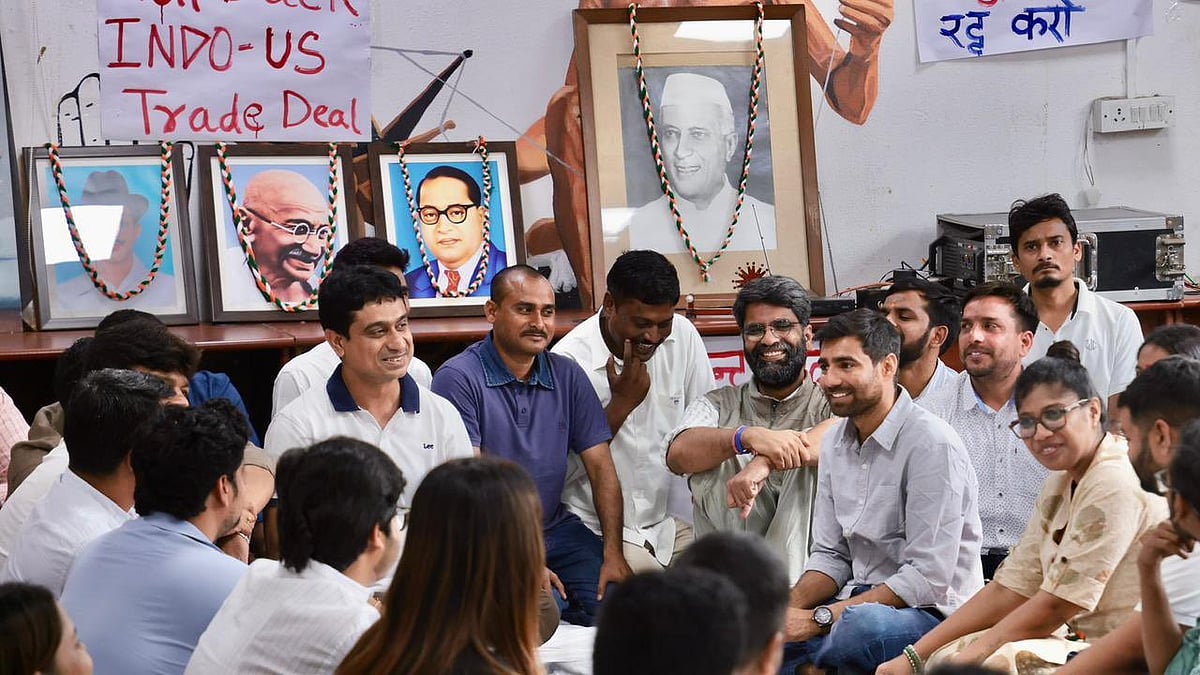
The Indian Youth Congress (IYC) has raised serious concerns regarding the treatment of its members following a recent protest at an AI Summit. The group claims that its workers faced harassment and detention after speaking out against a proposed trade agreement between India and the United States. According to the IYC leadership, this trade deal could harm local industries and compromise the nation's digital data. The organization is now calling for a fair review of the agreement to protect the interests of Indian citizens.
Main Impact
The primary impact of this development is a growing tension between political activists and the government over international trade policies. The IYC argues that the current deal with the U.S. was made in a way that puts India at a disadvantage. By highlighting these issues, the group aims to bring public attention to how global agreements can affect local jobs and national security. The legal battle following the protests also highlights concerns about the right to demonstrate and the use of police force against political groups.
Key Details
What Happened
During the recent AI Summit, members of the Indian Youth Congress organized a demonstration to voice their opposition to a new trade deal. Following the event, several members were taken into custody by the police. Uday Bhanu Chib, the national president of the IYC, stated in a press conference that these members were subjected to pressure and unfair treatment while in detention. He noted that although many have been released on bail, the experience has been difficult for the workers and their families.
Important Numbers and Facts
The press conference took place on March 20, 2026, in Delhi. A key figure in the movement, Manish Sharma, who serves as the IYC national in-charge, recently received anticipatory bail from the courts. The IYC claims that the trade deal could lead to the transfer of massive amounts of Indian data to the U.S. without any cost. They also warned that the textile and farming sectors, which employ millions of people, are at high risk if the deal goes through in its current form.
Background and Context
Trade deals are agreements between countries that set the rules for buying and selling goods and services across borders. While these deals can help the economy grow, they can also create challenges for local businesses that may not be able to compete with foreign companies. In this case, the IYC is worried about "data sovereignty." This term refers to the idea that a country should have control over the data generated within its borders. If a trade deal allows another country to take this data for free, it could lead to a loss of privacy and economic power for India.
The AI Summit was a major event where leaders discussed the future of technology. The IYC chose this venue to protest because they believe technology and data are the most valuable assets India has today. They feel that the government is giving away too much in exchange for the trade agreement with the United States.
Public or Industry Reaction
The reaction from the IYC has been one of strong defiance. Manish Sharma told reporters that the government is trying to make peaceful protests look like criminal acts. He mentioned that the police reports filed against the protesters do not match what actually happened on the ground. Furthermore, there are reports that the homes of some workers were raided, which the IYC describes as a tactic to scare people away from joining future protests.
On the legal side, the granting of bail to Manish Sharma is seen by the IYC as a victory. They believe it shows that the legal system still protects the right to disagree with the government. However, industry experts are divided. Some believe the trade deal is necessary for India to stay competitive in the global market, while others agree with the IYC that more protections are needed for farmers and small business owners.
What This Means Going Forward
Looking ahead, the IYC has made it clear that they will not stop their opposition. They plan to continue raising awareness about the risks of the trade deal. This could lead to more protests and public debates in the coming months. The government may face pressure to release more details about the agreement to prove that it is not "one-sided" as the critics claim.
For the average citizen, this situation highlights the importance of how national data is handled. As technology becomes a bigger part of daily life, the rules governing who owns and uses our information will become even more important. The outcome of this political struggle could set a standard for how India handles future trade deals with other powerful nations.
Final Take
The dispute between the Indian Youth Congress and the government shows the complex nature of modern trade. While international partnerships are important, they must not come at the cost of local industries or national data security. The allegations of harassment against protesters serve as a reminder that the right to speak out remains a vital part of a healthy society. Moving forward, a transparent discussion about the benefits and risks of the U.S. trade deal will be necessary to ensure that the interests of all Indian citizens are protected.
Frequently Asked Questions
Why is the Indian Youth Congress protesting the trade deal?
The IYC believes the deal is one-sided and could hurt India's farming and textile sectors. They are also worried that the deal allows the United States to take India's digital data for free.
What happened to the protesters after the AI Summit?
Many members were detained and allegedly harassed by authorities. Some faced home raids, though several leaders have since been granted bail by the courts.
What is data sovereignty and why does it matter?
Data sovereignty is the idea that a country should control the data created by its people. It matters because data is a valuable resource used for technology and business, and losing control of it can hurt a nation's economy and privacy.

