
Summary
Blue Origin launched its New Glenn rocket for the third time on April 19, 2026. The mission was a mix of a major technical success and a disappointing failure. While the company successfully reused a rocket booster for the first time and landed it on a ship at sea, the satellite on board did not reach its correct path around Earth. This event is a significant moment for the company as it tries to prove it can compete with other major space firms like SpaceX.
Main Impact
The primary issue from this launch is that the satellite ended up in what experts call an "off-nominal orbit." This means the satellite is in the wrong place in space. While the satellite has power and is communicating with teams on the ground, being in the wrong orbit can make it difficult or impossible to complete its mission. This mistake is a blow to Blue Origin’s reputation. The company is trying to show the world that it is a reliable alternative to SpaceX, but technical errors like this can make customers nervous about using their services.
Key Details
What Happened
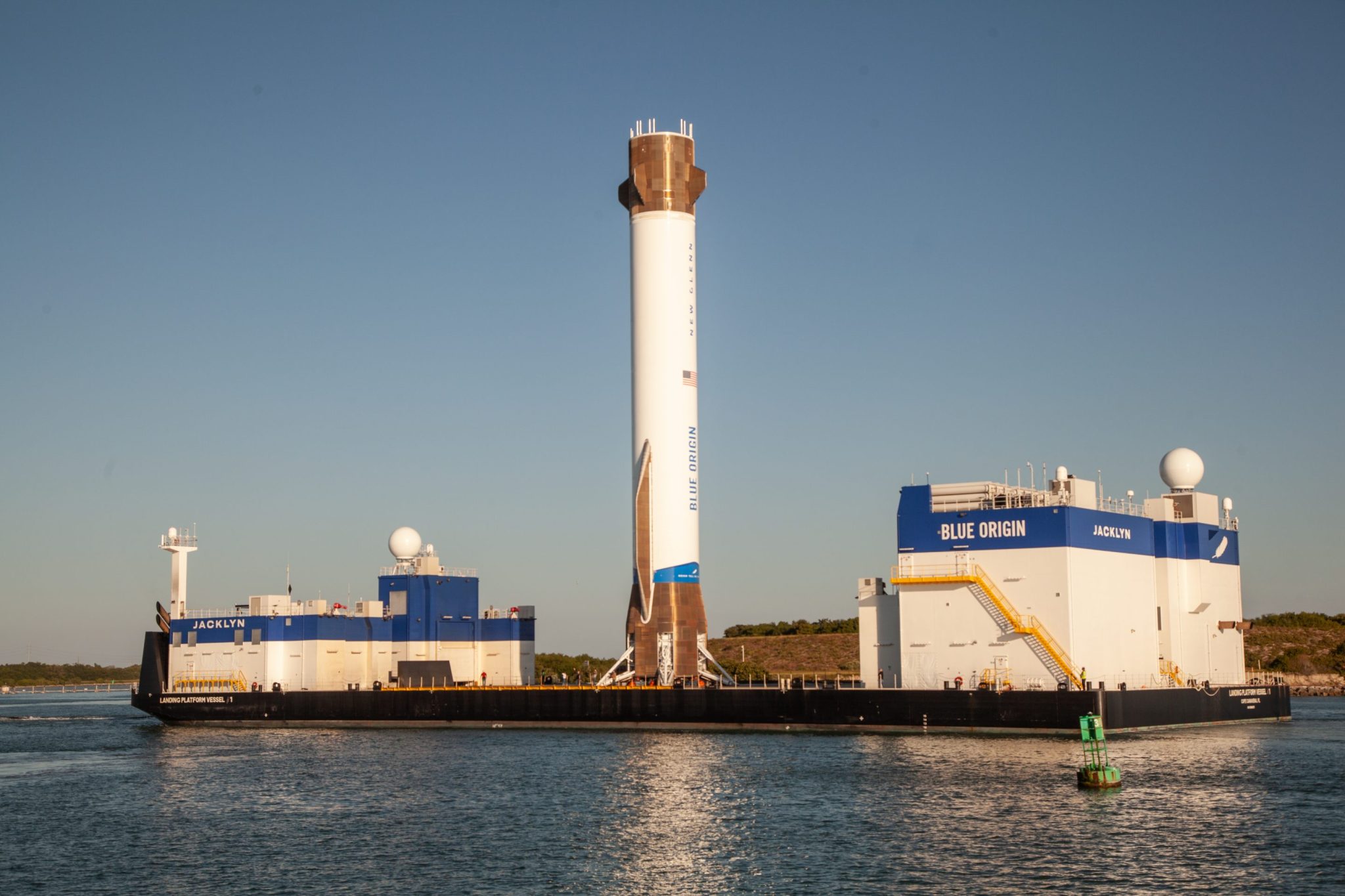
The New Glenn rocket took off from Cape Canaveral, Florida, at 7:25 a.m. local time. Everything seemed to go well at first. About ten minutes after launch, the first stage of the rocket—the large bottom part that provides the initial push—returned to Earth. It landed vertically on a landing platform in the Atlantic Ocean. This was a big win because it was the first time Blue Origin used a booster that had flown before. However, the trouble started later when the second stage of the rocket was supposed to release the satellite into a specific spot. Instead of reaching the target, the satellite was left in the wrong area.
Important Numbers and Facts
This was only the third flight for the New Glenn rocket. Blue Origin’s CEO, Dave Limp, recently stated that the company wants to launch between eight and 12 missions this year. This is a very high goal, considering they only managed two launches in all of 2025. The satellite on board belonged to a company called AST SpaceMobile. This Texas-based firm has big plans to launch 60 satellites this year to provide internet and phone service from space. Before this launch, they only had seven satellites in orbit, so losing or having issues with even one is a significant delay for them.
Background and Context
New Glenn is a massive rocket designed to carry very heavy loads into space. It is the centerpiece of Blue Origin’s plan to make space travel cheaper and more common. For years, the company has been working to catch up with SpaceX, which currently leads the industry in reusing rockets. Reusing the booster is the most important way to save money in the space business. If a company can fly the same rocket many times, the cost of each mission drops. Blue Origin has faced many delays with New Glenn over the years, and this mission was supposed to show that the rocket is finally ready for regular work.
Public or Industry Reaction
Blue Origin shared the news of the orbit issue on social media, stating they are currently looking into what happened. AST SpaceMobile is also working to see if they can move the satellite into the right spot using its own small engines. People who follow the space industry have mixed feelings. On one hand, landing the booster is a very hard thing to do, and Blue Origin proved they can do it. On the other hand, the main job of a rocket is to put the cargo exactly where it needs to go. If the rocket cannot do that reliably, the successful landing matters much less to the customers paying for the launch.
What This Means Going Forward
Blue Origin has a lot of work to do to stay on schedule. They are currently in a race with SpaceX to build a lander that can put NASA astronauts on the moon by 2028. They are also planning to launch their own network of satellites and build data centers that stay in orbit. To achieve these goals, they need the New Glenn rocket to work perfectly every time. This recent issue might force the company to slow down and check their systems, which could make it harder to reach their goal of 12 launches this year. Additionally, they recently paused their space tourism flights to focus all their energy on these bigger projects.
Final Take
Landing a used rocket booster is a technical triumph that very few have achieved. However, the failure to deliver the satellite to the correct orbit shows that Blue Origin still has hurdles to clear. To truly challenge the leaders of the space industry, the company must prove that New Glenn is not just a powerful machine, but a precise one. The coming months will show if they can fix these errors and keep up with the high demand for space travel.
Frequently Asked Questions
What is the New Glenn rocket?
New Glenn is a large, reusable rocket built by Blue Origin. It is designed to carry heavy satellites and equipment into space more affordably by using parts that can fly multiple times.
What does "off-nominal orbit" mean?
This is a term used when a satellite is not in the specific path or height above Earth that was planned. It can make the satellite less useful or require it to use up its fuel to move to the right spot.
Why is reusing rocket boosters important?
Reusing boosters is important because it significantly lowers the cost of going to space. Instead of building a new multimillion-dollar rocket for every trip, companies can clean and refuel the ones they already have.



