Summary
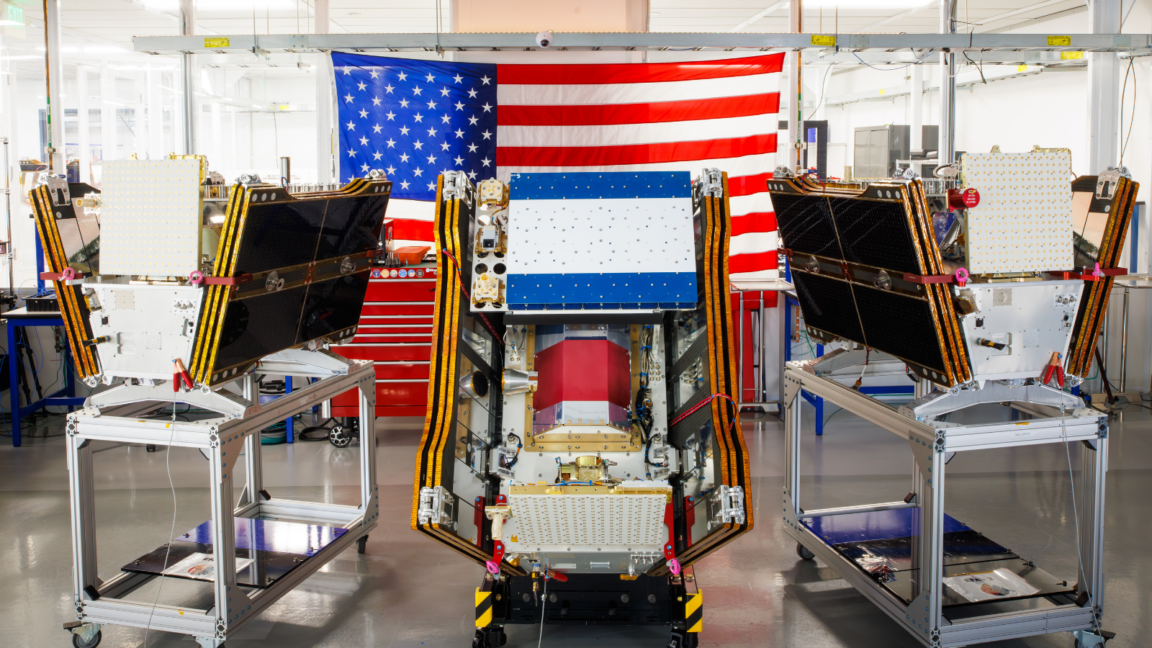
Three new satellites designed to detect wildfires have launched into space. The FireSat program, backed by Google, aims to spot small fires before they grow large. This comes as heavy smoke from hundreds of wildfires continues to affect air quality across the United States and Canada. The satellites will start providing data to fire agencies later this year.
Main Impact
The launch of these satellites marks a major step in fighting wildfires. For the first time, a group of satellites is built only for finding fires. They can see small fires that other satellites often miss. This means firefighters could get warnings much faster. The goal is to catch fires when they are still small and easier to control. This could save lives, property, and reduce the amount of smoke that chokes large areas.
Key Details
What Happened
On July 7, 2026, a SpaceX Falcon 9 rocket lifted off from Vandenberg Space Force Base in California. It carried three small satellites into orbit. These are the first working satellites in the FireSat program. The program is run by a nonprofit group called Earth Fire Alliance. After a three-month testing period, the satellites will start sending data to fire agencies. They will cover every area on Earth that is at risk of wildfires at least two times each day.
Important Numbers and Facts
Google has given more than $15 million to support the first launch of the FireSat satellites. The Bezos Earth Fund has also committed $26 million to the project. The satellites were built by Muon Space, a company based in California. The FireSat constellation is the first group of satellites made only for detecting wildfires. The satellites will begin active service before the end of 2026. They will focus on fire-prone regions in the United States, Australia, and Europe.
Background and Context
Wildfires have become a growing problem in many parts of the world. In recent years, huge fires have burned millions of acres in the US and Canada. These fires produce thick smoke that can travel thousands of miles, causing health problems for millions of people. Current satellites can spot large fires, but they often miss smaller ones. By the time a fire is big enough for these satellites to see, it may already be out of control. The FireSat program is designed to fill this gap. It uses special sensors and software to find fires when they are still small. This gives firefighters a better chance to stop them early.
Public or Industry Reaction
Fire agencies and environmental groups have welcomed the launch. Many experts say that better detection is a key part of fighting wildfires. The timing of the launch is notable because large parts of North America are currently covered in smoke from hundreds of fires. This has made the need for better fire detection tools very clear. Supporters of the project hope that the data from FireSat will help reduce the size and damage of future wildfires.
What This Means Going Forward
The FireSat program is still in its early stages. Three satellites are now in orbit, but the full plan calls for many more. If the system works as expected, it could change how wildfires are managed. Faster detection means faster response. This could lead to fewer large fires and less smoke. However, the system is not a complete solution. Firefighters will still need resources on the ground to fight the fires once they are found. The success of FireSat will depend on how well the data is used by fire agencies. The next few months will be important as the satellites go through testing and begin their work.
Final Take
The launch of the FireSat satellites is a promising development in the fight against wildfires. By spotting small fires early, the system could help prevent them from becoming disasters. The support from Google and the Bezos Earth Fund shows that there is strong interest in using technology to solve this problem. While the satellites are not a cure-all, they are a valuable new tool. The coming months will show how much of a difference they can make.
Frequently Asked Questions
How do the FireSat satellites detect wildfires?
The satellites use special sensors that can see heat from small fires on the ground. They are designed to spot fires that are much smaller than what other satellites can detect. The data is then sent to fire agencies so they can respond quickly.
When will the FireSat satellites start working?
The three satellites launched on July 7, 2026. They will go through a three-month testing period. After that, they will begin actively providing data to fire agencies. This means they should be fully operational before the end of 2026.
Who is paying for the FireSat program?
The program is run by the nonprofit Earth Fire Alliance. Google has contributed more than $15 million to support the initial launch. The Bezos Earth Fund has also committed $26 million. The satellites were built by Muon Space, a company based in California.