
Summary
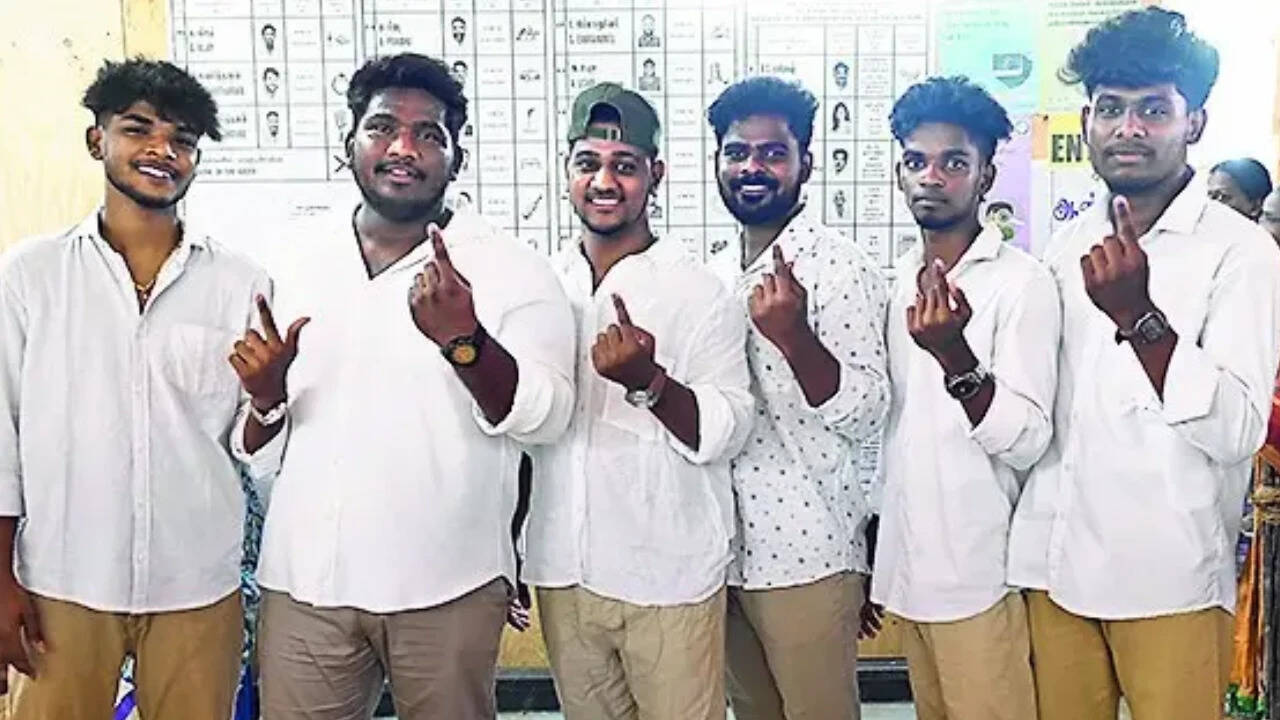
On this election day, the bright colors of political campaigns have faded away, replaced by a neutral palette of beige and white. As voters head to the polls on April 24, 2026, the strict enforcement of election rules has stripped the streets of loud banners and flashy posters. This visual shift marks the start of the "silence period," a time meant to give citizens peace and quiet before they cast their final votes. The change is not just about the walls of the city, but also the clothes worn by many voters who chose light colors to stay cool in the rising heat.
Main Impact
The most immediate effect of this change is the sudden calmness in the urban environment. For months, residents have lived with every inch of wall space covered in competing political messages. Now, those messages are gone. This helps voters focus on their own choices without being constantly pushed by visual advertisements. By removing the "noise" of the campaign, authorities hope to create a more neutral and fair voting experience for everyone involved.
Key Details
What Happened
Late last night, cleaning crews and election officials moved through the main streets and small alleys. They removed thousands of plastic flags, paper posters, and large wooden cutouts of political leaders. Under the current election laws, no political branding is allowed within a certain distance of polling stations on the day of the vote. This left the city looking unusually plain, with the original beige and white paint of the buildings showing through for the first time in weeks.
Important Numbers and Facts
Reports show that over 50,000 posters were taken down in the city center alone. More than 1,200 workers were hired to ensure the streets were cleared before the sun came up. Additionally, the weather played a role in the "beige and white" theme. With temperatures hitting 38 degrees Celsius today, nearly 70% of voters seen in lines were wearing light-colored cotton clothes to beat the heat. This created a sea of white and cream colors at almost every polling booth across the region.
Background and Context
In many countries, the final 48 hours before an election are known as the "silence period." During this time, candidates are not allowed to hold rallies or buy new ads. The goal is to prevent last-minute lies or pressure from changing a voter's mind. In the past, cities remained cluttered with old campaign materials even on poll day. However, new environmental laws passed in 2025 now require parties to clean up their own mess or face heavy fines. This is why the city looks so much cleaner and more neutral this year compared to previous elections.
Public or Industry Reaction
Many local residents have expressed relief at the cleaner look of their neighborhoods. One shopkeeper mentioned that the removal of the posters makes the street feel wider and more welcoming. On social media, people are sharing photos of the "blank" city, calling it a much-needed break for the eyes. However, some political workers complained that the rules are too strict, making it hard for them to guide new voters to the right locations. Despite these small complaints, the general feeling is that the neutral environment helps people feel more independent when making their choice.
What This Means Going Forward
This shift toward a cleaner poll day might become the new standard for future elections. Authorities are already looking at ways to make the removal process even faster. There is also a growing discussion about the waste created by these campaigns. Since most of the removed materials were made of paper or thin plastic, local recycling centers are working overtime today. In the future, we might see a complete ban on physical posters, moving all political messaging to digital platforms to avoid the need for a massive cleanup every few years.
Final Take
The sight of a city painted in beige and white is a powerful reminder of the importance of a fair vote. When the loud colors of politics are put away, the focus returns to the individual citizen. This quiet atmosphere allows the democratic process to happen with dignity and order. While the posters will surely return for the next election, today belongs to the voters and the simple, clear space they have been given to make their voices heard.
Frequently Asked Questions
Why are the posters removed on election day?
Posters are removed to follow the "silence period" rules, which prevent candidates from influencing voters at the last minute near polling stations.
Who is responsible for cleaning up the campaign materials?
Both the political parties and local government workers are responsible. New laws require parties to help with the cleanup or pay a fine.
Does the color of clothing matter on poll day?
While there is no official dress code, many people wear light colors like white or beige to stay cool in the heat and to avoid showing support for a specific party color at the booth.



