
Summary
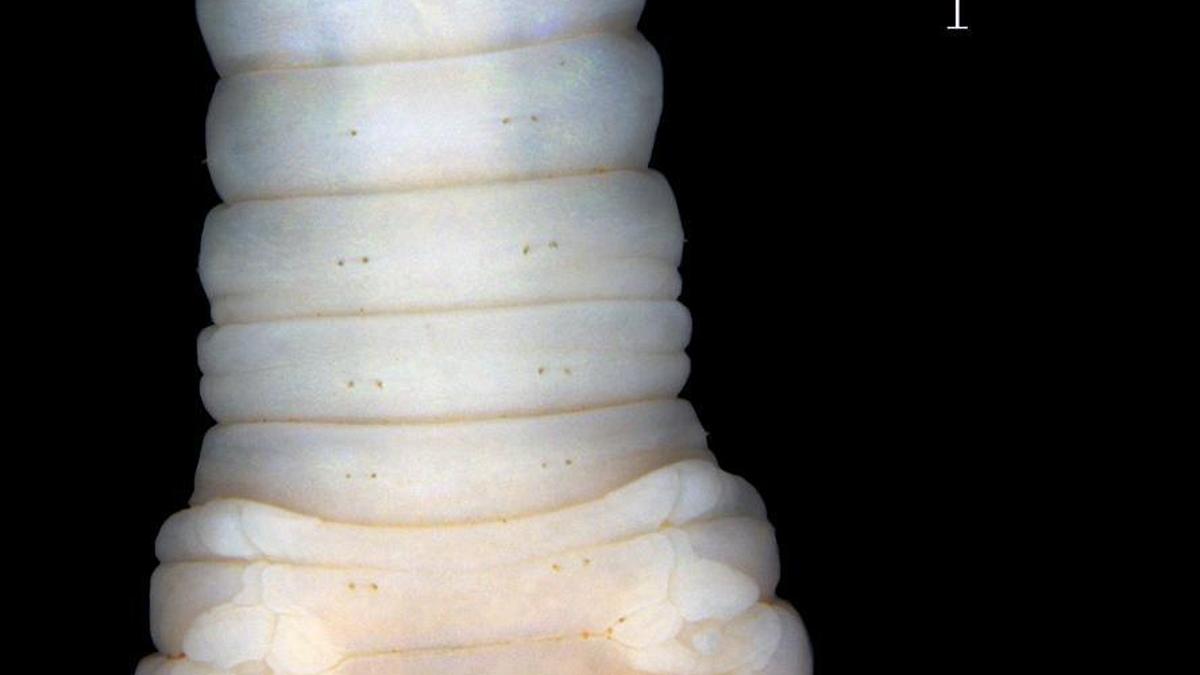
Scientists have identified a new species of earthworm in the Western Ghats, a mountain range known for its vast variety of plants and animals. This discovery highlights the incredible biological wealth hidden within the soil of this region. While the find is a positive step for science, experts are raising alarms about the survival of these creatures. The main threats to their existence include the destruction of their natural homes and the changing way land is used for human activities.
Main Impact
The discovery of a new earthworm species is more than just a scientific curiosity. It serves as a reminder of how much we still do not know about the environment. Earthworms play a vital role in keeping the earth healthy. They are often called nature's engineers because they move through the soil, creating tunnels that allow air and water to reach the roots of plants. By finding a new species, researchers can better understand how different types of worms contribute to the local food chain and soil quality.
However, the impact of this news is balanced by a serious warning. The Western Ghats is under heavy pressure from development. If these small but important animals lose their habitats, the entire farming and forest system in the region could suffer. Healthy soil is the foundation of life, and without these worms, the land becomes less fertile and more prone to damage.
Key Details
What Happened
Researchers working in the dense forests of the Western Ghats found a type of earthworm that did not match any known records. After careful study, they confirmed it was a new species. This process involves looking at the physical structure of the worm and sometimes checking its genetic makeup. The discovery shows that even in areas that have been studied for a long time, there are still many secrets left to find beneath the surface of the earth.
Important Numbers and Facts
The Western Ghats is a massive mountain range that stretches for about 1,600 kilometers along the western coast of India. It is recognized globally as a biodiversity hotspot, meaning it has a high number of species that are not found anywhere else in the world. Experts estimate that hundreds of different earthworm species live in this region alone. Unfortunately, large portions of the original forest have been cleared over the last few decades to make room for roads, buildings, and large-scale farming.
Background and Context
To understand why this discovery matters, it is important to know what earthworms do for the planet. They eat dead leaves and other organic matter, breaking them down into rich nutrients that help plants grow. This process is called nutrient cycling. Their movement also prevents the soil from becoming too packed down, which helps prevent floods by allowing rainwater to soak into the ground.
The Western Ghats is a UNESCO World Heritage site, but it faces many challenges. As the human population grows, more land is needed for houses and food. This often leads to "habitat transformation." This is a process where a natural forest is turned into something else, like a tea plantation or a rubber farm. While the land might still look green, the specific conditions that native earthworms need to survive are often lost in the process.
Public or Industry Reaction
Environmental groups have welcomed the news of the new species but are using the moment to call for stronger protection laws. Many scientists believe that we are losing species faster than we can discover them. They argue that the focus of conservation should not just be on large animals like tigers or elephants, but also on the smaller organisms that keep the ecosystem running.
Agricultural experts are also paying attention. In many parts of India, soil health is declining because of the heavy use of chemicals and the loss of natural life in the dirt. Farmers are beginning to realize that protecting native earthworms is a practical way to keep their land productive for future generations. There is a growing movement to reduce the use of harsh pesticides that can kill these beneficial worms.
What This Means Going Forward
The next steps involve more than just naming the new species. Scientists want to map out where these worms live to identify "high-risk" zones. If a specific type of worm only lives in one small valley, a single construction project could wipe out the entire species. This makes local conservation efforts extremely important.
Governments and local authorities will need to balance economic growth with nature protection. This might include creating "green corridors" where nature is left untouched, even in areas used for farming. There is also a need for more education. Many people do not realize how important earthworms are, and teaching the public about soil health could lead to better land management practices across the country.
Final Take
Finding a new species in the Western Ghats is a sign of the region's incredible natural strength, but it is also a call to action. We must recognize that the health of our forests and farms depends on the tiny creatures living under the soil. Protecting their home is not just about saving a worm; it is about protecting the water, the food, and the environment that humans rely on every day. If we continue to destroy these habitats, we risk losing the very things that keep our planet alive.
Frequently Asked Questions
Why is the Western Ghats important for biodiversity?
The Western Ghats is a mountain range in India that is home to thousands of species of plants and animals, many of which are found nowhere else. It helps regulate the weather and provides water to millions of people.
How do earthworms help the environment?
Earthworms improve soil health by breaking down organic waste into nutrients and creating tunnels that allow air and water to reach plant roots. This makes the land more fertile and helps prevent erosion.
What is the biggest threat to new species in this region?
The biggest threats are habitat destruction and land transformation. When forests are cleared for buildings or changed into large farms, the specific environment that these species need to survive is destroyed.



