
Summary
The Defence Research and Development Organisation (DRDO) has introduced a new series of advanced armored vehicles designed to support Indian military operations. These vehicles are built to handle some of the toughest environments in the world, including the high-altitude mountains of Ladakh, hot deserts, and areas with many rivers. By creating these machines locally, India is strengthening its border security and reducing its need to buy military equipment from other countries. This development ensures that soldiers have better protection and mobility while performing their duties in difficult locations.
Main Impact
The arrival of these new armored vehicles changes how the Indian Army can move and fight in varied terrains. In the past, moving heavy equipment through the thin air of the Himalayas or the soft sands of the desert was a major challenge. These new platforms are designed to overcome those specific obstacles. The main impact is a significant boost in "combat support," which means the army can now move troops, weapons, and supplies much faster and more safely than before. This gives India a stronger position during border standoffs and ensures that soldiers are not left vulnerable in harsh weather or rough ground.
Key Details
What Happened
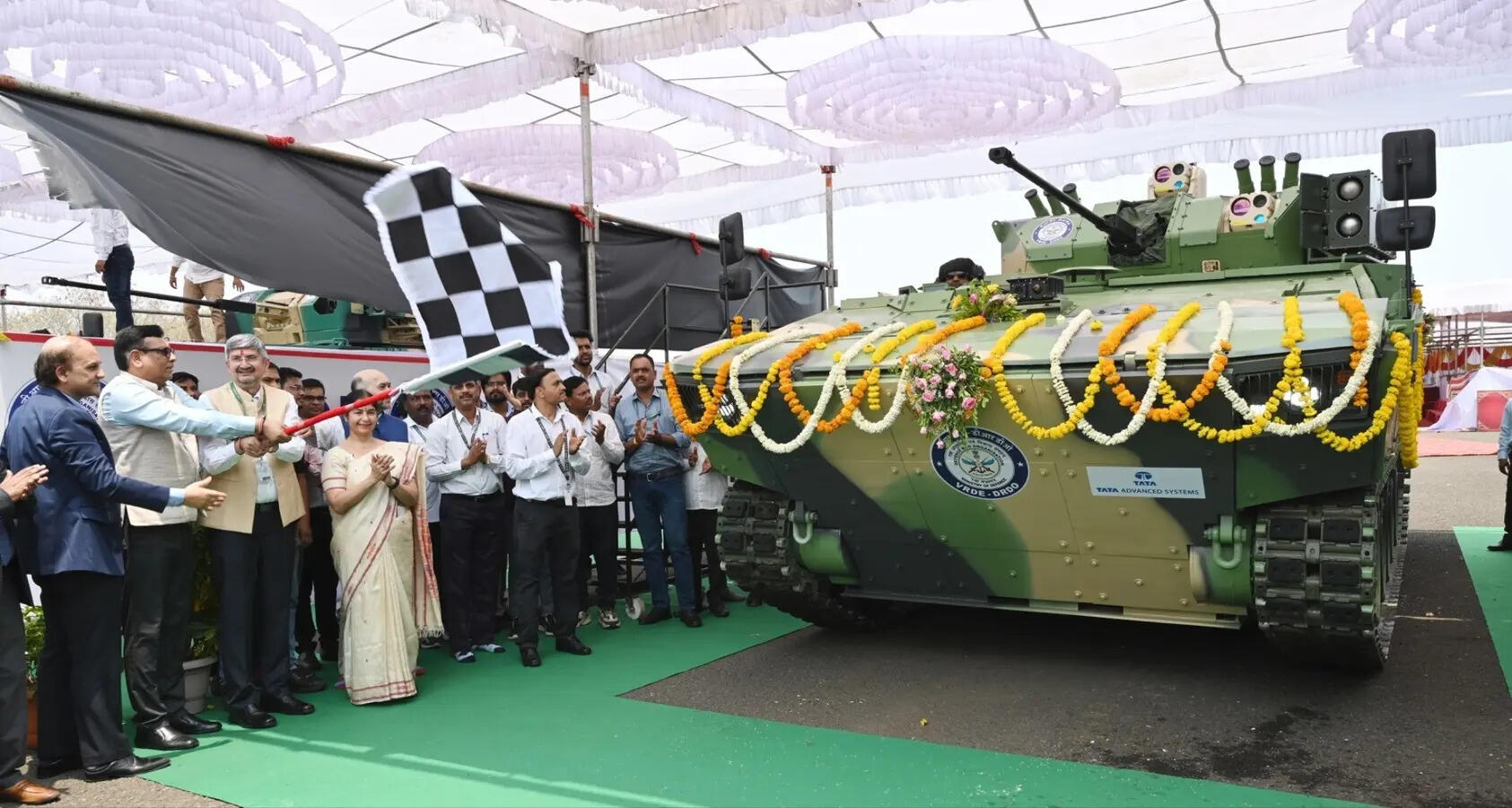
DRDO, working with various industry partners, has developed and tested several types of armored platforms. The most notable among these is the Wheeled Armoured Platform, often called the WhAP. Unlike older tanks that use tracks, these vehicles use wheels, which allows them to move quickly on paved roads while still being able to drive over rocks and mud. These vehicles were recently shown to the public to highlight India's growing ability to build high-tech defense tools on its own soil.
Important Numbers and Facts
The new vehicles come with several impressive features. The WhAP is an 8x8 vehicle, meaning all eight wheels receive power from the engine for maximum grip. It can carry a full squad of 10 to 12 soldiers along with their gear. One of the most important facts is its amphibious ability, which allows it to drive straight into a river and swim across at speeds of about 8 to 10 kilometers per hour. On land, these vehicles can reach speeds of up to 100 kilometers per hour on highways. They are also fitted with modular armor, which can be changed depending on how much protection the mission requires.
Background and Context
For many years, India relied on equipment designed in other countries, such as Russia or European nations. However, these vehicles were not always perfect for India's unique geography. For example, an engine that works well in Europe might struggle to start in the freezing, low-oxygen air of Ladakh. Similarly, a heavy tank might get stuck in the wet, marshy ground near rivers. DRDO focused on solving these problems by building vehicles specifically for the Indian environment. This effort is part of a larger national goal called "Atmanirbhar Bharat," which aims to make India self-reliant in many areas, especially national defense.
Public or Industry Reaction
Defense experts and military leaders have welcomed these new vehicles. They point out that having a wheeled platform is much cheaper to maintain than tracked vehicles. Industry leaders are also excited because these projects involve private Indian companies in the manufacturing process. This creates jobs and helps local factories learn how to build world-class military technology. Many people see this as a proud moment for the country, as it shows that Indian engineers can compete with the best in the world.
What This Means Going Forward
Looking ahead, the Indian Army is expected to order hundreds of these vehicles to replace older models. We will likely see these machines stationed permanently along the borders in Eastern Ladakh and the deserts of Rajasthan. There is also a possibility that India could sell these vehicles to other countries in the future. Because they are designed to be tough and versatile, other nations with similar terrains might want to buy them. This would help India become a major exporter of defense technology, not just a buyer.
Final Take
The creation of these advanced armored vehicles is a major win for India's security. By focusing on the specific needs of the Indian soldier, DRDO has built a tool that is both practical and powerful. These vehicles ensure that no matter where a conflict might happen—whether in the freezing mountains or the burning desert—the Indian Army will have the mobility and protection it needs to succeed. It is a clear sign that the country is moving toward a future where it can defend its borders using its own technology and resources.
Frequently Asked Questions
What makes these vehicles different from regular tanks?
These vehicles use wheels instead of tracks, which makes them faster on roads and easier to maintain. They are also designed to carry more soldiers and can travel through water, which many tanks cannot do easily.
Can these vehicles work in very cold weather?
Yes, they are specifically designed to operate in high-altitude areas like Ladakh, where the temperature drops far below freezing and the air is very thin. The engines and cooling systems are built to handle these extreme conditions.
Who builds these armored vehicles?
They are designed by DRDO, which is a government agency. However, they are built in partnership with private Indian companies, helping to grow the local economy and create specialized manufacturing jobs.



