
Summary
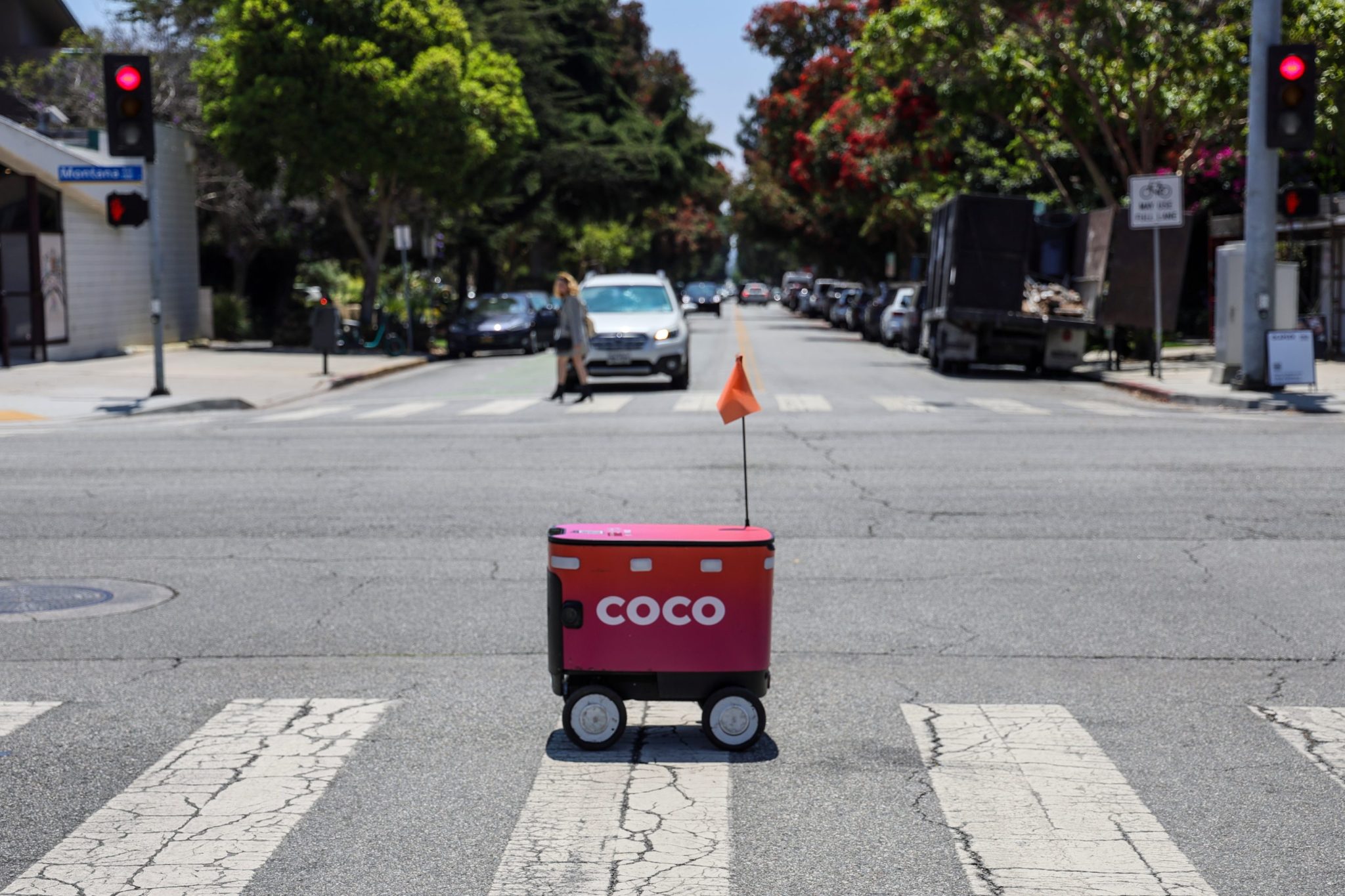
Coco Robotics and the navigation app BlindSquare have started a new partnership to help blind pedestrians walk safely. Delivery robots that usually carry food will now share real-time data about sidewalk hazards with visually impaired users. By using cameras and sensors, these robots can spot obstacles like fallen scooters, construction zones, and broken curbs. This information is sent instantly to the BlindSquare app, which gives audio warnings to people before they reach a dangerous spot.
Main Impact
The biggest impact of this project is the creation of a live, minute-by-minute map of city sidewalks. Most cities use old maps that do not show temporary problems like a blocked path or a new construction site. Because thousands of robots are constantly moving, they can provide the most accurate information available. This turns delivery robots into a helpful tool for public safety, making it easier for people with disabilities to move around busy urban areas without fear of hitting unexpected objects.
Key Details
What Happened
Coco Robotics, a company based in Los Angeles, is connecting its fleet of delivery bots to the BlindSquare app. As the robots move through the streets, they log every obstacle they find. This data is sent to BlindSquare, which is a popular GPS app for the blind. The app then uses a voice to tell the user about the hazard roughly 10 meters before they get to it. This gives the person enough time to change their path or move carefully. The system is already working in several major cities across the United States and Finland.
Important Numbers and Facts
The partnership covers six main markets: Los Angeles, Miami, Chicago, and Jersey City in the U.S., as well as Helsinki and Turku in Finland. Coco Robotics operates about 10,000 robots that are now collecting this data. The BlindSquare app has been downloaded around 90,000 times and works in 190 countries. To make sure the information is useful for everyone, the spoken alerts are available in 26 different languages. The data is updated constantly, meaning an obstacle like a tipped-over scooter might stay on the map for a few hours, while a permanent hole in the sidewalk stays until it is fixed.
Background and Context
Walking on city sidewalks has become more difficult for the blind in recent years. The rise of electric scooters has created new dangers because these scooters are often left in the middle of the path. They are quiet and hard to detect until someone trips over them. Ilkka Pirttimaa, the creator of BlindSquare, noticed that robots and blind people share the same space and face the same problems. He realized that if a robot has to move around a scooter, a blind person needs to know about it too. This led to the idea of sharing robot sensor data with humans who need it.
Public or Industry Reaction
Leaders at Coco Robotics say that cities often have very poor data about their own sidewalks. When the company starts working in a new city, they often find that official maps are years out of date. Industry experts see this partnership as a way to fill that gap. By using a "feedback loop," the system also allows blind users to report when an obstacle has been moved. This helps the robots find better routes, creating a system where technology and humans help each other. In Venice Beach, California, this data has already helped the city identify exactly where to build new sidewalk ramps to make the whole neighborhood more accessible.
What This Means Going Forward
This technology is likely to expand beyond just spotting scooters. In Helsinki, the companies are working with traffic light manufacturers. They are testing a system where robots can "talk" to traffic lights to ask for more time to cross the street. If a robot sees a large group of people waiting, it could trigger a longer walk signal. This type of smart city technology helps everyone, including elderly people and those in wheelchairs. As more robots enter our streets, their ability to map the world in real-time will become a vital part of how cities are managed and improved.
Final Take
The use of delivery robots is often seen only as a convenience for getting food quickly. However, this partnership shows that the sensors and cameras on these machines can serve a much higher purpose. By sharing what they see, these robots are helping to remove barriers for the visually impaired. It is a clear example of how modern technology can make the physical world more inclusive and safer for every member of the community.
Frequently Asked Questions
How does the app warn the user?
The BlindSquare app uses a self-voicing system to give audio alerts. It tells the user about a hazard about 10 meters before they reach it, giving them plenty of time to react.
Which cities are currently using this technology?
The service is live in Los Angeles, Miami, Chicago, and Jersey City in the United States. It is also available in Helsinki and Turku in Finland.
Can the robots help fix the sidewalks?
While the robots cannot fix the sidewalks themselves, they collect data that shows cities exactly where the problems are. This helps local governments know where to install ramps or repair broken pavement to help the most people.



