
Summary
Archaeologists in Greece have recently identified 200 previously unknown ancient sites, marking a major milestone in historical research. These locations span a massive timeline of 6,000 years, offering a new look at how humans lived from the early Stone Age through the Roman era. This discovery helps fill in many missing pieces of the Greek historical record, showing that there is still much to learn about the ancient world. By finding these sites, researchers can better understand how early societies grew, traded, and changed over thousands of years.
Main Impact
The discovery of these 200 sites changes how experts view the history of the Mediterranean region. For a long time, much of the focus in Greece has been on famous monuments like the Parthenon. However, these new findings show that history was happening everywhere, not just in big cities. The impact is significant because it provides a more complete picture of daily life for ordinary people across different eras. It shows that the land was much more crowded and active than previously thought, with small farms, workshops, and villages spread across the countryside.
Key Details
What Happened
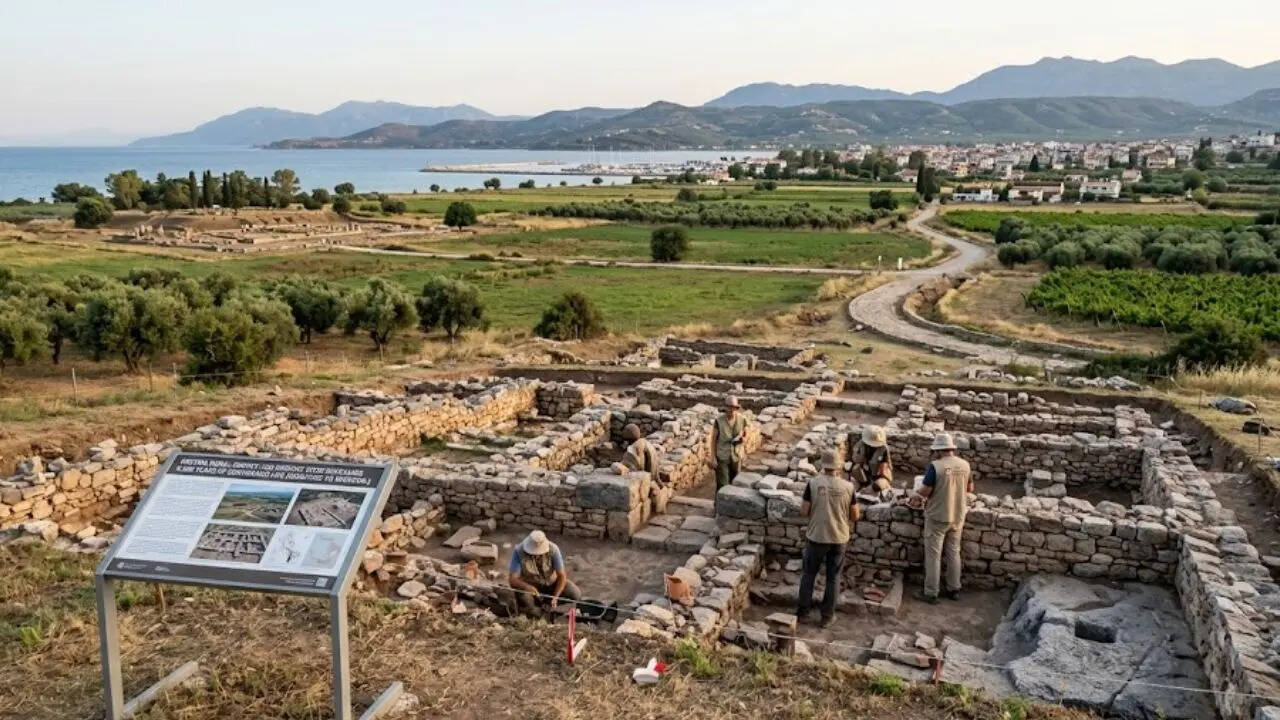
Researchers used a mix of traditional digging and modern technology to find these hidden locations. Instead of just looking for large stone buildings, they looked for small clues on the ground, such as broken pieces of pottery, old tools, and changes in the soil. Many of these sites had been covered by dirt or hidden by plants for centuries. The team worked across various parts of the Greek mainland and islands, mapping out where people used to live. They found that many of these sites were used for hundreds of years before being left behind.
Important Numbers and Facts
The scale of this find is impressive. The 200 sites cover a period starting from the Neolithic era, which is about 6,000 years ago, and continue all the way to the end of the Roman period. Some of the most interesting finds include small farmsteads that date back to the Bronze Age. The researchers collected thousands of artifacts, including ceramic jars used for storing olive oil and wine. These items help prove that even small settlements were part of a large trade network that moved goods across the sea and land.
Background and Context
Greece is often called the cradle of Western civilization. While we know a lot about its famous wars and great thinkers, we know less about the everyday lives of the people who supported those societies. In the past, archaeology often focused on finding gold or beautiful statues. Today, the goal has shifted. Scientists want to know how people survived, what they ate, and how they managed their environment. This project is part of a larger effort to map the entire country using satellite images and drones, which can see shapes in the ground that are invisible to people standing on the surface.
Public or Industry Reaction
The archaeological community has reacted with great excitement to this news. Many experts say that finding 200 sites at once is rare and provides a "data gold mine" for future study. Local communities in Greece are also interested, as these finds can bring more attention to their regions and help with local tourism. However, some experts have raised concerns about how to protect so many new sites. With so many locations now identified, there is a risk that looters or modern construction projects could damage them before they are fully studied.
What This Means Going Forward
The next step for the research team is to protect these areas and begin more detailed studies. They will likely use ground-penetrating radar to see what is under the soil without having to dig everything up. This helps preserve the sites for the future. These findings will also lead to new history books and museum displays that tell a more diverse story of Greece. For the government, this means they must balance the need for new buildings and roads with the need to save these historical treasures. It is a long process that will take many years to complete.
Final Take
This massive discovery reminds us that history is always under our feet. By finding these 200 sites, we are not just looking at old stones; we are looking at the lives of thousands of people who helped shape the world we live in today. It proves that even in a country as well-studied as Greece, there are still many secrets waiting to be found.
Frequently Asked Questions
How old are the oldest sites found in this project?
The oldest sites date back to the Neolithic period, which was about 6,000 years ago. This was a time when humans first started farming and living in permanent villages.
What kind of items did the archaeologists find?
They found many everyday items, such as pieces of clay pots, stone tools, and remains of old walls. These items show how people cooked, worked, and built their homes.
Why were these sites hidden for so long?
Many of these sites were small and did not have large stone towers. Over thousands of years, they were covered by soil, trees, and bushes, making them hard to see without modern tools like drones and satellites.

