Summary
The Indian government has announced a major plan to build a high-speed bullet train corridor between Amaravati and Hyderabad. Union Railway Minister Ashwini Vaishnaw shared that this new rail link will reduce the travel time between the two cities to just 70 minutes. This project is part of a larger vision to connect major cities in South India, turning them into a single, strong economic zone. By making travel faster and easier, the government hopes to boost business and improve the lives of people living in these regions.
Main Impact
The biggest impact of this project is the massive reduction in travel time. Currently, traveling between Hyderabad and Amaravati by road or regular train takes several hours. Cutting this down to a little over an hour will change how people think about distance. It will allow professionals, students, and business owners to travel back and forth in a single day without feeling tired. This speed will help the two cities work together more closely than ever before.
Beyond just speed, the project aims to create a "single economic region." This means that instead of cities working alone, they will function as one large market. When cities are connected by high-speed rail, it becomes easier for companies to move goods and for people to find jobs in different locations. This connectivity is expected to bring more investment to South India and help the local economy grow much faster.
Key Details
What Happened
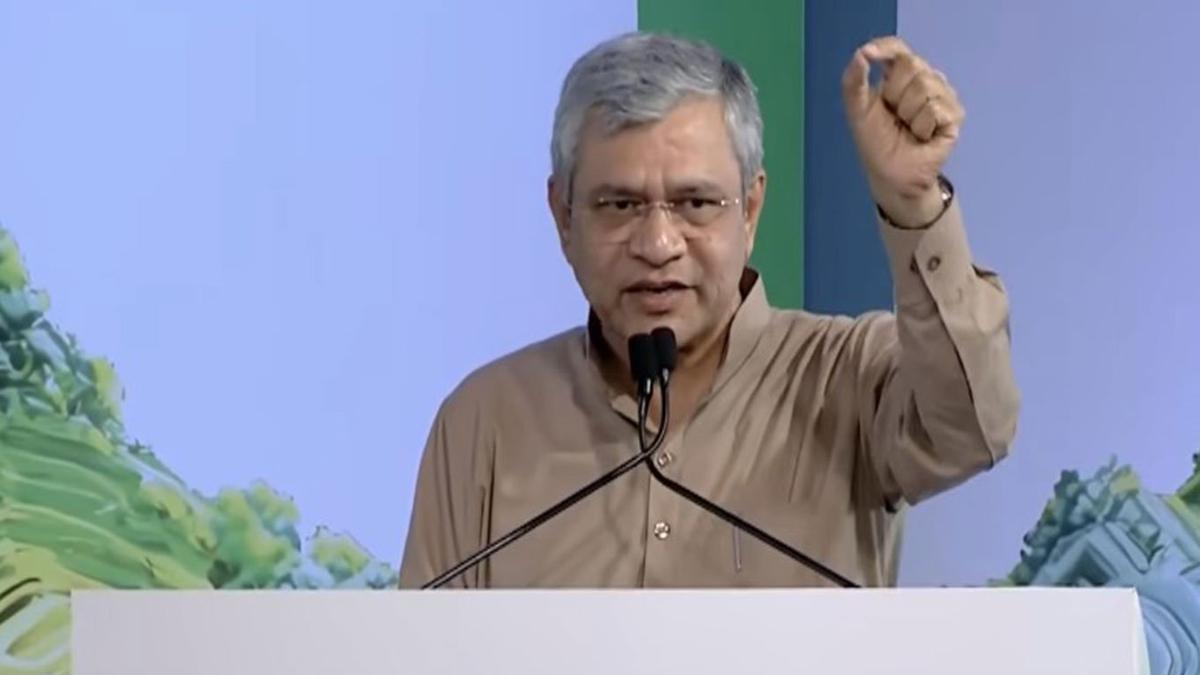
Union Railway Minister Ashwini Vaishnaw recently spoke about the future of rail travel in South India. He explained that the government is focusing on high-speed corridors to link important hubs. The Amaravati-Hyderabad line is a top priority in this plan. The minister noted that the goal is not just to run faster trains, but to build a modern transport system that supports the growing needs of the population. This announcement comes as part of a broader push to modernize the entire Indian railway network with better tracks and faster engines.
Important Numbers and Facts
The most important figure in this announcement is the 70-minute travel time. This is a huge jump in efficiency compared to current options. While the exact cost of the project has not been fully detailed in this specific update, bullet train projects usually require billions of dollars in investment. The project will involve building special tracks that can handle very high speeds, separate from the regular slow-moving trains. This corridor will serve as a vital link between Telangana and Andhra Pradesh, the two states where these cities are located.
Background and Context
To understand why this matters, we have to look at the importance of these two cities. Hyderabad is already a global center for technology and medicine. It has a large population and a very strong economy. Amaravati is the planned capital of Andhra Pradesh and is currently being developed into a modern city. Connecting a settled powerhouse like Hyderabad with a growing capital like Amaravati is a strategic move. It ensures that the new capital has the support it needs to grow quickly.
India has been working on high-speed rail for a few years now. The first major project was the Mumbai-Ahmedabad bullet train. The government is now looking to bring this same technology to other parts of the country. South India is a major contributor to India's total wealth, so improving its infrastructure is a logical step for the central government. By using high-speed rail, India is trying to catch up with other countries like Japan and China that have used fast trains to power their economies.
Public or Industry Reaction
The news has been received with a lot of excitement from the business community. Leaders in the tech and manufacturing sectors believe that faster travel will lower the cost of doing business. It will also make it easier for them to hire talent from both cities. Many people who live in one city but have family in the other are also happy about the news, as it makes visiting much simpler.
However, some experts point out that building bullet trains is a difficult task. It requires a lot of land and a very long time to complete. There are often concerns about how the land will be bought and how much the tickets will cost for the average person. Despite these concerns, the general feeling is positive because the project shows that the government is serious about modernizing the region.
What This Means Going Forward
In the coming months, we can expect more details about the exact route and the start of construction. The government will need to conduct detailed surveys to see where the tracks will go. This project is likely just the beginning. The minister hinted that other cities in the south, such as Bengaluru and Chennai, might also be included in future high-speed rail plans. If these cities are all linked, South India could become one of the most connected and productive areas in Asia.
For the average traveler, this means that the future of transport will be about saving time. As the project moves from a plan to reality, it will create many jobs in construction and engineering. Once the trains start running, new businesses like hotels, cafes, and shops are likely to open up near the new stations, creating even more opportunities for local people.
Final Take
The Amaravati-Hyderabad bullet train is more than just a fast way to travel. It is a plan to unite two major cities into one powerful economic force. While there are challenges ahead in terms of building and funding, the potential benefits for trade, jobs, and daily life are very high. This project marks a new chapter for South India's growth and shows a clear path toward a more modern and connected future.
Frequently Asked Questions
How long will it take to travel between Amaravati and Hyderabad?
Once the bullet train project is finished, the travel time between the two cities will be reduced to just 70 minutes.
Who announced this new rail plan?
The plan was shared by the Union Railway Minister, Ashwini Vaishnaw, as part of a larger strategy for South India.
What is the main goal of the project?
The main goal is to connect major southern cities into a single economic region to help businesses grow and make travel easier for everyone.