
Summary
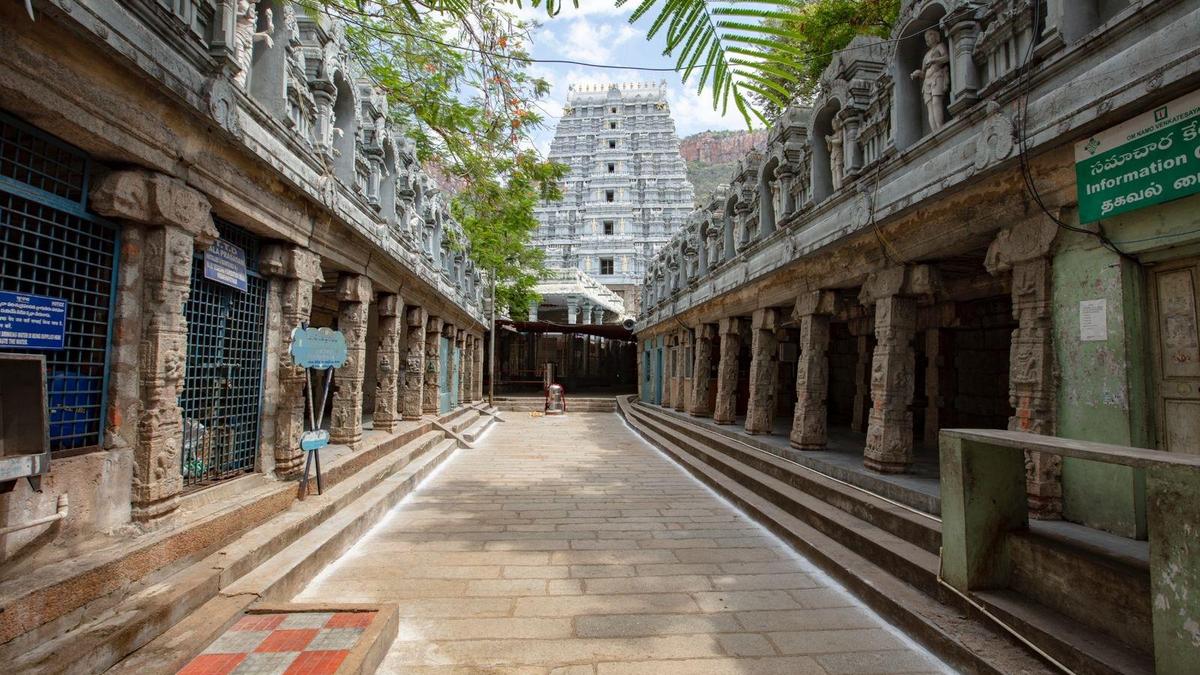
The Tirumala Tirupati Devasthanams (TTD) has reached a major milestone in the scientific restoration of the Alipiri Padalamandapam. This historic structure, located at the foot of the Tirumala hills, is undergoing a complete repair process to ensure its long-term safety. Experts have recently sent soil samples to the National Institute of Technology (NIT) in Warangal for detailed testing. This step is necessary to design a foundation that can support the ancient building for many years to come.
Main Impact
The restoration of the Padalamandapam is vital for both the safety of pilgrims and the preservation of local history. By using modern engineering methods, the TTD aims to fix structural weaknesses that have developed over centuries. The main goal is to create a base that is strong enough to handle the weight of the stone structure and the environmental changes in the area. This project ensures that future generations can continue to visit this sacred site without fear of the building collapsing or deteriorating further.
Key Details
What Happened
Engineers working on the project have collected soil samples from various points around the Alipiri Padalamandapam. These samples were sent to the geotechnical department at NIT Warangal. The scientists there will perform several tests to check the strength and stability of the ground. This process is called geotechnical analysis. It helps engineers understand how the earth beneath the building reacts to pressure and moisture. Once the results are ready, the team will use the data to create a custom foundation plan.
Important Numbers and Facts
The Alipiri Padalamandapam is one of the oldest structures at the base of the Seven Hills in Tirupati. Thousands of pilgrims pass through this area every day before they begin their walk up the mountain. Because the building is made of heavy stone, the foundation must be incredibly strong. The testing at NIT Warangal will look at the soil's "bearing capacity," which is a measure of how much weight the ground can hold before it shifts. This scientific approach replaces older methods that relied more on guesswork, making the new construction much more reliable.
Background and Context
Alipiri is known as the gateway to Tirumala. For hundreds of years, devotees have started their spiritual journey here. The Padalamandapam is a specific hall where pilgrims often stop to pray or rest. Over time, the natural elements like rain and heat have caused the old stones and the ground beneath them to wear down. In recent years, officials noticed cracks and signs of sinking in parts of the structure. To prevent a total loss of this heritage site, the TTD decided to start a full-scale restoration project. They chose to use modern science to make sure the repairs are done correctly the first time.
Public or Industry Reaction
Many people who visit Tirupati regularly have expressed relief that the building is finally getting the attention it needs. Local historians have also praised the decision to involve a top-tier institution like NIT Warangal. Engineering experts say that testing the soil is the most important step in any restoration project involving heavy stone. They believe that combining traditional temple architecture with modern soil science is the best way to protect ancient monuments. The community is eager to see the site returned to its former glory while being safer than ever before.
What This Means Going Forward
Once the soil report from NIT Warangal is finished, the construction team will begin the next phase of the project. They will build a new, reinforced foundation based on the scientific data. After the base is secure, the stone pillars and roof of the Padalamandapam will be carefully repaired or replaced. The TTD plans to monitor the site closely during the entire process. This project serves as a model for how other old temples in India can be saved using a mix of history and technology. The work is expected to move quickly now that the technical analysis is underway.
Final Take
The scientific restoration of the Alipiri Padalamandapam shows a deep respect for the past and a smart plan for the future. By focusing on the ground beneath the structure, the TTD is making sure that this piece of history stands firm for another several hundred years. It is a clear example of how modern engineering can be used to serve and protect ancient traditions.
Frequently Asked Questions
Why is the soil being tested at NIT Warangal?
The soil is being tested to see how much weight it can support. This helps engineers design a strong foundation that will prevent the building from sinking or cracking in the future.
What is the Alipiri Padalamandapam?
It is a historic hall located at the base of the Tirumala hills in Tirupati. It is a significant site where pilgrims stop before they begin their climb to the temple at the top.
Who is responsible for the restoration?
The Tirumala Tirupati Devasthanams (TTD) is managing the project. They are working with engineering experts and scientific institutions to ensure the work is done to a high standard.

