Summary
Netflix has partnered with SignUp Media to add American Sign Language (ASL) interpretations to many of its children's shows and movies. This move aims to make content more accessible for deaf and hard-of-hearing kids. The new feature will be available on dozens of popular titles, allowing young viewers to follow along with sign language interpreters on screen.
Main Impact
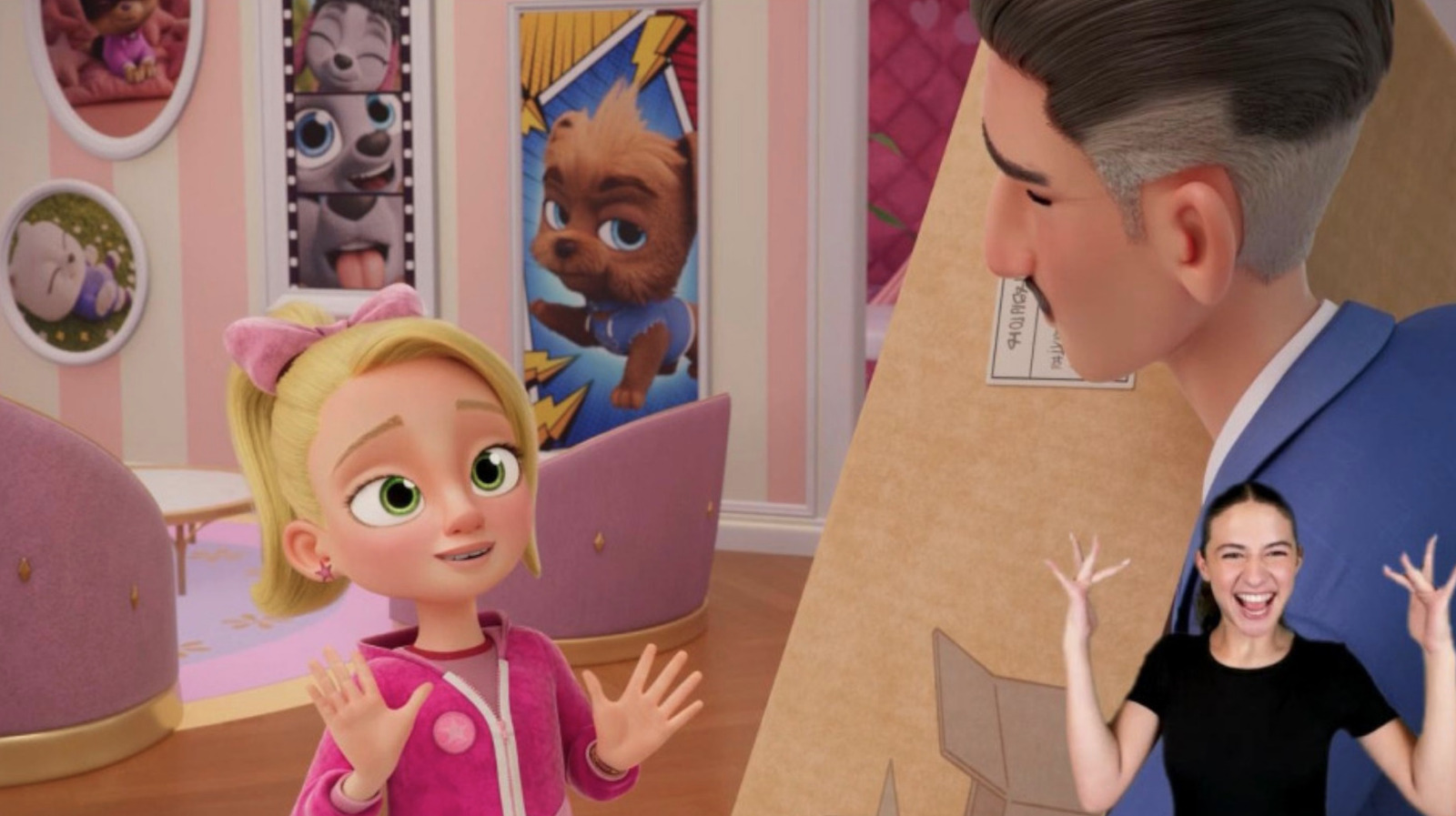
The biggest change is that deaf children and their families will now have more ways to enjoy Netflix shows. Instead of just reading subtitles, kids can watch a sign language interpreter appear in a small window on the screen. This makes the experience more natural and engaging, especially for younger viewers who may not read well yet. The partnership with SignUp Media, a company that specializes in sign language services, shows Netflix is taking accessibility seriously.
Key Details
What Happened
Netflix announced a new feature that adds ASL interpretation to a selection of its kids' content. The interpreters appear in a small box on the screen, translating the dialogue and sounds into sign language. This is different from closed captions, which only show text. The feature is designed to help deaf children follow the story without missing visual cues or emotions.
Important Numbers and Facts
The service will cover "dozens" of shows and movies, though Netflix has not released an exact number yet. The initial list includes popular titles like "SpongeBob SquarePants," "Octonauts," and "StoryBots." The ASL interpretations are available now on the Netflix app for kids' profiles. Users can turn on the feature in the audio and subtitle settings, just like they would for other languages.
Background and Context
Accessibility in streaming has been a growing concern for years. Many deaf viewers rely on subtitles, but these can be hard to follow for young children who are still learning to read. ASL is a visual language that uses hand shapes, facial expressions, and body movements. By adding interpreters, Netflix is giving deaf kids a way to enjoy shows in their first language. This is part of a larger push by the company to improve accessibility, including audio descriptions for blind viewers.
Public or Industry Reaction
Early reactions from the deaf community have been positive. Many parents and advocates say this is a big step forward. They point out that deaf children often miss out on the full experience of a show because subtitles can't capture tone or emotion. Some experts note that this move could set a new standard for other streaming services. However, a few critics say the selection is still too small and hope Netflix will expand it to more content, including shows for adults.
What This Means Going Forward
This change could lead to more accessible content across the streaming industry. If Netflix sees strong demand, it may add ASL interpretations to more shows and movies. Other platforms like Disney+ and Amazon Prime might follow suit. For now, deaf children and their families have a new way to enjoy entertainment together. The feature also highlights how technology can bridge gaps in communication and inclusion.
Final Take
Netflix's move to add ASL interpretations is a practical and meaningful step toward inclusion. It recognizes that accessibility is not just about adding text, but about providing a full, natural viewing experience. For deaf kids, this means more than just watching a show—it means feeling included in the story.
Frequently Asked Questions
How do I turn on ASL interpretation on Netflix?
You can find the ASL option in the audio and subtitle settings when watching a supported kids' show or movie. Look for "ASL" under the language options. It works on most devices, including smart TVs, tablets, and phones.
Which shows and movies have ASL interpretation?
Netflix has not released a full list, but popular titles like "SpongeBob SquarePants," "Octonauts," and "StoryBots" are included. The feature is available on dozens of kids' shows and movies. More titles may be added over time.
Is ASL interpretation available for adult shows too?
Right now, the feature is only for kids' content. Netflix has not announced plans to add it to adult shows, but if the response is positive, they may expand it in the future.