Summary
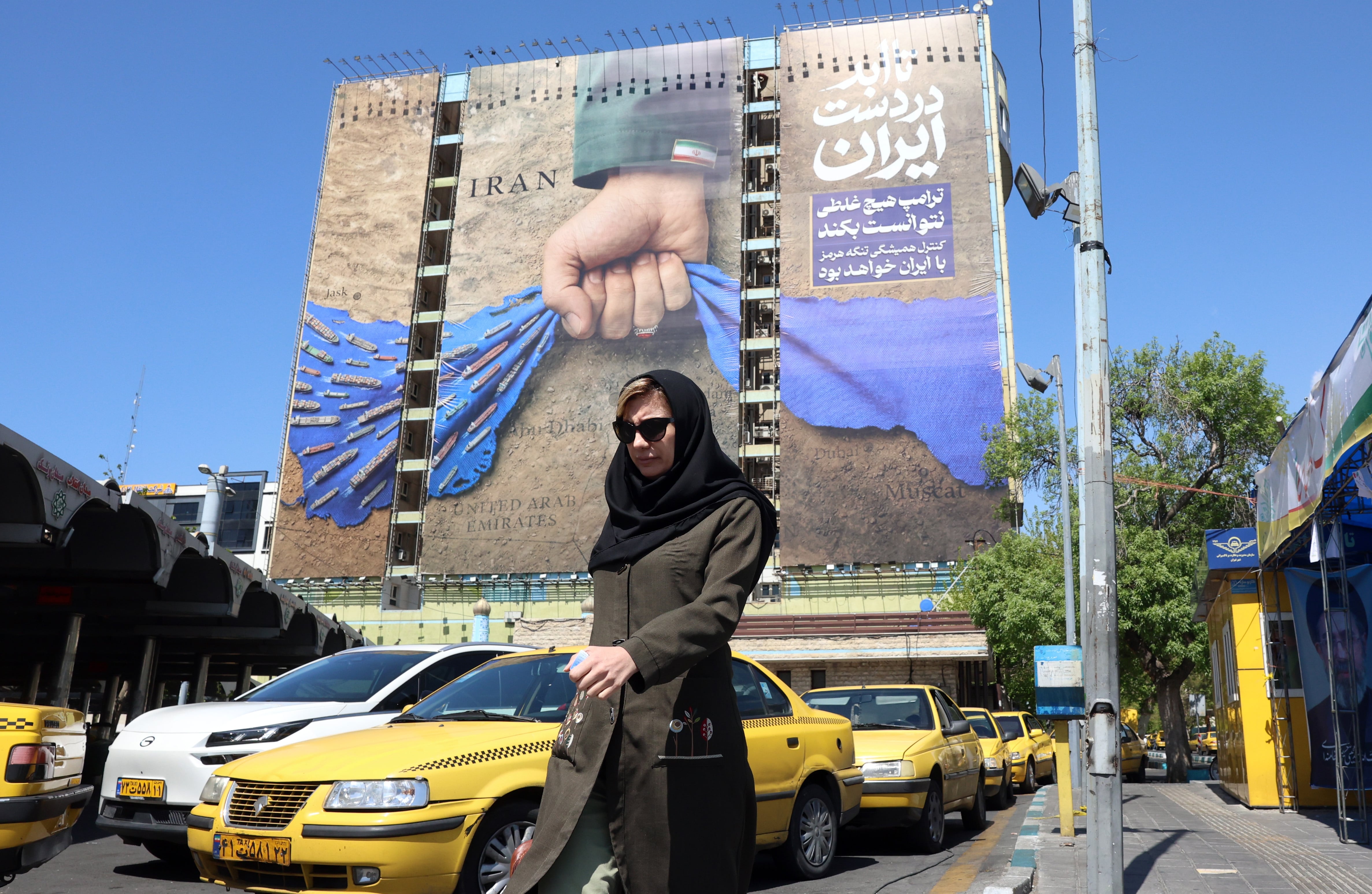
Israeli Prime Minister Benjamin Netanyahu has officially ordered the military to strengthen its positions in the occupied areas of southern Lebanon. This move comes at a very sensitive time, just after a historic meeting between Israeli and Lebanese officials in Washington. While leaders are talking about a possible ceasefire, the situation on the ground remains tense. At the same time, the United States and Iran are struggling to reach a deal to stop their own conflict, with Iran threatening to block major global shipping routes if its ships remain blocked by the U.S. military.
Main Impact
The biggest impact of these developments is the increased risk to global trade and regional safety. By ordering more troops and resources into southern Lebanon, Israel is showing that it is prepared for more fighting even while diplomats discuss peace. However, the most worrying part for the rest of the world is Iran's threat to stop all trade in the Persian Gulf, the Sea of Oman, and the Red Sea. If these waters are closed, it could cause a massive spike in oil prices and stop the movement of goods across the globe.
Key Details
What Happened
On Wednesday, Prime Minister Netanyahu met with his Security Cabinet to talk about a ceasefire with Lebanon. Despite these talks, he decided to send more support to the occupied southern region of Lebanon. This happened only one day after the first direct meeting between Israel and Lebanon in many years. Meanwhile, the White House is trying to manage a separate conflict with Iran. A spokesperson for the U.S. government, Karoline Leavitt, said that while they have not "formally" asked to extend a current ceasefire with Iran, they are open to meeting in person to find a solution.
Important Numbers and Facts
The current ceasefire between the United States and Iran is set to end next Wednesday. This creates a very tight deadline for leaders to reach a new agreement. Recently, officials from both sides met in Pakistan for a long discussion that lasted 21 hours. Despite the long hours, they could not agree on a deal. Pakistan is currently acting as the only middleman in these talks. Iran has stated that if the U.S. continues to block its oil and cargo ships in the Strait of Hormuz, it will respond by stopping all imports and exports in three major sea areas.
Background and Context
To understand why this is happening, it is important to know that Israel and Lebanon have been in a state of conflict for a long time. Southern Lebanon is a key area where fighting often breaks out. The recent meeting in Washington was seen as a big step forward because the two countries rarely speak directly to each other. However, trust is still very low, which is why Israel is reinforcing its military presence there.
The conflict between the U.S. and Iran is also about power and trade. The U.S. has placed many rules on Iran to stop it from selling oil, which is how Iran makes most of its money. Iran uses its location near the Strait of Hormuz to fight back. This narrow waterway is one of the most important places in the world for shipping oil. If it is blocked, many countries will struggle to get the energy they need for cars, homes, and factories.
Public or Industry Reaction
Global markets are watching these events very closely. Oil companies and shipping firms are worried about the safety of their boats in the Middle East. When Iran mentions blocking the Red Sea or the Persian Gulf, it makes businesses nervous, which often leads to higher prices for consumers. Political experts are also divided. Some believe that the direct talks in Washington are a sign that peace is possible, while others think the military buildup in Lebanon shows that a larger war is still a big risk.
What This Means Going Forward
The next few days are critical. All eyes are on the Wednesday deadline for the U.S.-Iran ceasefire. If no agreement is reached by then, we could see more military action at sea. There is a possibility of a face-to-face meeting in Pakistan, which would be a major event. If that meeting happens, it might be the last chance to prevent a bigger conflict. In Lebanon, the world is waiting to see if Netanyahu’s order to reinforce the border will lead to more fighting or if the ceasefire talks will actually result in a signed peace deal.
Final Take
The situation is a mix of hopeful diplomacy and dangerous military moves. While it is good that enemies are sitting down to talk, the threats to global shipping and the increase of troops in Lebanon show that peace is still far away. The world is waiting to see if leaders will choose to talk or if the region will fall deeper into a large-scale war that affects everyone’s economy.
Frequently Asked Questions
Why is the Strait of Hormuz so important?
It is a narrow path in the ocean where a large portion of the world's oil is moved by ship. If it is blocked, oil cannot reach other countries, causing prices to go up everywhere.
What is Pakistan's role in the conflict?
Pakistan is acting as the mediator, or middleman. Since the U.S. and Iran have a hard time talking directly, they use Pakistan as a neutral place to hold meetings and share messages.
When does the current ceasefire end?
The current agreement between the United States and Iran is scheduled to expire next Wednesday. Leaders are working quickly to see if they can extend it or make a new deal before time runs out.