
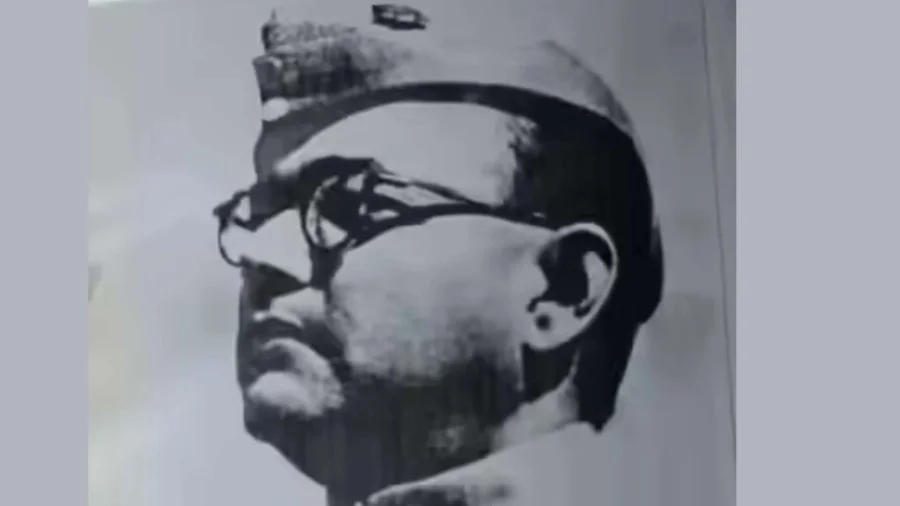
For decades, the question of what really happened to Netaji Subhas Chandra Bose has haunted India. Now, his daughter has taken that question to the highest court in the land. Anita Bose Pfaff, Netaji’s only child, has filed a petition in the Supreme Court of India, seeking the return of her father’s ashes from Japan. The move is a deeply personal and legal push to resolve a mystery that has lingered for over seven decades.
The Petition: What the Daughter Is Asking For
Anita Bose Pfaff, an economist based in Germany, has moved the Supreme Court with a clear demand: bring Netaji’s ashes back to India. The ashes are currently kept at the Renkoji Temple in Tokyo, where they have been housed since 1945. The petition argues that the remains should be repatriated so that Netaji can receive a proper burial in his homeland, in accordance with his family’s wishes and Indian traditions.
Why This Matters After All These Years
This is not just a family matter. Netaji Subhas Chandra Bose remains a towering figure in India’s freedom struggle, and the circumstances of his death have been a subject of intense speculation and multiple official inquiries. The Japanese government has maintained that Netaji died in a plane crash in Taipei in 1945, and his ashes were brought to Tokyo. However, many in India, including some family members, have questioned this version. The petition brings this unresolved chapter back into the public and legal spotlight.
The Long Road to This Moment
Netaji’s ashes have been at Renkoji Temple since 1945. Over the years, various Indian governments have been reluctant to press Japan for their return, citing diplomatic sensitivities and the lack of a clear consensus on the cause of death. Several commissions, including the Shah Nawaz Committee and the Justice Mukherjee Commission, have examined the case but failed to provide a conclusive answer. The family has repeatedly sought the return of the ashes, but without success. This Supreme Court petition is the most significant legal step taken so far.
What This Means for the Bose Family
For Anita Bose Pfaff, this is a deeply emotional quest. She has stated in the past that she wants her father’s remains to be brought to India so that he can be cremated according to Hindu rites and his memory honored properly. The petition is not just about history; it is about closure for a family that has lived with uncertainty for generations. The outcome could also set a precedent for how India handles the remains of other historical figures whose final resting places are abroad.
Government and Diplomatic Response Awaited
The Supreme Court is likely to seek a response from the central government, the Ministry of External Affairs, and possibly the Japanese government. The Indian government has historically maintained that the matter is sensitive and that any decision must be taken in consultation with Japan. The petition could force the government to take a definitive stance. No official statement has been issued by the government or the Japanese embassy so far.
The Legal and Historical Questions at Play
The petition raises several complex questions. First, does the Indian government have the legal authority to demand the return of remains from a foreign country? Second, what is the status of the ashes under Japanese law? Third, if the ashes are returned, where should they be interred? The case also touches on the broader issue of India’s unresolved historical narratives and the right of families to decide the final resting place of their loved ones.
Confirmed Facts vs What Remains Unclear
Confirmed: Anita Bose Pfaff has filed a petition in the Supreme Court seeking the return of Netaji’s ashes from Renkoji Temple, Japan. The ashes have been there since 1945. Unclear: The exact legal grounds on which the petition is based, the government’s official response, and whether Japan will agree to repatriate the remains. The cause of Netaji’s death remains officially recorded as a plane crash, but this is contested by some.
Risks and Balanced View
While the petition is a legitimate family and historical pursuit, it also carries risks. Diplomatic tensions with Japan could arise if the matter is handled aggressively. Some historians argue that the ashes at Renkoji may not be Netaji’s, which could complicate the case. Others believe that reopening the debate could distract from more pressing contemporary issues. The family’s quest for closure must be balanced against the need for verifiable evidence and international cooperation.
Wider Pattern: Historical Repatriation and National Memory
This case is part of a broader global trend where families and nations seek the return of remains of historical figures. From the repatriation of indigenous remains in museums to the return of colonial-era artifacts, the question of who owns the past is increasingly being litigated. Netaji’s case is unique because it involves a national hero whose death remains shrouded in mystery, making it as much a matter of national identity as of family rights.
What Readers Should Know
For those following the story, the key is to watch the Supreme Court’s next steps. The court may issue notices to the central government and the Ministry of External Affairs. The case could take months or even years to resolve. For now, the petition is a significant legal and emotional milestone. Readers interested in Netaji’s legacy should also look into the findings of the various commissions that have examined his death.
What Could Happen Next
The Supreme Court is expected to hear the petition and may ask the government to file a response. If the court rules in favor of the family, the government will have to initiate diplomatic talks with Japan. Japan has historically been cooperative on such matters, but the sensitivity of the case could lead to delays. Alternatively, the court may dismiss the petition or refer it to a larger bench. The outcome remains uncertain.
Our Take
This petition is more than a legal filing; it is a reminder that some wounds of history never fully heal. Netaji Subhas Chandra Bose remains a symbol of resistance and sacrifice for millions of Indians, and the uncertainty around his death has been a source of pain for his family and the nation. While the legal path ahead is fraught with diplomatic and evidentiary challenges, the daughter’s move is a courageous step toward closure. Whether the ashes return or not, the case forces India to confront an uncomfortable chapter in its past — and that, in itself, is a service to history.
Frequently Asked Questions
Who is Anita Bose Pfaff?
Anita Bose Pfaff is the daughter of Netaji Subhas Chandra Bose and his wife, Emilie Schenkl. She is an economist based in Germany and has been advocating for the return of her father’s ashes for years.
Where are Netaji’s ashes currently kept?
Netaji’s ashes are housed at the Renkoji Temple in Tokyo, Japan. They have been there since 1945, following the official account of his death in a plane crash in Taipei.
Why is the return of the ashes controversial?
The controversy stems from the unresolved mystery surrounding Netaji’s death. Some believe he did not die in the plane crash, and the ashes may not be his. The Indian government has also been cautious about pressing Japan on the matter due to diplomatic sensitivities.
What is the next step in the Supreme Court?
The Supreme Court will likely issue notices to the central government and other relevant parties. The court may then schedule a hearing to decide on the petition. The process could take several months.



