Summary
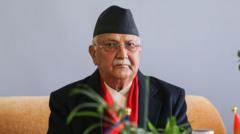
The former Prime Minister of Nepal has been arrested by authorities in connection with a violent crackdown on protesters. This legal action follows a massive public uprising last year that eventually led to the downfall of his government. During those weeks of unrest, more than 70 people were killed as security forces tried to stop the demonstrations. The arrest marks a major shift in Nepal’s political scene as the country seeks justice for the victims of state violence.
Main Impact
This arrest is a historic moment for Nepal’s justice system. For a long time, high-ranking officials in the country rarely faced consequences for their actions while in power. By taking the former leader into custody, the current government is showing that no one is above the law. This move could help heal some of the wounds left by the violent protests, but it also risks creating new political tension between different parties. It signals a new era where leaders might be held responsible for how they handle public dissent and the use of police force.
Key Details
What Happened
The arrest took place after months of investigations into the events of the previous year. At that time, the country was filled with anger over the government's decisions. Thousands of people marched in the streets to demand change. The government responded by sending in police and security forces to break up the crowds. In many cases, the situation turned deadly. Witnesses reported that security forces used live ammunition and heavy force against people who were mostly unarmed. The former Prime Minister is now being questioned about his role in ordering these actions and whether he failed to protect the lives of citizens.
Important Numbers and Facts
The scale of the violence was significant for a modern democracy. Official reports confirm that over 70 people died during the weeks of protests. Thousands of others were injured, with many still suffering from long-term health issues today. Hundreds of protesters were also detained during the uprising. The protests lasted for several months before the government finally collapsed, leading to a change in leadership. The current investigation involves looking at hundreds of police reports and medical records from that period to build a case against the former leader.
Background and Context
Nepal has faced a lot of political change over the last few decades. The country moved from a monarchy to a republic, and its democracy is still relatively young. K.P. Sharma Oli, the former Prime Minister, was a powerful figure who often faced criticism for his style of leadership. Many people felt he was becoming too powerful and was ignoring the rules of the constitution. This tension reached a breaking point last year when the public decided they had seen enough. The uprising was not just about one law; it was about the overall direction of the country and the feeling that the government was no longer listening to the people.
Public or Industry Reaction
The reaction to the arrest has been mixed across the country. Families of those who died in the protests have expressed a sense of relief. For them, this is a step toward getting the answers and justice they have wanted for a year. Human rights groups have also praised the move, saying it is necessary to prevent future leaders from using violence against their own people. However, supporters of the former Prime Minister are angry. They claim the arrest is a political move by the current government to get rid of a rival. Some of his followers have already started small protests, calling for his immediate release and claiming the charges are made up.
What This Means Going Forward
The next few months will be a test for Nepal’s courts. The legal team for the former leader is expected to fight the charges aggressively. If the case goes to trial, it will be one of the most watched events in the country’s history. There is a risk that this could lead to more instability if the public feels the trial is not fair. On the other hand, a successful and transparent trial could strengthen the public's trust in the government and the legal system. Other political leaders will likely be more careful about how they manage protests in the future, knowing that they could face similar legal trouble if things go wrong.
Final Take
The arrest of a former head of state is always a serious matter that changes the course of a nation. In Nepal, this action represents a struggle between the old way of doing things and a new demand for accountability. While the political future remains uncertain, the focus for many remains on the 70 families who lost loved ones. Their search for justice has finally reached the highest levels of power, and the outcome of this case will define Nepal’s democracy for years to come.
Frequently Asked Questions
Why was the former Prime Minister of Nepal arrested?
He was arrested because of his role in a violent crackdown on protesters last year. During the uprising, more than 70 people were killed by security forces, and he is being held responsible for those deaths.
What happened during the uprising last year?
Large groups of people protested against the government's policies. The situation turned violent when security forces used force to stop the demonstrations, leading to many deaths and injuries and eventually causing the government to fall.
What could happen next in this case?
The former leader will likely face a trial in court. The legal process will determine if he is guilty of the charges. This could lead to a prison sentence or a total change in how the country's leaders are held accountable.