
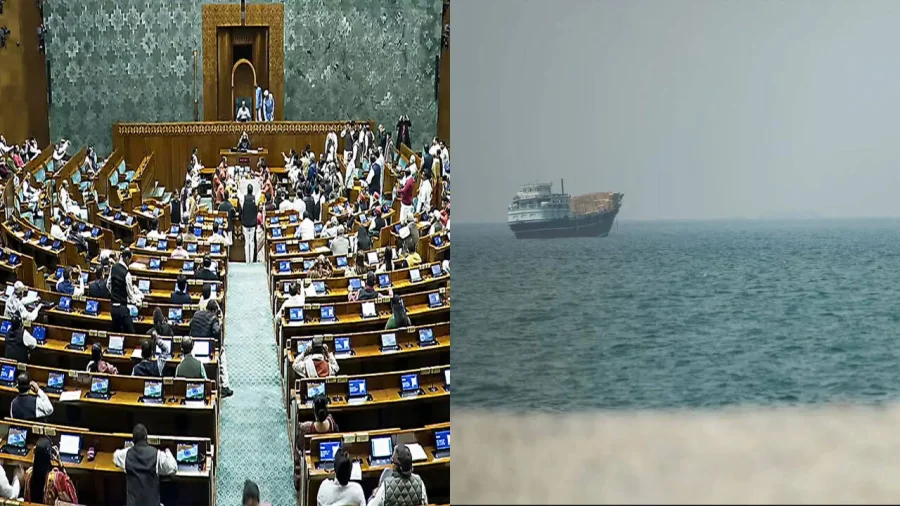
Tonight’s news cycle brings a mix of political breakthroughs, geopolitical shifts, and technological milestones. The government has invited opposition parties for NEET discussions without preconditions, breaking a weeks-long parliamentary deadlock. Meanwhile, Gulf nations are investing billions in new oil pipelines to bypass the Strait of Hormuz, a move that could reshape global energy security. Iran claims its strikes destroyed US Patriot systems and THAAD radar in Jordan, though independent verification remains pending. India’s first hydrogen-powered train completed 900 kilometers in five days, marking a significant step toward green rail transport. Activists and the government remain in a standoff over protest venue for talks.
NEET Deadlock: Government Invites Opposition Without Preconditions
The government has extended an olive branch to opposition parties, inviting them for discussions on the NEET issue without any preconditions. This move aims to break the parliamentary deadlock that has stalled proceedings for weeks. Opposition leaders have welcomed the gesture but remain cautious, demanding a clear agenda and timeline for the talks. The NEET controversy, centered on alleged irregularities in medical entrance exams, has been a flashpoint in Parliament, with both sides accusing each other of obstruction.
Why the NEET Deadlock Matters for Students and Parliament
For millions of students awaiting clarity on NEET results and admissions, the deadlock has created uncertainty. The government’s invitation signals a willingness to address concerns, but opposition leaders insist on a transparent process. The outcome of these talks could determine whether Parliament resumes normal functioning or remains gridlocked. Analysts say the NEET issue has become a test of the government’s ability to manage legislative business and address public grievances.
How the NEET Controversy Escalated
The NEET deadlock began after opposition parties alleged irregularities in the conduct of the medical entrance exam, including paper leaks and marking discrepancies. The government has denied these claims, calling them politically motivated. Multiple rounds of protests and walkouts have paralyzed Parliament, with both sides refusing to budge. The invitation for talks without preconditions is seen as a significant shift in the government’s stance.
Who Is Affected by the NEET Standoff
Over 2 million students appear for NEET annually, and the deadlock has delayed the release of results and counseling schedules. Parents and educators have expressed frustration, urging politicians to prioritize students’ futures. The uncertainty has also impacted medical college admissions, with many students facing career delays. The talks, if successful, could provide much-needed clarity and restore faith in the examination process.
Government and Opposition Responses
Government sources said the invitation is unconditional and aims to resolve the issue through dialogue. “We are ready to discuss all concerns raised by the opposition,” a senior minister said. Opposition leaders, while welcoming the move, have demanded a written assurance that the talks will address their core demands. “We will not accept a mere formality; the discussions must be meaningful,” a senior opposition leader said. The talks are expected to take place later this week.
What the NEET Talks Mean for Parliamentary Functioning
The deadlock has disrupted legislative business, with key bills pending. A resolution could restore normalcy and allow Parliament to address other pressing issues, including the budget and economic reforms. However, analysts warn that the talks could fail if either side adopts a rigid stance. The outcome will be closely watched as a barometer of the government’s willingness to engage with opposition concerns.
Confirmed Facts vs What Remains Unclear About the NEET Talks
Confirmed: The government has invited opposition parties for NEET discussions without preconditions. Unclear: The exact agenda, timeline, and whether the talks will lead to a concrete resolution. Speculation: Some analysts believe the talks are a tactical move to break the deadlock, while others see them as a genuine effort to address concerns. No independent confirmation of opposition’s specific demands has been made.
Gulf Nations Invest Billions in New Oil Pipelines to Bypass Strait of Hormuz
Gulf nations are investing billions of dollars in new oil pipelines designed to bypass the Strait of Hormuz, a critical chokepoint for global oil shipments. The strait, located between Iran and Oman, handles about 20% of the world’s oil supply. Recent tensions with Iran have highlighted the vulnerability of this route, prompting Gulf states to seek alternatives. The new pipelines will connect oil fields directly to ports on the Arabian Sea, reducing reliance on the strait.
Why the Strait of Hormuz Bypass Matters for Global Energy Security
The Strait of Hormuz has long been a flashpoint in Middle East geopolitics. Iran has threatened to block the strait in response to sanctions or military action, a move that could disrupt global oil supplies and trigger price spikes. The new pipelines, if completed, would provide a strategic alternative, allowing Gulf nations to export oil without passing through the strait. This could reduce the leverage of Iran and other regional actors over global energy markets.
Timeline of Gulf Pipeline Investments
Plans for bypass pipelines have been discussed for years, but recent tensions have accelerated investments. Saudi Arabia and the UAE are leading the effort, with projects like the East-West Pipeline and the Abu Dhabi Crude Oil Pipeline. These pipelines have a combined capacity of over 10 million barrels per day. Construction is underway, with some projects expected to be operational within the next two years. The investments are part of a broader strategy to diversify export routes and enhance energy security.
Who Benefits from the New Oil Routes
Gulf nations stand to gain the most, as the pipelines reduce their vulnerability to geopolitical disruptions. Global oil consumers, including India and China, would also benefit from a more stable supply chain. However, the pipelines could increase tensions with Iran, which views the bypass as a threat to its strategic position. Environmental groups have raised concerns about the impact of pipeline construction on marine and coastal ecosystems.
Official Responses and Expert Views
Gulf officials have described the pipeline investments as a “strategic necessity” to ensure energy security. “We cannot rely on a single chokepoint for our exports,” a Saudi energy official said. Energy analysts say the pipelines are a long-term solution but caution that they may not fully eliminate risks. “The pipelines are a hedge, not a complete solution,” an analyst said. Iran has criticized the projects, calling them a “hostile act” aimed at undermining its regional influence.
How the Pipelines Could Reshape Global Oil Trade
The bypass pipelines could fundamentally alter global oil trade patterns. By reducing dependence on the Strait of Hormuz, Gulf nations could gain more control over their export routes and pricing. This could also reduce the strategic importance of the strait, potentially lowering the risk of conflict. However, the pipelines require significant investment and maintenance, and any disruption could still impact global markets.
Confirmed Facts vs What Remains Unclear About the Pipeline Projects
Confirmed: Gulf nations are investing billions in new oil pipelines to bypass the Strait of Hormuz. Unclear: The exact timeline for completion and the total capacity of the new routes. Speculation: Some analysts believe the pipelines could be operational within two years, but delays are possible due to technical and political challenges. No independent verification of the total investment amount has been made.
Iran Claims Its Strikes Destroyed US Patriot Systems and THAAD Radar in Jordan
Iran has claimed that its recent missile strikes destroyed US Patriot systems and THAAD radar in Jordan. The claim, made by Iranian state media, has not been independently verified. US officials have denied the claim, calling it “propaganda.” The strikes were reportedly in response to Israeli actions in the region. The incident has raised tensions between Iran and the US-led coalition, with both sides accusing each other of escalation.
Why the Iran Claim Matters for Regional Stability
If true, the destruction of US air defense systems would represent a significant escalation in the conflict. The Patriot and THAAD systems are critical components of US and allied air defense networks. Their loss could weaken the ability to defend against future attacks. However, US officials have dismissed the claim as exaggerated, and no independent evidence has emerged. The incident underscores the fragility of the security situation in the Middle East.
Timeline of Iran-US Tensions in the Region
Tensions between Iran and the US have escalated in recent months, with both sides conducting military operations. Iran has launched several missile and drone attacks against US and allied targets, while the US has responded with airstrikes and sanctions. The latest claim comes amid a broader confrontation involving Israel, Hezbollah, and other regional actors. The situation remains fluid, with no clear path to de-escalation.
Who Is Affected by the Iran-US Confrontation
The confrontation has direct implications for US military personnel and allied forces in the region. It also affects global oil markets, as any disruption to Middle East stability can trigger price volatility. Civilians in conflict zones face the greatest risk, with reports of casualties and displacement. The international community has called for restraint, but diplomatic efforts have so far failed to reduce tensions.
Official Responses to Iran’s Claim
US officials have categorically denied Iran’s claim, stating that no Patriot systems or THAAD radar were destroyed. “This is false information designed to mislead,” a US defense official said. Iran’s state media has stood by the claim, releasing footage that it says shows the strikes. Independent analysts have questioned the authenticity of the footage, noting that it could be from previous attacks. The lack of verification has fueled skepticism about Iran’s assertion.
What the Claim Reveals About Iran’s Military Strategy
Iran’s claim, whether true or not, reflects its strategy of projecting strength and deterrence. By claiming to have destroyed advanced US systems, Iran aims to boost morale at home and signal its capabilities to adversaries. The claim also serves as a warning to the US and its allies about the risks of further escalation. However, analysts caution that such claims can backfire if they are proven false, undermining Iran’s credibility.
Confirmed Facts vs What Remains Unclear About the Iran Strike Claim
Confirmed: Iran has claimed its strikes destroyed US Patriot systems and THAAD radar in Jordan. Unclear: Whether the claim is true, as no independent verification exists. Speculation: US officials deny the claim, but some analysts suggest that Iran may have caused some damage, though not as extensive as claimed. No evidence of destroyed systems has been released by either side.
India’s First Hydrogen-Powered Train Completes 900 Kilometers in Five Days
India’s first hydrogen-powered train has completed 900 kilometers in five days, marking a significant milestone for green rail transport. The train, developed by Indian Railways, uses hydrogen fuel cells to generate electricity, producing only water vapor as a byproduct. The successful trial run demonstrates the feasibility of hydrogen technology for long-distance rail travel. The train is expected to enter commercial service later this year.
Why the Hydrogen Train Matters for India’s Green Goals
India has set ambitious targets for reducing carbon emissions, and the transport sector is a major contributor. The hydrogen train offers a zero-emission alternative to diesel locomotives, which currently power a significant portion of India’s rail network. If scaled up, hydrogen trains could help India achieve its net-zero emissions target by 2070. The technology also reduces dependence on imported fossil fuels, enhancing energy security.
Timeline of India’s Hydrogen Train Development
Indian Railways began exploring hydrogen technology in 2020, with pilot projects and feasibility studies. The first prototype was unveiled in 2023, followed by extensive testing. The 900-kilometer trial run, conducted over five days, tested the train’s performance under various conditions. The success has paved the way for commercial deployment, with plans to introduce hydrogen trains on select routes by 2025. The project is part of a broader push to decarbonize India’s rail network.
Who Benefits from the Hydrogen Train
Passengers on long-distance routes will benefit from cleaner, quieter travel. The technology also creates opportunities for green jobs in manufacturing, maintenance, and fuel production. Indian Railways, one of the world’s largest rail networks, stands to reduce its carbon footprint significantly. However, the high cost of hydrogen production and infrastructure remains a challenge. The government is exploring partnerships with private companies to scale up the technology.
Official Responses and Expert Views
Indian Railways officials have hailed the trial as a “historic achievement” for sustainable transport. “This is a major step toward our goal of net-zero emissions by 2030,” a senior official said. Energy experts say the hydrogen train is a promising technology but caution that it is not a silver bullet. “Hydrogen is one part of the solution, but we also need to invest in electrification and renewable energy,” an expert said. Environmental groups have welcomed the development but called for faster adoption.
How the Hydrogen Train Fits into India’s Rail Modernization
The hydrogen train is part of a broader modernization effort that includes electrification, high-speed rail, and digital signaling. Indian Railways aims to electrify 100% of its broad-gauge network by 2025, but hydrogen trains offer a solution for routes where electrification is not feasible. The technology also aligns with India’s National Hydrogen Mission, which aims to make the country a global hub for green hydrogen production.
Confirmed Facts vs What Remains Unclear About the Hydrogen Train
Confirmed: India’s first hydrogen-powered train completed 900 kilometers in five days. Unclear: The exact commercial launch date and the cost of hydrogen production for the train. Speculation: Some analysts believe the train could enter service by late 2025, but delays are possible due to infrastructure challenges. No independent verification of the train’s efficiency or emissions has been made.
Activists and Government Remain in Standoff Over Protest Venue for Talks
Activists and the government remain in a standoff over the venue for planned talks on key issues. The activists have demanded a neutral location, while the government insists on holding discussions at a designated government building. The deadlock has delayed the talks, which were expected to address concerns over land rights, environmental regulations, and social justice. Both sides have accused each other of intransigence.
Why the Venue Standoff Matters for Dialogue
The choice of venue has become a symbolic issue, with activists viewing the government’s insistence as an attempt to control the narrative. The government, on the other hand, argues that official venues ensure security and protocol. The standoff reflects deeper mistrust between the two sides, complicating efforts to resolve long-standing grievances. A compromise on the venue could pave the way for meaningful discussions.
Timeline of the Protest Venue Dispute
The dispute began after activists proposed holding talks at a neutral location, such as a university or community center. The government rejected the proposal, citing security concerns. Multiple rounds of negotiations have failed to break the impasse. The activists have threatened to escalate protests if the government does not agree to their demand. The standoff has drawn attention from human rights groups and international observers.
Who Is Affected by the Venue Standoff
The activists and their supporters are directly affected, as the delay in talks prolongs their grievances. Communities impacted by land rights and environmental issues also face continued uncertainty. The government’s reputation for engaging with civil society is at stake, with critics accusing it of being inflexible. The standoff could also affect broader social stability, as unresolved issues may fuel further protests.
Official Responses and Activist Demands
Government officials have said they are open to talks but will not compromise on security. “We cannot allow protests to dictate the terms of engagement,” a senior official said. Activists have called the government’s stance “unreasonable” and demanded a neutral venue. “We want a space where we can speak freely without intimidation,” an activist leader said. The standoff continues, with no resolution in sight.
What the Venue Dispute Reveals About Government-Activist Relations
The dispute highlights the growing polarization between the government and civil society. Activists accuse the government of using security concerns to stifle dissent, while the government views activists as disruptive. The lack of trust has made it difficult to address pressing issues through dialogue. Analysts say a compromise is essential to restore faith in the democratic process.
Confirmed Facts vs What Remains Unclear About the Venue Standoff
Confirmed: Activists and the government are in a standoff over the venue for talks. Unclear: Whether a compromise is possible and when the talks might resume. Speculation: Some analysts believe the government may eventually agree to a neutral venue to avoid further escalation, but no evidence supports this. No independent mediation has been reported.
Our Take
Tonight’s news wrap reflects a world in flux, with political, geopolitical, and technological developments shaping the future. The NEET talks offer a glimmer of hope for resolving a parliamentary deadlock, but the outcome remains uncertain. Gulf pipeline investments signal a strategic shift in global energy security, while Iran’s claims highlight the fragility of regional stability. India’s hydrogen train milestone is a reminder that innovation can drive progress, even as social tensions persist. The protest venue standoff underscores the challenges of dialogue in a polarized environment. Together, these stories paint a picture of a world grappling with change, where the stakes are high and the path forward is never clear.
Frequently Asked Questions
What is the NEET deadlock about?
The NEET deadlock refers to a parliamentary standoff over alleged irregularities in the medical entrance exam. Opposition parties have demanded a probe, while the government has denied the allegations. The government has now invited opposition for talks without preconditions to resolve the issue.
Why are Gulf nations investing in new oil pipelines?
Gulf nations are investing in new oil pipelines to bypass the Strait of Hormuz, a critical chokepoint vulnerable to geopolitical tensions. The pipelines will allow them to export oil directly to ports on the Arabian Sea, reducing reliance on the strait and enhancing energy security.
Did Iran really destroy US Patriot systems in Jordan?
Iran claims its strikes destroyed US Patriot systems and THAAD radar in Jordan, but the claim has not been independently verified. US officials have denied the claim, calling it propaganda. No evidence of destroyed systems has been released.
How does India’s hydrogen train work?
India’s hydrogen train uses hydrogen fuel cells to generate electricity, which powers the train’s motors. The only byproduct is water vapor, making it a zero-emission alternative to diesel locomotives. The train completed a 900-kilometer trial run in five days.
What is the protest venue standoff about?
Activists and the government are in a standoff over the venue for planned talks. Activists demand a neutral location, while the government insists on a designated government building. The deadlock has delayed discussions on key issues like land rights and environmental regulations.



