
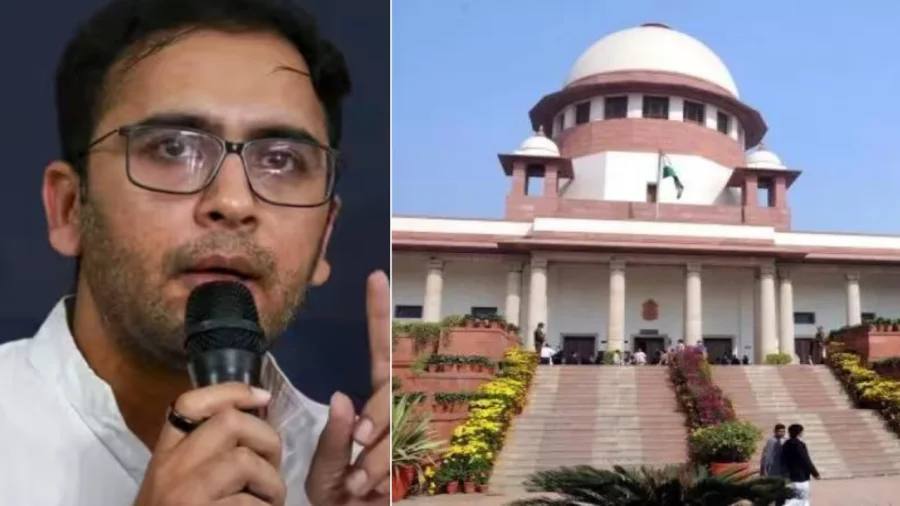
The evening news wrap brings two significant judicial developments that are set to dominate headlines: the Chief Justice of Pakistan (CJP) warning of another protest, and the Supreme Court of India slamming police action against students during NEET protests. Together, they highlight growing judicial discomfort with the handling of student demonstrations.
Supreme Court's Stinging Criticism of Police Conduct
The Supreme Court today pulled up the police for what it described as "excessive use of force" against students protesting the NEET exam irregularities. The bench observed that peaceful protest is a fundamental right and that law enforcement cannot treat student agitators as ordinary criminals.
Why This Matters: Student Rights Under Judicial Microscope
The court's strong remarks come amid national debate over the NEET paper leak and alleged irregularities. For lakhs of aspirants, the protest is about fairness. For the judiciary, it is about protecting democratic expression. The police action – widely criticised online – now faces legal accountability.
CJP Warns of Another Protest – What We Know
Meanwhile, the Chief Justice of Pakistan reportedly cautioned that unless demands related to NEET (or a similar exam) are met, another round of protests may erupt. The warning underscores the volatile mood among students and the potential for wider unrest across the border as well, though exact details remain unverified.
How the Situation Developed: Timeline of Today's Hearings
Earlier today, a Supreme Court bench heard petitions challenging the police lathi-charge on NEET protesters in several states. The court immediately expressed displeasure, summoning senior police officials for an explanation. Separately, the CJP’s comment emerged during a related proceeding in Pakistan’s top court, linking the NEET issue to regional discontent.
Human Impact: Who Is Affected?
NEET aspirants – many of them from rural and low-income backgrounds – bore the brunt of police action. Parents expressed fear for their children’s safety. The judicial intervention brings some reassurance, but uncertainty over exam dates and results continues to cause anxiety among 20 lakh+ candidates.
Official Response: Court's Directives
The Supreme Court directed police not to register FIRs against student protesters without prior permission from a magistrate. It also asked the government to ensure that future protests remain peaceful and that law enforcement exercises restraint. The CJP’s warning was noted but not formally recorded in the Indian proceedings.
Analysis: Why the Judiciary Is Stepping In
The twin judicial actions signal a shift – courts are increasingly willing to protect student protest rights, especially when exam controversies threaten merit. The NEET case has become a test case for how India and Pakistan balance exam integrity with public order.
Confirmed Facts vs What Remains Unclear
Confirmed: The Supreme Court criticised police action; the CJP made a statement about a possible protest. Unclear: The exact wording of the CJP’s warning; whether it referred to the Indian NEET or a separate Pakistani exam; the full text of the Supreme Court’s order is yet to be released.
Risks and Balanced View
While the court has backed students, some argue that blanket immunity could encourage unruly protests. Others point out that police have a duty to prevent vandalism. The challenge is to distinguish peaceful dissent from unlawful assembly – a line the judiciary is now trying to define.
Wider Trend: Judicial Activism in Education Disputes
This is not an isolated incident. Courts in both India and Pakistan have recently intervened in exam paper leaks, admissions fraud, and fee regulation. The trend suggests that the judiciary sees education as a fundamental right requiring active protection.
Practical Reader Guidance
For affected students: Stay updated on court orders via official Supreme Court website or trusted news sources. Do not share unverified protest videos. If you are a NEET aspirant, continue preparing – the exam schedule is likely to be modified, but preparation remains your best bet.
Future Outlook
Another hearing is expected next week. The CJP may issue a formal order. Student unions have threatened fresh protests if no concrete action is taken on NEET irregularities. Observers believe the court’s strong language may force the government to offer a compromise.
Our Take
The evening news wrap reminds us that when students – often the most vulnerable exam-takers – face force, the judiciary becomes their last resort. However, without full transparency on the police action and the exam process, the cycle of protest and crackdown may continue. A lasting solution requires systemic reform, not just court rebukes.
Frequently Asked Questions
What did the Supreme Court say about NEET police action?
The court criticised the use of force against student protesters and directed police to seek prior magistrate approval before arresting any demonstrator. It termed the action "harsh" and asked for restraint.
Who is CJP and what did he warn about?
CJP likely refers to the Chief Justice of Pakistan or a Chief Judicial Magistrate. According to the headline, he warned that another protest may happen if demands – likely related to the NEET exam – are not addressed.
Will the NEET exam be postponed?
No official announcement has been made. The Supreme Court’s remarks focus on protest handling, not the exam schedule. However, ongoing controversy could lead to a review.
How should students protest peacefully?
Students should obtain prior permission from local authorities, avoid violence, carry clear placards, and cooperate with police. Legal aid numbers should be kept handy in case of any detention.
Is this news from India or Pakistan?
The Supreme Court reference is Indian; the CJP reference appears to be from Pakistan, making this a cross-border news wrap covering similar themes in both countries.



