
Summary
The Neelakurinji, a rare flower famous for blooming once every 12 years, is facing a serious threat to its survival. A recent report from a top botanical institute warns that too many tourists and the building of new roads and hotels are destroying the plant's natural home. These activities are making it harder for the flowers to grow and complete their unique life cycle in the mountains of the Western Ghats.
Main Impact
The biggest problem is the loss of habitat. As more people visit the hills to see the flowers, the land is being changed to fit their needs. This includes building more resorts, wider roads, and other facilities. When the natural grassland is replaced by concrete or busy paths, the Neelakurinji loses the specific environment it needs to live. This disruption does not just kill individual plants; it stops the natural processes that allow the species to return every decade.
Key Details
What Happened
The Jawaharlal Nehru Tropical Botanic Garden and Research Institute (JNTBGRI) recently shared its findings in a legal document. They explained that the areas where these flowers grow are shrinking fast. The institute pointed out that when tourism is not controlled, it leads to soil damage and pollution. They also noted that building projects in high-altitude areas are breaking up the land, leaving only small, separated patches where the flowers can still grow.
Important Numbers and Facts
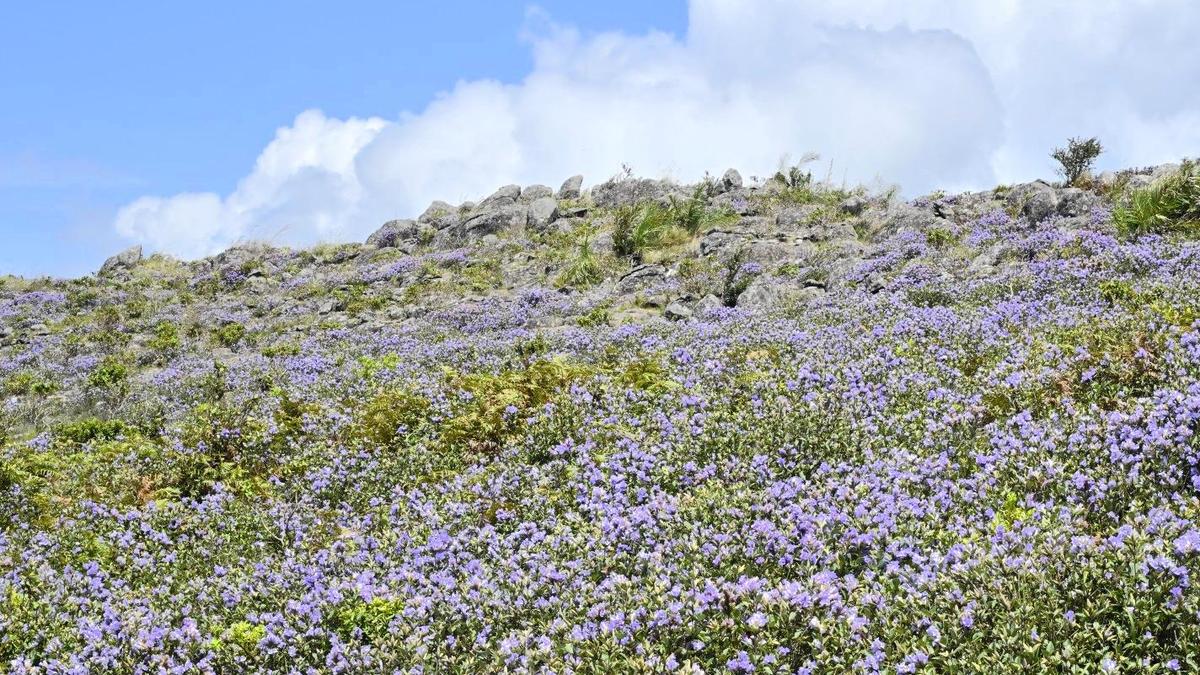
The Neelakurinji, known scientifically as Strobilanthes kunthiana, is famous for its massive blooming events that turn entire hillsides purple. These events happen only once every 12 years. Because the plant takes so long to bloom and produce seeds, any damage to the soil or the young plants can wipe out an entire generation. The report highlights that the Western Ghats, where these plants live, is one of the most important biological areas in the world, yet it is under constant pressure from human growth.
Background and Context
The Neelakurinji is more than just a pretty flower; it is a vital part of the mountain ecosystem. It grows mostly in the "shola" grasslands of South India. These grasslands act like a sponge, holding rainwater and feeding the rivers that millions of people rely on. For a long time, the blooming of the Neelakurinji was a quiet natural event. However, in recent years, it has become a major social media trend. This has brought millions of visitors to small mountain towns like Munnar, putting a huge strain on the local environment.
Public or Industry Reaction
Environmental experts and local nature lovers are deeply worried about these findings. Many believe that the local government needs to set a limit on how many people can visit these sensitive areas at one time. While tourism brings money to the region, many people now argue that the long-term cost of losing the Neelakurinji is too high. There are calls for stricter building rules to stop hotels from moving further into the protected grasslands.
What This Means Going Forward
If things do not change, the famous purple hillsides might disappear forever. To save the Neelakurinji, experts suggest a move toward "responsible tourism." This means visitors would have to follow strict rules to ensure they do not step on plants or leave trash behind. The government may also need to stop new construction projects in specific zones. Protecting the land is the only way to make sure that the next bloom, and the ones after that, can still happen naturally.
Final Take
The Neelakurinji is a symbol of the natural beauty of the Western Ghats, but its survival is now at risk because of human greed and poor planning. We must choose between short-term profits from tourism and the long-term survival of a rare natural wonder. Protecting these flowers is not just about saving a plant; it is about keeping the mountains healthy for everyone. Without quick action, the 12-year wait for the next bloom might end in disappointment.
Frequently Asked Questions
Why does the Neelakurinji bloom only every 12 years?
This is a natural survival strategy. By blooming all at once after a long time, the plants produce so many seeds that local animals cannot eat them all, ensuring that many seeds survive to grow into new plants.
How does tourism hurt the flowers?
Too many visitors lead to soil packing, which makes it hard for seeds to grow. Tourists also leave trash and sometimes pick the flowers, which prevents the plant from spreading its seeds for the next cycle.
Where can these flowers be found?
They are mostly found in the high-altitude grasslands of the Western Ghats in India, particularly in states like Kerala, Tamil Nadu, and Karnataka.



