
Summary
The NDA government faced a major political setback in the Lok Sabha after the Opposition successfully blocked a key bill. The proposed law focused on women's quotas and the process of delimitation, which involves redrawing the boundaries of voting districts. This event marks the first time the current government has lost a legislative vote in the lower house of Parliament. The defeat highlights a changing balance of power and a more united front from the Opposition parties.
Main Impact
This legislative defeat has immediate and significant consequences for the government’s policy goals. By stopping the bill, the Opposition has effectively paused the government’s plan to link women's seat reservations to the next census and the redrawing of constituency maps. This loss shows that the ruling coalition can no longer pass major laws without facing strong resistance. It also means that the implementation of the women's quota, which many citizens have waited for, will likely face further delays as the government goes back to the drawing board.
Key Details
What Happened
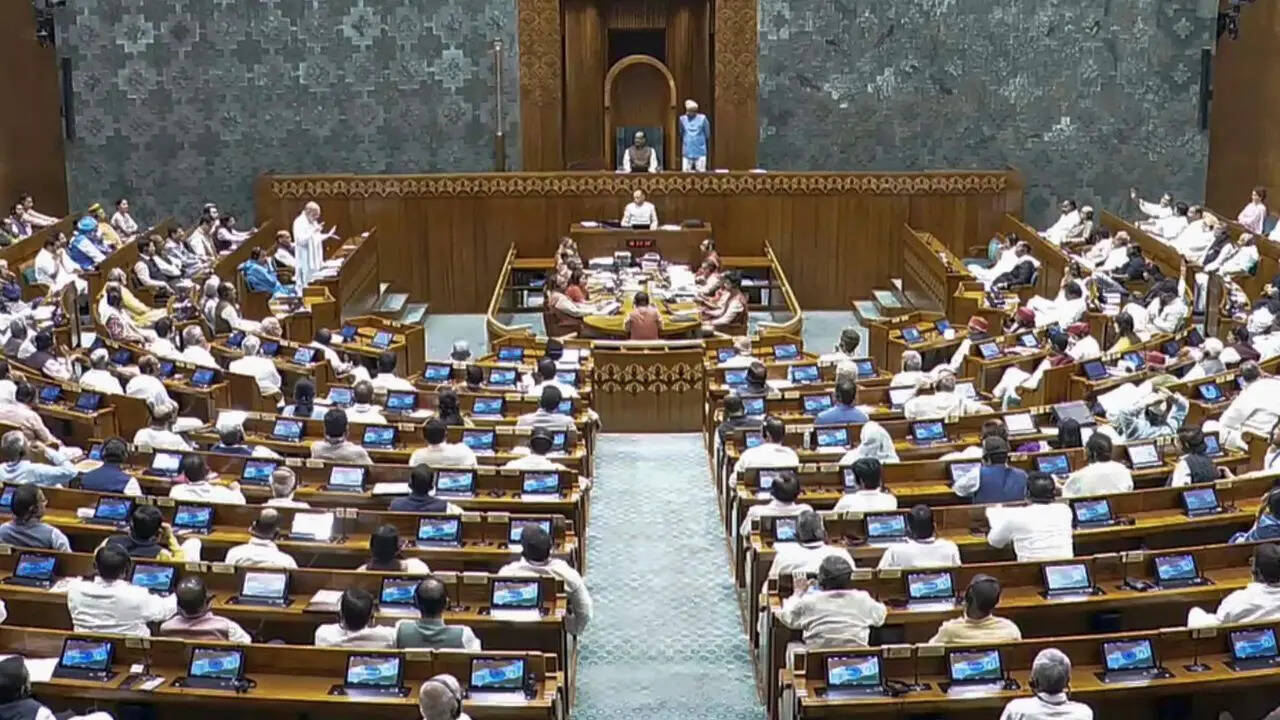
The bill was brought to the Lok Sabha for a final vote after days of heated debate. The government aimed to move forward with a plan that would reserve one-third of seats for women in the Lok Sabha and state assemblies. However, the bill included a condition that this quota would only start after a new census and a delimitation exercise were completed. The Opposition parties argued that this was a way to delay the actual benefits for women for many years. When the time came to vote, the Opposition gathered enough numbers to defeat the motion, handing the NDA its first legislative loss.
Important Numbers and Facts
The bill proposed a 33 percent reservation for women in legislative bodies. Under the current plan, this would apply to the 543 seats in the Lok Sabha. However, the delimitation process, which the bill relied on, has been a sensitive topic because it changes how many seats each state gets based on its population. The last time a major change like this was discussed, it raised concerns among states that have successfully controlled their population growth. The defeat in the house shows that the government fell short of the simple majority needed for this specific stage of the legislative process.
Background and Context
The idea of giving women a fixed number of seats in Parliament has been discussed in India for nearly thirty years. While there is general agreement that women need more representation, political parties often disagree on how to do it. The current government introduced the "Nari Shakti Vandan Adhiniyam" to address this. However, the decision to tie the quota to "delimitation" became a major point of conflict. Delimitation is the process of fixing limits or boundaries of territorial constituencies in a country to reflect changes in population. Because the next census has been delayed, critics argued that the women's quota might not actually happen until 2029 or even later. The Opposition insisted that the quota should be implemented immediately without waiting for new maps to be drawn.
Public or Industry Reaction
The reaction to the vote has been divided along party lines. Opposition leaders celebrated the result, calling it a victory for "fair play" and a blow against what they described as a "hollow promise." They claimed the government was trying to use the women's quota as a political tool without giving women real power right now. On the other side, government supporters expressed disappointment. They argued that the Opposition is standing in the way of a historic reform that would empower millions of women. Social activists have also weighed in, with some expressing frustration that the quota is once again stuck in political fighting, while others agree that the link to delimitation was an unnecessary hurdle.
What This Means Going Forward
Moving forward, the NDA government will need to change its approach if it wants to pass similar laws. This defeat proves that the Opposition is now better organized and able to challenge the government’s numbers in the Lok Sabha. The government may try to bring a new version of the bill that addresses the concerns about the census and delimitation. There is also a possibility that they will try to build a consensus by talking to smaller regional parties. For the public, this means the wait for a 33 percent reservation for women continues. The political climate is likely to remain tense as both sides prepare for future legislative battles.
Final Take
This legislative defeat is a turning point for the current administration. It signals that the days of passing bills with ease are over and that every major policy will now require careful negotiation. While the goal of increasing women's participation in politics remains a priority for the country, the path to achieving it has become much more complicated. The government must now decide whether to compromise with the Opposition or risk more defeats in the future.
Frequently Asked Questions
What was the main reason the bill was defeated?
The bill was defeated because the Opposition disagreed with linking the women's quota to the census and the redrawing of voting district boundaries, which they felt would delay the law for too long.
What does delimitation mean in simple terms?
Delimitation is the process of changing the boundaries of parliamentary or assembly seats to make sure each seat has a similar number of voters based on the latest population data.
Will the women's quota still happen?
The quota is not cancelled forever, but this specific bill has been stopped. The government will likely need to introduce a new or revised bill to try and pass the law again in the future.



