
Summary
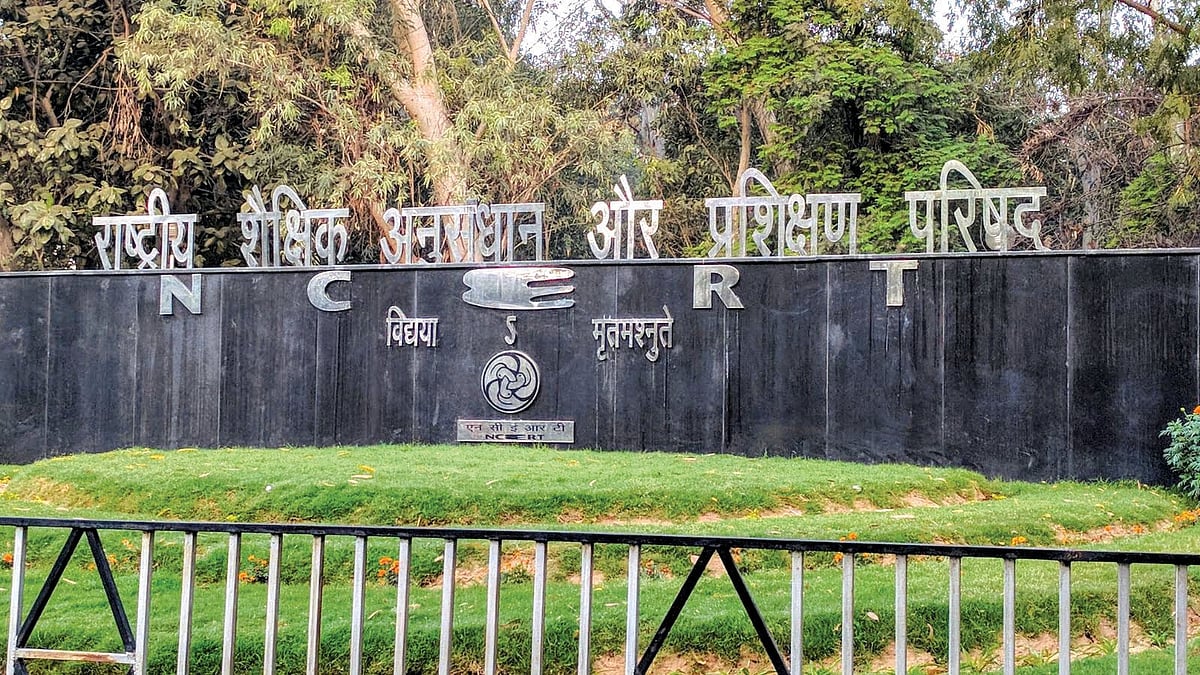
A major controversy recently broke out over a new school textbook published by the National Council of Educational Research and Training (NCERT). The Class 8 Social Science book included a small section discussing corruption within the Indian judiciary. This mention led to a swift and strong reaction from the Supreme Court, which questioned the intent behind the text. Following the court's intervention, the NCERT apologized and withdrew the book from circulation, sparking a debate about whether certain topics are off-limits in a democracy.
Main Impact
The most immediate effect of this event was the total removal of the textbook from schools. Thousands of copies that had already been sent out were recalled. This move sends a strong message to educators and writers that criticizing the legal system, even in a mild way, can lead to serious legal trouble. It also highlights a growing sensitivity within the judiciary toward public criticism. Many people are now worried that this will lead to a lack of honesty in school books, where real-world problems are ignored to avoid upsetting powerful institutions.
Key Details
What Happened
The NCERT is responsible for creating the books used by millions of students in CBSE schools across India. As part of a regular update, they released a new Social Science book for eighth graders. One chapter focused on the judiciary and how the court system works. Inside that chapter, a small section titled "Corruption in the Judiciary" explained that people sometimes face dishonest practices in courts. It noted that these problems make it harder for poor people to get a fair trial. It also mentioned other issues like the high number of pending cases and the lack of enough judges.
Important Numbers and Facts
The reaction from the legal community was very fast. A national newspaper put the story on its front page, which caught the attention of the Supreme Court. The court took up the case on its own, which is a rare move usually reserved for very urgent matters. The Chief Justice of India suggested there might be a "conspiracy" to make the courts look bad. This happened despite the fact that over 8,600 corruption complaints have been filed against members of the higher judiciary in the last ten years. Instead of defending the book, the NCERT quickly apologized and stopped printing it.
Background and Context
This topic matters because textbooks are the primary way children learn about how their country is run. Usually, these books describe the ideal version of government branches like the legislature, the executive, and the judiciary. However, the NCERT tried to show a more realistic view by mentioning the challenges these branches face. Corruption is a known issue in many parts of the government, and the textbook aimed to explain why it is a hurdle for justice. By removing this information, the education system may be moving toward a style of teaching that avoids difficult truths.
Public or Industry Reaction
The reaction has been split. On one side, the Supreme Court and some media outlets felt the textbook was an attack on the dignity of the courts. They argued that such statements could lower public trust in the law. On the other side, many writers and activists pointed out the irony of the situation. They noted that the Supreme Court often stays silent on issues like hate speech in the media or when the government ignores court orders. Critics argue that the court showed extreme urgency in silencing a school book but does not always show the same speed when dealing with human rights issues or government overreach.
What This Means Going Forward
This event could lead to a "chilling effect" on writers and publishers. If the highest court in the land threatens "contempt of court" over a textbook, other authors will likely be too afraid to write about any flaws in the system. This could result in a future where students only learn a one-sided, perfect version of history and politics. Furthermore, it suggests a partnership between the government and the courts where neither side questions the other's methods of silencing critics. This lack of transparency could weaken the democratic checks and balances that keep the country fair.
Final Take
A healthy democracy requires the ability to look at its own flaws and fix them. When a simple mention of corruption in a school book is treated as a legal threat, it suggests that the institution is more interested in protecting its image than addressing its problems. Education should prepare students to understand the world as it is, not just as we want it to appear. If we cannot talk about the problems in our courts, we will never be able to solve them. The real strength of the judiciary should come from its fairness and openness, not from its power to stop people from speaking.
Frequently Asked Questions
Why was the NCERT textbook withdrawn?
The book was withdrawn because it contained a section about corruption in the judiciary. The Supreme Court took notice of the text and suggested it might be part of a plan to defame the courts, leading the NCERT to apologize and recall the books.
What did the textbook actually say about the courts?
The book stated that people encounter corruption at various levels of the legal system. it explained that this makes it difficult for poor and marginalized groups to get justice and mentioned that the system is also slowed down by a lack of judges and complex rules.
Is it common for the Supreme Court to intervene in school books?
No, it is very unusual. The court typically deals with legal disputes between parties. Taking action on its own regarding the content of a middle-school textbook is a rare occurrence that has surprised many legal experts and educators.

