
Summary
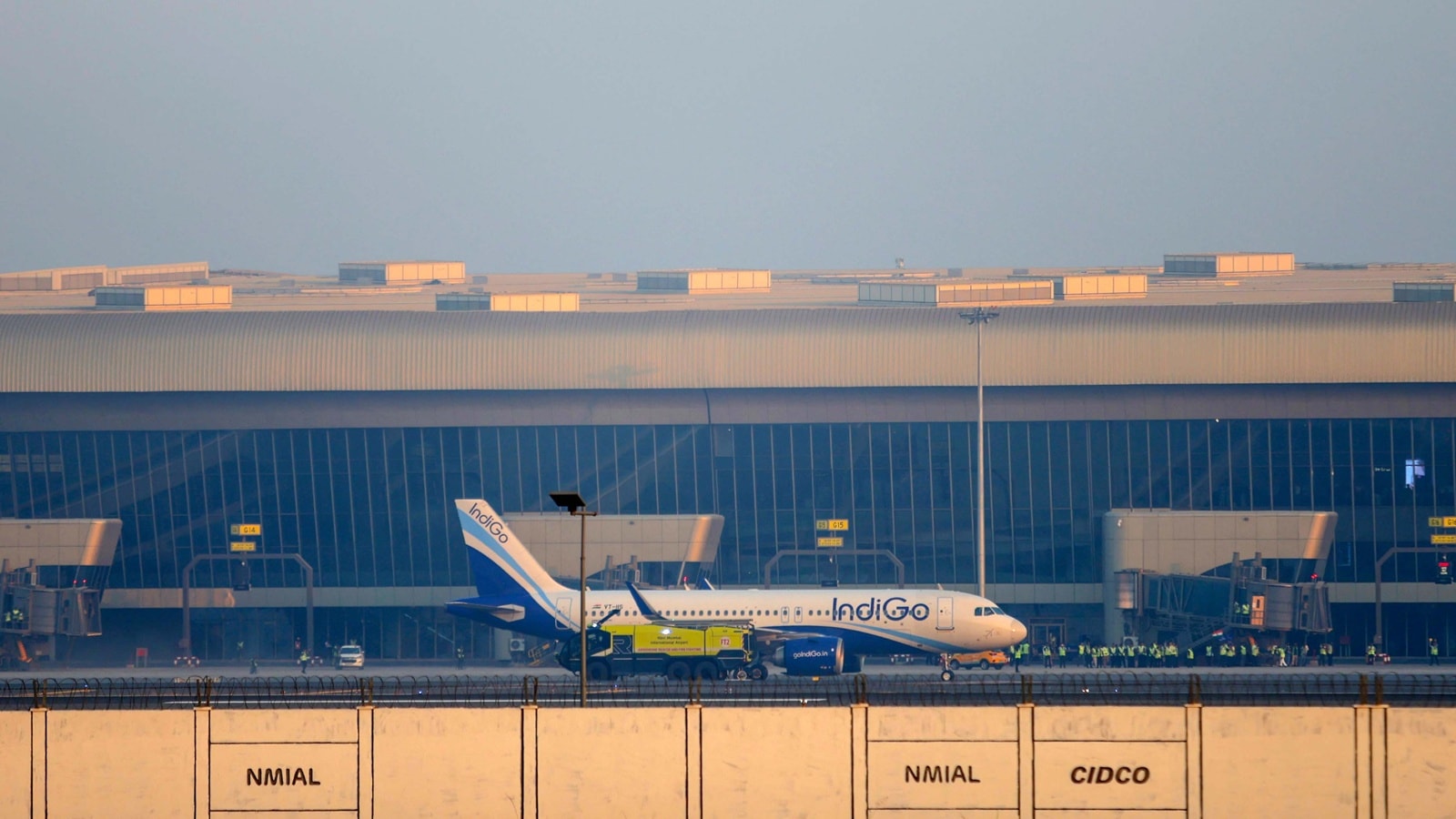
Navi Mumbai International Airport is set to become one of India’s most important travel hubs. While the airport itself is a modern marvel, a major problem is emerging for future travelers. Even though the planes will land on time, passengers may find it very difficult to get to their homes or offices. The lack of finished train lines and clear road paths means that the "last mile" of the journey could take longer than the flight itself.
Main Impact
The biggest concern is the massive gap between the airport’s completion and the transport systems needed to support it. When the airport opens, it will bring thousands of people into the area every hour. However, the roads are already crowded, and the planned metro lines are not yet ready. This situation could lead to extreme traffic jams and high travel costs for anyone trying to leave the airport grounds. It threatens to make the new airport a frustrating experience for the very people it was built to serve.
Key Details
What Happened
For years, the focus has been on building the runways and terminals of the Navi Mumbai International Airport. While the construction of the airport is moving fast, the transport links have fallen behind. The main road connecting the airport to Mumbai is the Sion-Panvel Highway, which is already famous for heavy traffic. Without a dedicated train or metro connection ready on day one, passengers will have to rely almost entirely on cars and buses. This creates a bottleneck that could trap travelers for hours after they land.
Important Numbers and Facts
The new airport is designed to handle about 20 million passengers every year in its first phase. Eventually, that number is expected to grow to 90 million. To move this many people, the city planned several projects, including the Navi Mumbai Metro and a special "Airport Express" line. However, the metro projects have faced many delays. While the Atal Setu bridge (MTHL) provides a fast way to cross the water from Mumbai, it does not solve the problem of getting from the bridge exit to the actual airport terminal smoothly.
Background and Context
Mumbai’s current airport, Chhatrapati Shivaji Maharaj International Airport, is one of the busiest in the world. It has reached its limit and cannot grow any further because it is surrounded by the city. The Navi Mumbai Airport was planned to take the pressure off the old one. It is located across the harbor and is meant to serve as a second gateway to India’s financial capital. However, an airport is only as good as its connection to the city. In many global cities, airports are linked by high-speed trains that take passengers directly to the city center. In Navi Mumbai, that link is still a long way from being finished.
Public or Industry Reaction
Travel experts and local residents have expressed concern about this situation. Many people feel that the government should have finished the metro and rail links before opening the airport. Business travelers, who value their time, are worried that the long commute will make the new airport less useful. Transport experts have pointed out that relying only on roads will lead to a rise in taxi prices and more pollution in the Navi Mumbai area. There is a general feeling that the planning for the airport was great, but the planning for the passengers' journey home was not given enough attention.
What This Means Going Forward
In the short term, passengers should expect to spend a lot of time in traffic when using the new airport. Taxis and app-based cabs will likely be the only way to get around, which could be expensive. In the long term, the government is working to speed up the metro and suburban railway extensions. Once these are finished, the situation will improve. However, for the first few years of operation, the "last-mile" struggle will be a major challenge for everyone involved. The success of the airport will depend on how quickly these transport projects can catch up.
Final Take
Building a world-class airport is a huge achievement, but it is only half the job. A modern airport needs fast and easy ways for people to reach their final destinations. Until the trains and better road links are fully operational, the Navi Mumbai Airport will be a high-tech facility that is hard to reach. Travelers will need to plan for extra travel time and be prepared for a slow journey once they step off the plane.
Frequently Asked Questions
Why is it hard to get home from the new airport?
The main reason is that the metro and train lines are not finished yet. This leaves passengers with very few options other than using crowded roads.
Will there be buses or taxis available?
Yes, there will be taxis and buses, but because the roads are already very busy, these trips are expected to take a long time and may be expensive.
When will the metro be ready?
Work is ongoing, but a full connection to the main parts of Mumbai and Navi Mumbai is expected to take several more years to complete.



