
Summary
The White House has announced that Scott Socha, a top executive from a private hospitality company, is no longer the nominee to lead the National Park Service. Socha decided to step down from consideration for the role, citing personal reasons for his departure. This move comes at a difficult time for the agency, as the Trump administration continues to push for major budget cuts and a significant reduction in the number of park employees.
Main Impact
The withdrawal of the nominee leaves the National Park Service without a permanent leader during a period of massive change. The agency is currently facing a plan to cut its workforce by nearly one-third and reduce its yearly budget by more than $1 billion. Without a Senate-confirmed director, the agency must rely on temporary leadership to manage these deep cuts and handle the daily operations of hundreds of national sites across the country.
Key Details
What Happened
Scott Socha was nominated for the position in February. He is currently an executive at Delaware North, a company that manages food, lodging, and entertainment services at many famous parks. While the White House initially praised him as highly qualified, some groups that focus on nature protection were worried about his lack of experience in government and conservation. On Monday, the White House confirmed that Socha would not be moving forward with the job. Currently, the agency is being run by Jessica Bowron, who serves as the acting director and comptroller.
Important Numbers and Facts
The administration has proposed a very different future for the National Park Service through its budget plans. The goal for the next year is to limit the number of employees to just 9,200 people. This is a 30% drop compared to the staffing levels seen in 2025. Additionally, the administration wants to cut the operating budget by $1.1 billion, which would leave the agency with $2.2 billion for the 2027 fiscal year. These changes follow a trend of thousands of workers leaving or being fired since the start of the current presidential term.
Background and Context
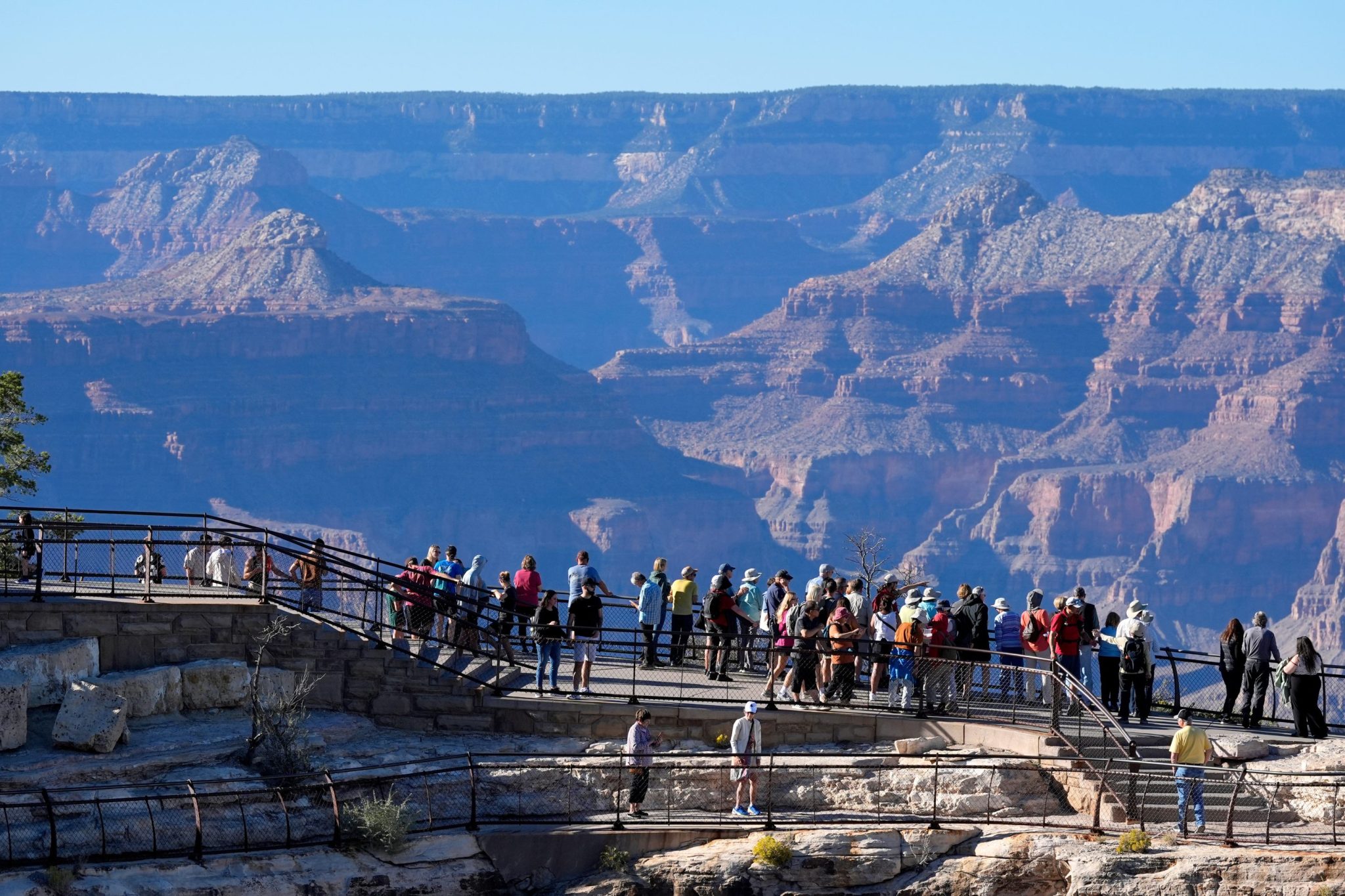
The National Park Service is responsible for protecting America's most famous natural areas, like the Grand Canyon, as well as historical monuments and cultural sites. For several years, there has been a debate over how these parks should be managed. The current administration has focused on reducing government spending and running the parks more like a business. This has led to new policies, such as charging international visitors $100 to enter major parks and placing the president’s image on annual park passes.
This is not the first time the agency has lacked a permanent leader. During President Trump’s first term, the National Park Service never had a director who was officially confirmed by the Senate. Instead, it was led by a series of acting directors. Supporters of the parks argue that this lack of steady leadership makes it harder to protect the land and serve the millions of people who visit every year.
Public or Industry Reaction
Reaction to the news has been mixed. Groups like the National Parks Conservation Association have expressed concern that the parks have gone too long without a permanent leader. They believe the agency needs someone who can fix the damage caused by recent staff cuts and budget uncertainty. Many conservationists were also worried that a leader from the hospitality industry might prioritize profits over the protection of natural resources.
There has also been significant public pushback regarding changes to park exhibits. The administration has ordered the removal of certain displays related to slavery, climate change, and Native American history, calling them "disparaging." In one case, a federal judge ordered the government to put back an exhibit about enslaved people at George Washington’s former home in Philadelphia after it was taken down. Critics have accused the administration of trying to change how American history is told in public spaces.
What This Means Going Forward
The search for a new director will now have to start over. In the meantime, the National Park Service will continue to be managed by acting officials. The biggest challenge ahead will be the upcoming budget battles in Congress. While the administration wants to cut spending deeply, some lawmakers have tried to block these cuts in the past to prevent the agency from being "gutted." Visitors may notice changes in the parks, such as fewer staff members available to help or higher fees for those traveling from other countries. The legal battles over park exhibits and the design of park passes are also expected to continue in the courts.
Final Take
The National Park Service is facing a period of high stress and shrinking resources. The loss of a permanent director nominee adds more uncertainty to an agency already struggling with staff losses and massive budget cuts. As the government moves forward with plans to reshape the park system, the focus will remain on whether the agency can still fulfill its mission of protecting America's heritage with fewer people and less money.
Frequently Asked Questions
Why did Scott Socha withdraw his nomination?
Scott Socha stated that he was stepping down from consideration for the position of National Park Service director for personal reasons.
How much will the National Park Service budget be cut?
The administration has proposed cutting the operating budget by more than $1 billion, which would reduce the total budget to $2.2 billion for the 2027 fiscal year.
Who is currently leading the National Park Service?
The agency is currently being led by acting director Jessica Bowron, who also serves as the agency's comptroller.



