
Summary
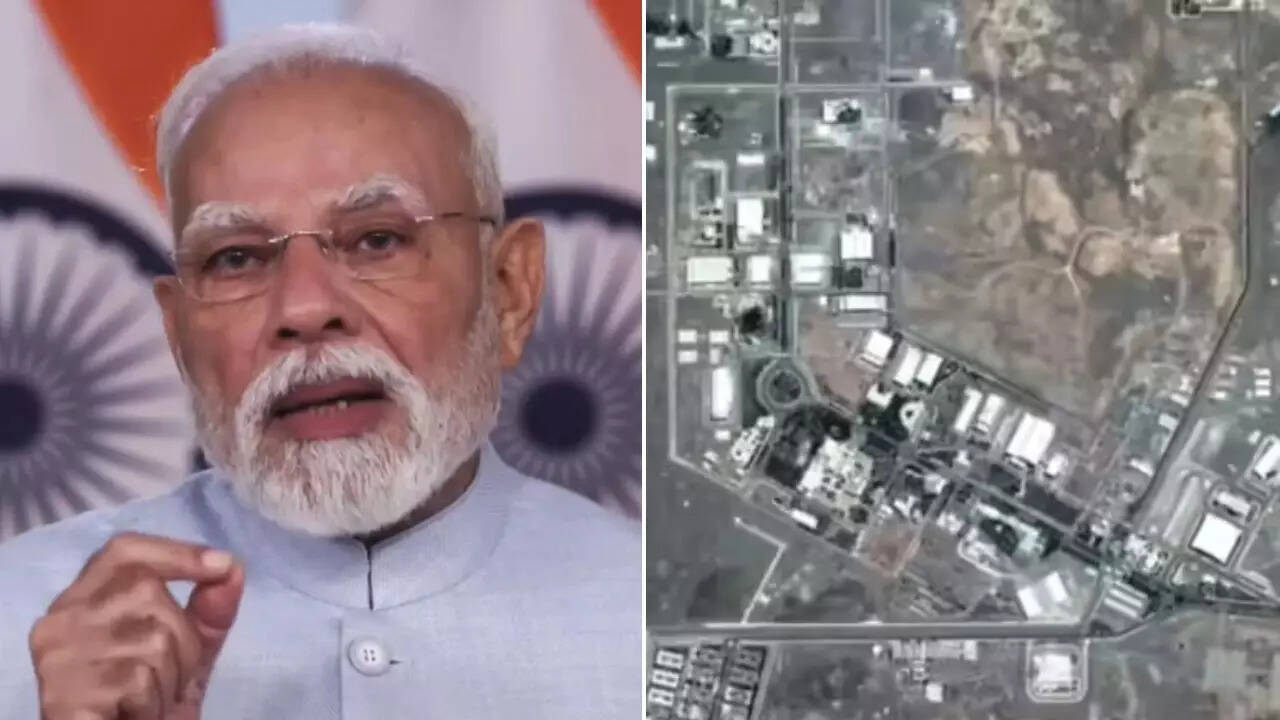
Prime Minister Narendra Modi held a significant phone call with the President of Iran to discuss the growing tension in the Middle East. During this conversation, reports emerged that the United States and Israel have carried out a new military strike against Iran’s Natanz nuclear facility. These events show a deepening crisis in the region that could affect global security and energy prices. India is trying to maintain its diplomatic ties while the military conflict between Iran and Western allies reaches a new peak.
Main Impact
The most immediate impact of these events is the high risk of a larger war in the Middle East. By striking the Natanz facility, the US and Israel are sending a clear message that they will use force to stop Iran’s nuclear progress. This action often leads to higher oil prices, which can make daily life more expensive for people all over the world. For India, the impact is double-sided. India needs to keep a good relationship with Iran for trade and energy, but it also maintains strong ties with the US and Israel. This puts the Indian government in a difficult position as it tries to balance its interests.
Key Details
What Happened
On March 21, 2026, Prime Minister Modi reached out to the Iranian leadership. The goal of the call was to talk about regional peace and the safety of trade routes. Almost at the same time, news broke regarding a coordinated attack on the Natanz nuclear site. This facility is located deep underground and is where Iran processes materials for its nuclear program. Early reports suggest that the strike involved both air power and advanced technology to bypass Iran’s defense systems. This is not the first time this site has been targeted, but the timing of this strike is particularly sensitive given the current political climate.
Important Numbers and Facts
The Natanz facility is one of Iran’s largest nuclear sites. It houses thousands of centrifuges, which are machines used to enrich uranium. Uranium enrichment is a process that can create fuel for power plants or, if done at high levels, material for a nuclear bomb. Over the last few years, there have been at least three major incidents at this specific location. Following the latest strike, global oil markets saw a price increase of nearly 3% within just a few hours. India currently has billions of dollars invested in Iranian infrastructure, including the Chabahar port, which serves as a key gateway for Indian goods moving toward Central Asia.
Background and Context
To understand why this matters, we have to look at the long history of disagreement over Iran’s nuclear goals. The United States and Israel believe that Iran is trying to build nuclear weapons, which they see as a major threat to the world. Iran has always claimed its nuclear program is only for peaceful purposes, like making electricity and helping with medical research. Because of these suspicions, the US has placed many rules, called sanctions, on Iran to stop it from selling oil and growing its economy. India often finds itself in the middle because it buys oil from the region and uses Iranian land to ship products to other countries. When fighting breaks out, these trade routes become dangerous and expensive to use.
Public or Industry Reaction
The international community has reacted with a mix of support and deep concern. Some leaders in the West believe the strike was necessary to prevent a bigger threat in the future. However, many other countries are worried that this will lead to a cycle of revenge. Shipping companies have already started to change their routes to avoid the waters near Iran, fearing that their ships might be caught in the crossfire. In India, business experts are watching the situation closely. They worry that if the conflict continues, the cost of petrol and diesel will go up, which usually leads to higher prices for food and other basic goods.
What This Means Going Forward
In the coming weeks, the world will be watching to see how Iran responds. There is a high chance that Iran might try to block important shipping lanes or launch its own strikes in return. Diplomats from many countries are expected to meet to try and stop the fighting from getting worse. For India, the next step will be to continue talking to all sides. Prime Minister Modi’s call shows that India wants to be seen as a peacemaker. If the situation stays tense, we might see more countries moving their military forces into the region to protect trade ships and oil tankers.
Final Take
The strike on the Natanz facility and the high-level talks between India and Iran show that the world is at a turning point. While military actions are being used to stop nuclear growth, the human and economic costs are rising. The success of diplomacy now depends on whether leaders can find a way to talk instead of fight. For the average person, these global events are a reminder of how connected the world is, as a conflict thousands of miles away can quickly change the price of goods at the local store.
Frequently Asked Questions
What is the Natanz nuclear facility?
Natanz is a major Iranian site used for enriching uranium. It is considered a central part of Iran's nuclear program and is located mostly underground for protection.
Why did PM Modi call the Iranian President?
The call was made to discuss regional stability and to maintain India's diplomatic and economic relationship with Iran during a time of high military tension.
How does this conflict affect oil prices?
When there is fighting near major oil-producing countries or shipping routes, investors worry about the supply of oil. This fear causes the price of oil to go up globally.



