
Summary
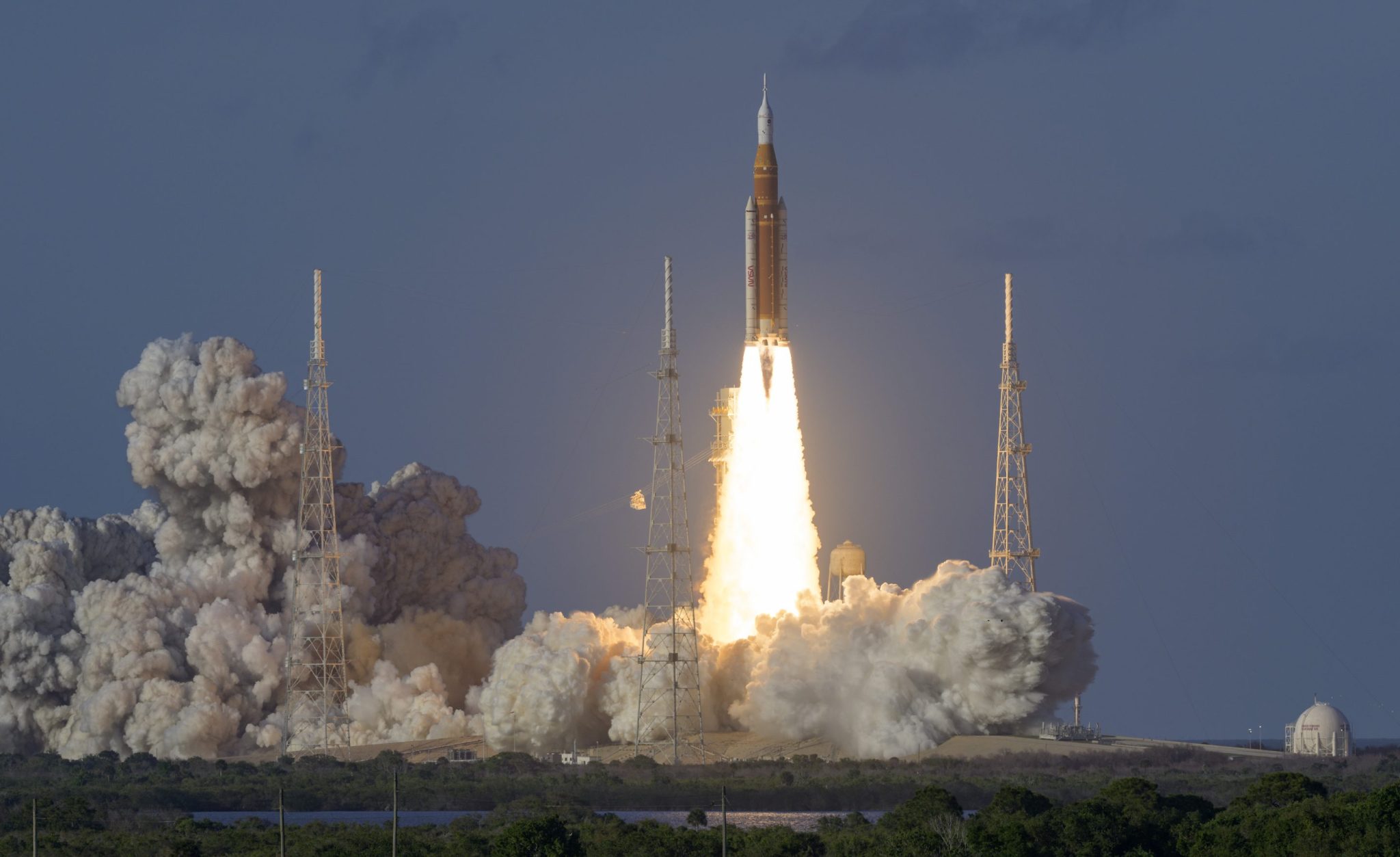
Boeing’s massive moon rocket, known as the Space Launch System (SLS), is facing an uncertain future as the Trump administration looks for cheaper ways to reach space. Although the rocket recently helped send astronauts on a historic trip around the moon, NASA is already asking other companies to propose better options. The new head of NASA, Jared Isaacman, wants to move away from expensive, older systems and use private companies like SpaceX instead. This shift aims to make space travel faster and more affordable, but it also puts billions of dollars in government contracts at risk.
Main Impact
The push to replace the SLS rocket marks a major change in how the United States explores space. For decades, NASA relied on a few large companies to build its equipment using government funds. Now, the government wants to treat space travel more like a competitive business. If NASA switches to commercial rockets, it could save billions of dollars every year. However, this move could also lead to job losses at traditional aerospace companies and cause political tension in states where these rockets are built. The decision will determine whether the U.S. can build a permanent base on the moon before other countries do.
Key Details
What Happened
Just days before the Artemis II mission sent four crew members toward the moon, NASA began asking private companies for new ideas. This move suggests that the government is ready to move on from the SLS rocket, which has been in development for about ten years. Jared Isaacman, the billionaire appointed by President Trump to lead NASA, has already taken bold steps to change the agency's direction. He recently canceled a multi-billion dollar contract with Boeing for a new part of the rocket and paused plans for a lunar space station called Gateway. Instead, he wants to focus all resources on landing humans on the moon's surface as quickly as possible.
Important Numbers and Facts
The costs associated with the SLS program are very high. The government has spent about $24 billion so far to develop the rocket. Each time the rocket launches, it costs taxpayers roughly $4 billion. This price is four times higher than what was originally planned. Additionally, the program has faced many years of delays. While the SLS is currently the only rocket powerful enough to send humans to the moon, competitors like SpaceX and Blue Origin are working on their own versions. The Trump administration has set a goal to land astronauts on the moon by 2028, which adds a lot of pressure to find a reliable and affordable solution quickly.
Background and Context
The SLS rocket was created using parts and technology from older NASA programs, like the Space Shuttle. Because it uses parts made by hundreds of different companies across all 50 states, it has a lot of support in Congress. Lawmakers often protect the program because it provides thousands of jobs in their home districts. In the past, when leaders tried to cut funding for the rocket, members of Congress fought back to keep it alive. However, the high cost of the rocket makes it difficult to fly often. To build a permanent base on the moon, NASA needs a rocket that can fly many times a year without costing billions of dollars each time.
Public or Industry Reaction
The reaction to these changes has been mixed. Private space groups are excited, calling this the most "pro-business" NASA leadership they have ever seen. They believe competition will lead to better technology and lower prices. On the other hand, traditional companies like Boeing and Lockheed Martin are defending their work. Boeing stated that it is a proud partner in the moon missions, while Lockheed Martin pointed out that its crew capsule is the only one already proven to work in deep space. In Congress, some representatives are worried about losing local jobs. They argue that the U.S. should keep using the SLS because it is already built and tested, rather than waiting for new companies to prove themselves.
What This Means Going Forward
The next few years will be a trial period for the American space program. NASA is currently looking for alternatives for missions scheduled after 2028. If companies like SpaceX can prove that their rockets are safe for humans and can reach the moon, the SLS rocket may be phased out entirely. The biggest risk is the timeline. China is also planning to send people to the moon by the end of the decade. If the U.S. spends too much time switching between different rocket designs, it could lose the race to build the first lunar base. NASA must now balance the need for new, cheaper technology with the reliability of the older systems it already has.
Final Take
The era of slow, expensive government rockets is coming to an end. While Boeing’s SLS rocket was a major achievement, its high price tag has made it a target for a government focused on efficiency. The success of the moon program now depends on whether private companies can deliver on their promises. If they can, space travel will become much more common. If they fail, the U.S. may regret moving away from the proven, though costly, technology that got it back to the moon in the first place.
Frequently Asked Questions
Why is NASA looking for a replacement for the Boeing rocket?
The current SLS rocket is very expensive, costing about $4 billion per launch. NASA wants to find cheaper options from private companies to make moon missions more frequent and affordable.
Who is Jared Isaacman?
Jared Isaacman is a billionaire businessman and pilot who was chosen by President Trump to lead NASA. He is focused on making the agency more efficient by working closely with private space companies.
Will the SLS rocket be canceled immediately?
No, the rocket is still being used for current missions because it is the only one ready. However, the government is looking for alternatives for future missions and has already canceled some specific contracts for future upgrades.



