
Summary
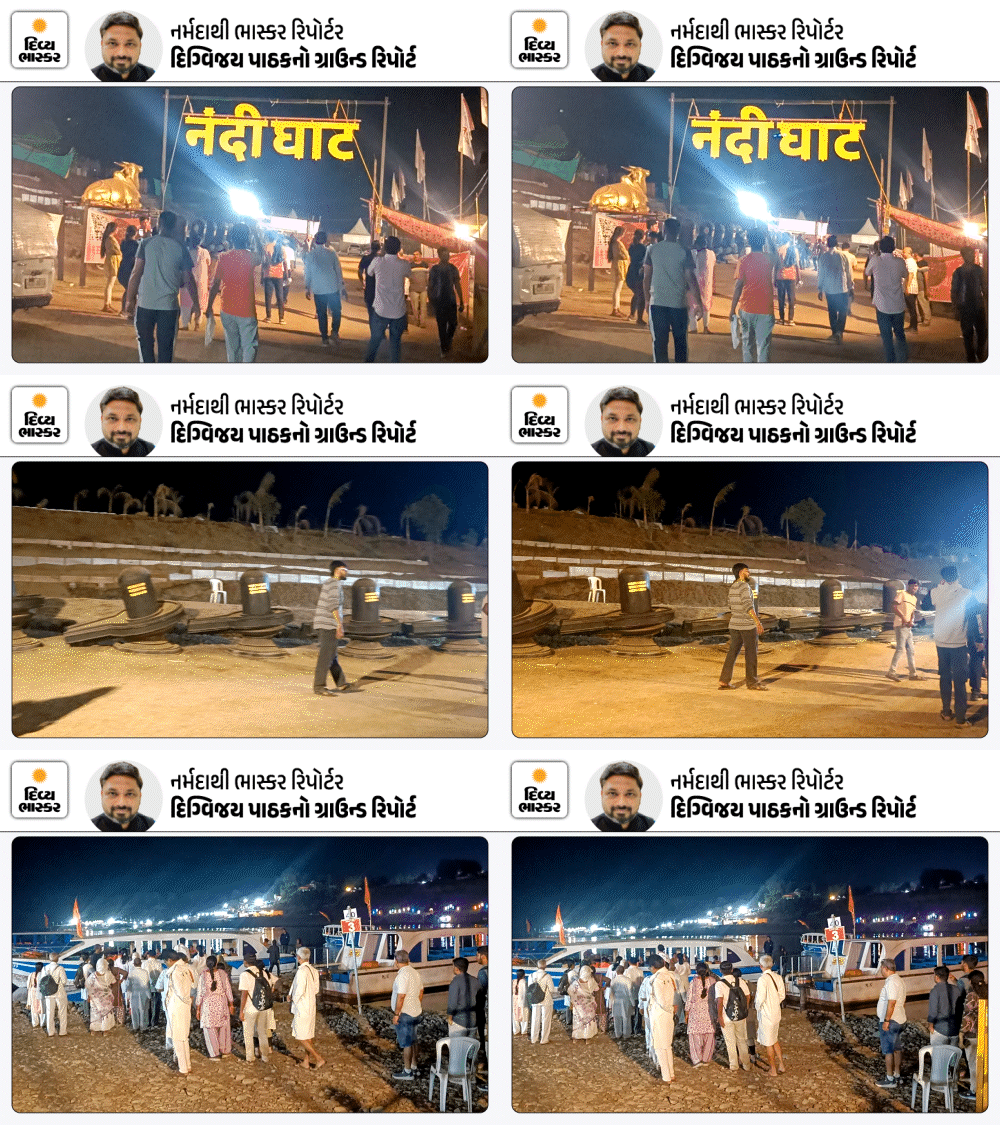
The holy Narmada Uttarvahini Parikrama has started in the Narmada district of Gujarat, drawing thousands of pilgrims from across the country. This spiritual walk covers a distance of 21 kilometers and is traditionally completed during the Hindu month of Chaitra. This year, the pilgrimage began on March 19 and will continue until April 17, 2026. The journey is known for its deep religious meaning and the beautiful natural views along the river banks. To ensure a smooth experience, the government has introduced mandatory registration and several new facilities for the comfort of the walkers.
Main Impact
The most significant change this year is the strict management of the crowd through mandatory online registration. Authorities have set up checkpoints on the road from Rajpipla to Rampura to verify registrations before allowing pilgrims to proceed. This move helps manage the flow of people and ensures that safety standards are met. Additionally, the event has created new economic opportunities for local communities. Local women's self-help groups, known as Sakhi Mandals, have been given free space to set up stalls, allowing them to earn a living while providing affordable food and drinks to the pilgrims.
Key Details
What Happened
The pilgrimage is a circular walk that starts and ends at Rampura in the Nandod taluka. Pilgrims walk approximately 22,700 steps to complete the 21-kilometer path. The route takes them through several famous religious sites, including the Mangrol area, Tapovan Ashram, and the Gopaleshwar Mahadev Temple. After reaching the Sitaram Temple, walkers must cross the river bed to reach Tilakwada. The journey continues to the Maninageshwar Temple, where the path winds through green fields, offering a peaceful experience. The final leg of the journey involves a boat ride back to the starting point at Rampura.
Important Numbers and Facts
The walk takes about five to seven hours to complete depending on a person's age and health. A healthy adult can usually finish the 21-kilometer trek in five hours, while elderly pilgrims may take up to seven hours. To keep the area clean, the administration has placed dustbins every 50 meters along the entire route. For the river crossing, special boats have been arranged. Each passenger must pay 50 rupees for the boat ride, and wearing a life jacket is strictly required for everyone's safety. Thousands of people are expected to participate daily, especially on weekends and holidays.
Background and Context
The Narmada River usually flows from east to west. However, in a few specific places, the river turns and flows toward the north. This north-flowing stretch is called "Uttarvahini." In Hindu tradition, performing a pilgrimage along this specific part of the river is considered very holy. The 21-kilometer stretch between Rampura and Tilakwada is one such rare location. While the Narmada pilgrimage can be done at any time, doing it during the month of Chaitra is believed to bring extra spiritual rewards. This tradition has grown over the years, turning from a small local event into a massive gathering that attracts people from various states outside of Gujarat.
Public or Industry Reaction
Pilgrims have expressed great satisfaction with the arrangements made this year. Many have praised the government for setting up large rest areas with beds and mattresses, allowing tired walkers to take a break. The atmosphere is filled with devotion, as religious songs and prayers are played on sound systems along the path. In some areas, the music is so lively that pilgrims stop to perform Garba, a traditional dance of Gujarat. Local villagers have also stepped up by setting up "Seva" centers where they offer free tea, snacks, and full meals to the pilgrims throughout the night without asking for anything in return.
What This Means Going Forward
The success of this year's organized approach shows that religious tourism can be managed effectively with technology and local support. The use of safety nets on walking paths and mandatory life jackets on boats sets a high standard for future events. As the pilgrimage continues until mid-April, authorities will need to maintain these cleanliness and safety standards, especially as temperatures rise. The involvement of local women in the economy through Sakhi Mandals is a model that might be used in other religious festivals to help rural communities grow. The focus remains on balancing faith with modern safety and environmental care.
Final Take
The Narmada Uttarvahini Parikrama is more than just a long walk; it is a display of faith, community service, and cultural pride. By combining traditional rituals with modern management, the event provides a safe and spiritual environment for everyone. The sight of thousands of people walking together, supported by the kindness of local villagers, highlights the strong bond between the people and the holy river.
Frequently Asked Questions
Do I need to register to join the Narmada Parikrama?
Yes, online registration is mandatory this year. Police check for registration documents at various points before you can reach the starting site at Rampura.
How long does it take to complete the 21-kilometer walk?
Most people complete the walk in five to seven hours. It depends on your walking speed and how many breaks you take at the temples along the way.
Is it safe to cross the river during the pilgrimage?
Yes, the river crossing is managed with special boats. Every person is required to wear a life jacket, and there are safety nets installed along the walking paths near the water.



