
Summary
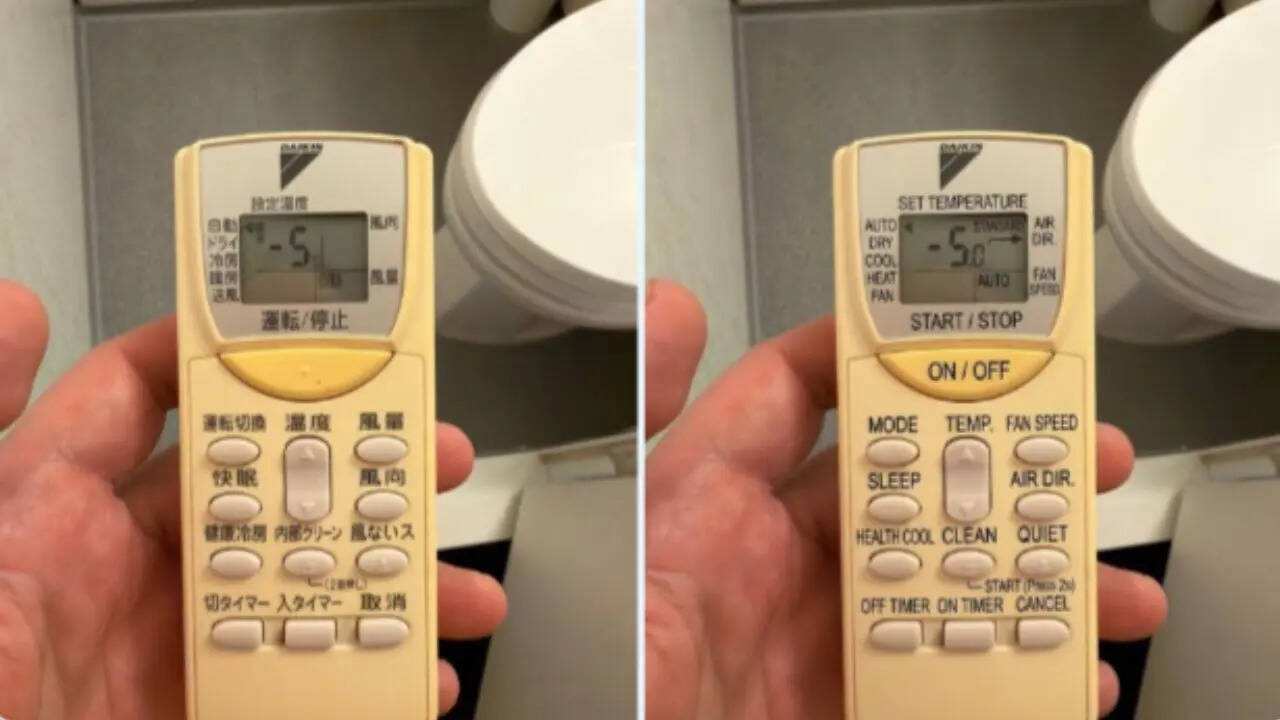
A traveler from the United States recently shared a story that has caught the attention of thousands online. While staying at a hotel in Japan, the traveler found it impossible to understand the air conditioning remote control because all the labels were in Japanese. At 4:00 AM, feeling frustrated and uncomfortable, they used an AI tool called Nano Banana to translate the device. The tool worked so well that the traveler called it "god," sparking a viral conversation about how artificial intelligence is changing the way people navigate foreign countries.
Main Impact
The main impact of this story is the demonstration of how AI can solve everyday problems in real-time. For many years, travelers had to rely on printed phrasebooks or basic translation apps that often failed to read stylized text on physical objects. This event shows that AI vision technology has reached a point where it can accurately interpret complex symbols and provide instant instructions. It removes a major stress point for international tourists, making it easier for people to visit countries where they do not speak the local language.
Key Details
What Happened
The traveler was struggling with the heat in a Japanese hotel room in the middle of the night. Japanese electronics are famous for having many buttons with specific functions, often written in Kanji or Hiragana characters. Without knowing the language, it is easy to accidentally turn on a heater instead of the cooler, or set a timer that shuts the system off. The traveler took a photo of the remote using the Nano Banana tool. The AI quickly scanned the image and gave a clear, English explanation of every button on the screen. This allowed the traveler to finally adjust the temperature and get back to sleep.
Important Numbers and Facts
The social media post documenting this experience quickly went viral, reaching a wide audience across platforms like X (formerly Twitter) and Reddit. While the exact number of users for Nano Banana is growing, the incident highlights a shift in how people use their smartphones. Instead of just searching for information, users are now using AI to "see" and "understand" the physical world around them. Japan remains one of the top travel destinations globally, and stories like this highlight a common hurdle for the millions of English-speaking tourists who visit the country every year.
Background and Context
Traveling to a country with a completely different writing system can be overwhelming. In Japan, even simple tasks like using a washing machine, a microwave, or a high-tech toilet can become a puzzle for foreigners. In the past, travelers would have to search for manuals online or call hotel staff for help, which is not ideal late at night. AI tools like Nano Banana use advanced visual recognition to identify text and context. Unlike older translation software that only swaps words, these newer tools can understand that they are looking at a remote control and provide a user-friendly guide based on that specific context.
Public or Industry Reaction
The reaction from the public has been very positive. Many people shared their own "travel nightmares" where they couldn't figure out how to turn off a loud light or stop a heater in a foreign hotel. Some users pointed out that this technology is a "game changer" for solo travelers who may feel nervous about navigating a new culture alone. Tech experts are also noting that this is a perfect example of "practical AI." While there is a lot of talk about AI writing essays or making art, most people find the most value in tools that help them solve small, annoying problems in their daily lives.
What This Means Going Forward
Looking ahead, we can expect to see more travelers using AI as a personal assistant. This could lead to hotels changing how they provide information to guests. Instead of printing long manuals in multiple languages, hotels might simply provide a QR code or suggest specific AI tools for guests to use. It also puts pressure on tech companies to make these tools faster and more accurate. As more people use AI to bridge language gaps, the world will feel smaller and more accessible. However, it also raises questions about how much we rely on our phones while traveling and whether we are losing the chance to learn basic local phrases.
Final Take
This viral story is about more than just a remote control; it is about the power of technology to remove barriers. When a simple app can turn a moment of 4:00 AM frustration into a success, it proves that AI has a permanent place in our pockets. As these tools become more common, the fear of getting "lost in translation" may soon become a thing of the past for travelers everywhere.
Frequently Asked Questions
What is Nano Banana?
Nano Banana is an AI-powered tool that uses a phone's camera to identify objects and translate text in real-time. It is designed to help users understand foreign languages and complex devices by providing clear explanations.
Why are Japanese remotes hard to use?
Japanese remotes often use specific technical terms and characters that do not have a direct one-word translation in English. They also feature many specialized modes, such as "dehumidify" or "energy saving," which can be confusing for non-speakers.
Can I use this AI tool without internet?
Most advanced AI vision tools require an internet connection to process the images and provide accurate translations. Travelers are usually encouraged to have a local SIM card or portable Wi-Fi to use these apps effectively while on the go.

