
Summary
A musical group called Nandagovindam Bhajans has spoken out after a recent disagreement over their performance at a temple. The group faced criticism for singing a Christian devotional song during a program held at a Hindu temple in Kottayam. While some organizations protested the move, the group maintains that music should be used to bring different communities together. This event has sparked a wider conversation about religious traditions and the role of art in society.
Main Impact
The main impact of this incident is a growing debate over cultural boundaries in religious spaces. By performing a song from a different faith, the musical group challenged the traditional rules of temple performances. This led to a strong reaction from local groups who believe that temple rituals and music should stay strictly within their own traditions. The situation shows how sensitive religious topics can be when art and faith mix in public spaces.
Key Details
What Happened
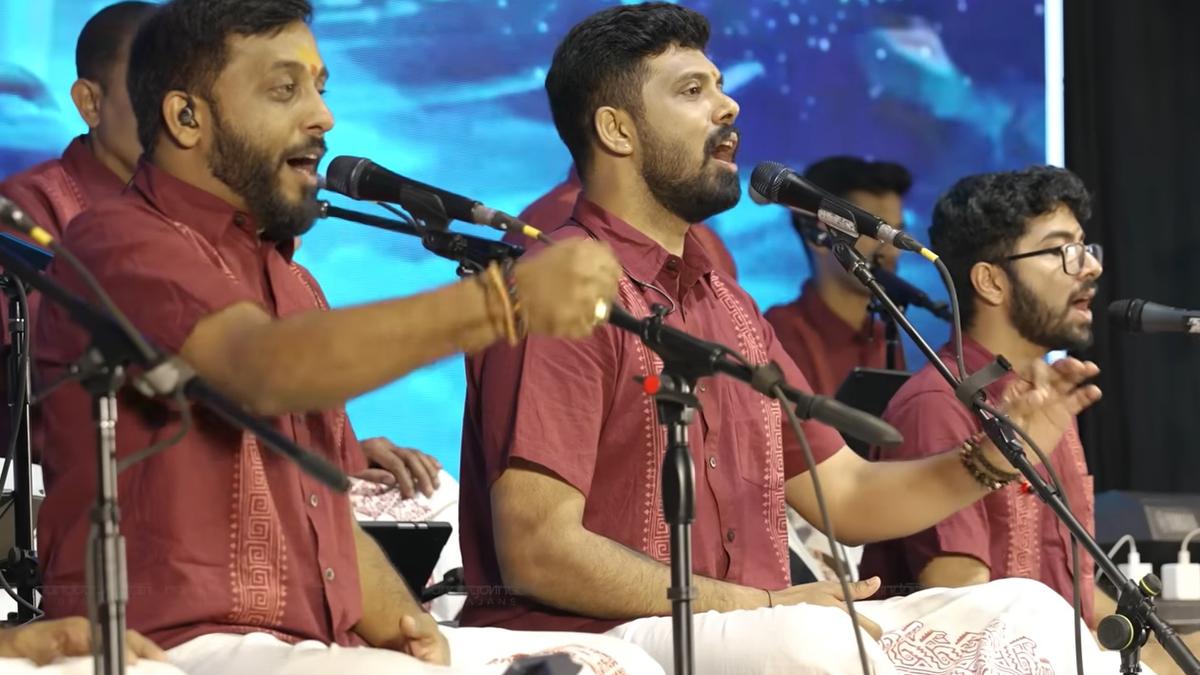
The incident took place during a scheduled bhajan performance at a temple in the Kottayam district of Kerala. Nandagovindam Bhajans, a group known for singing Hindu devotional songs, decided to include a Christian hymn in their setlist. Shortly after the performance, members of certain Sangh Parivar organizations expressed their anger. They argued that singing a Christian song inside a Hindu temple was not appropriate and went against the sanctity of the venue. The group, however, defended their choice, saying they did not mean to cause any harm or disrespect.
Important Numbers and Facts
The event occurred in Kottayam, a region known for its diverse religious population. The group involved, Nandagovindam Bhajans, has a significant following and often performs at various religious and cultural festivals. The protest was led by local units of right-wing organizations who monitor temple activities. No physical violence was reported, but the verbal disagreement was strong enough to make national news. The group has since released statements to clarify their position on the matter.
Background and Context
In many parts of India, especially in Kerala, music is a major part of religious life. Temples often host artists to sing bhajans, which are traditional songs of praise. Usually, these songs focus on Hindu deities. However, Kerala also has a very long history of different religions living side by side. Many artists believe that because music is a universal language, it can help people from different backgrounds understand each other better. On the other hand, many people feel that religious sites are sacred and should only host activities that belong to that specific faith. This tension between modern artistic freedom and ancient tradition is at the heart of the current controversy.
Public or Industry Reaction
The reaction to the event has been split. Many social media users and fellow artists have supported Nandagovindam Bhajans. They argue that a song about God, regardless of the religion it comes from, carries a message of peace. They believe that stopping such performances limits the power of music to heal social divides. However, the organizations that protested feel differently. They stated that every religion has its own space and that those spaces should be respected. They believe that bringing outside religious elements into a temple can confuse devotees and change the nature of the worship experience. Local temple authorities are now being asked to be more careful about the songs performers choose in the future.
What This Means Going Forward
Moving forward, this incident might lead to stricter rules for performers at religious venues. Temple committees may start asking for song lists in advance to avoid similar problems. For the group Nandagovindam Bhajans, this has been a lesson in the complexities of public performance. While they still believe in the power of music to unite, they may have to navigate these sensitive issues more carefully. The debate also highlights the need for more open talk between different groups to prevent misunderstandings. It remains to be seen if other musical groups will follow their lead or if they will stick to more traditional paths to avoid conflict.
Final Take
At its core, this story is about the struggle to find a balance between tradition and change. While the musical group saw their performance as a way to spread love and unity, others saw it as a break from tradition. Music has the power to stir deep emotions, and when those emotions are tied to faith, the results can be unpredictable. The goal for everyone involved should be to find a way to respect sacred traditions while still allowing art to build bridges between people.
Frequently Asked Questions
Why did the group sing a Christian song in a temple?
The group believes that music is a universal language that can unite people of all faiths. They chose the song to show that spiritual messages can be shared across different religions.
Who objected to the performance?
Members of certain Sangh Parivar organizations in Kottayam objected. They felt that only Hindu devotional songs should be performed inside a Hindu temple to maintain its traditional atmosphere.
Has the group stopped performing?
No, the group continues to perform. However, they have used this opportunity to explain their philosophy of using music as a tool for social harmony and unity among different communities.



