
Summary
Nagpur district is witnessing a significant change in its rural areas as old, unused government buildings are being turned into public libraries. This initiative aims to provide students in villages with a quiet place to study and access to books for competitive exams. By repurposing structures that were once falling apart, the local administration is creating new opportunities for youth who cannot afford to travel to cities for their education. This project is a major step toward making quality learning resources available to everyone, regardless of where they live.
Main Impact
The biggest impact of this project is the direct support it gives to students from low-income families. In the past, many young people in Nagpur’s villages had to travel long distances to the city to find a library or a quiet study room. This was both expensive and time-consuming. Now, with libraries available in their own villages, these students can save money and spend more time focusing on their studies. This move is helping to level the playing field between rural and urban students, giving everyone a fair chance to succeed in national and state-level exams.
Key Details
What Happened
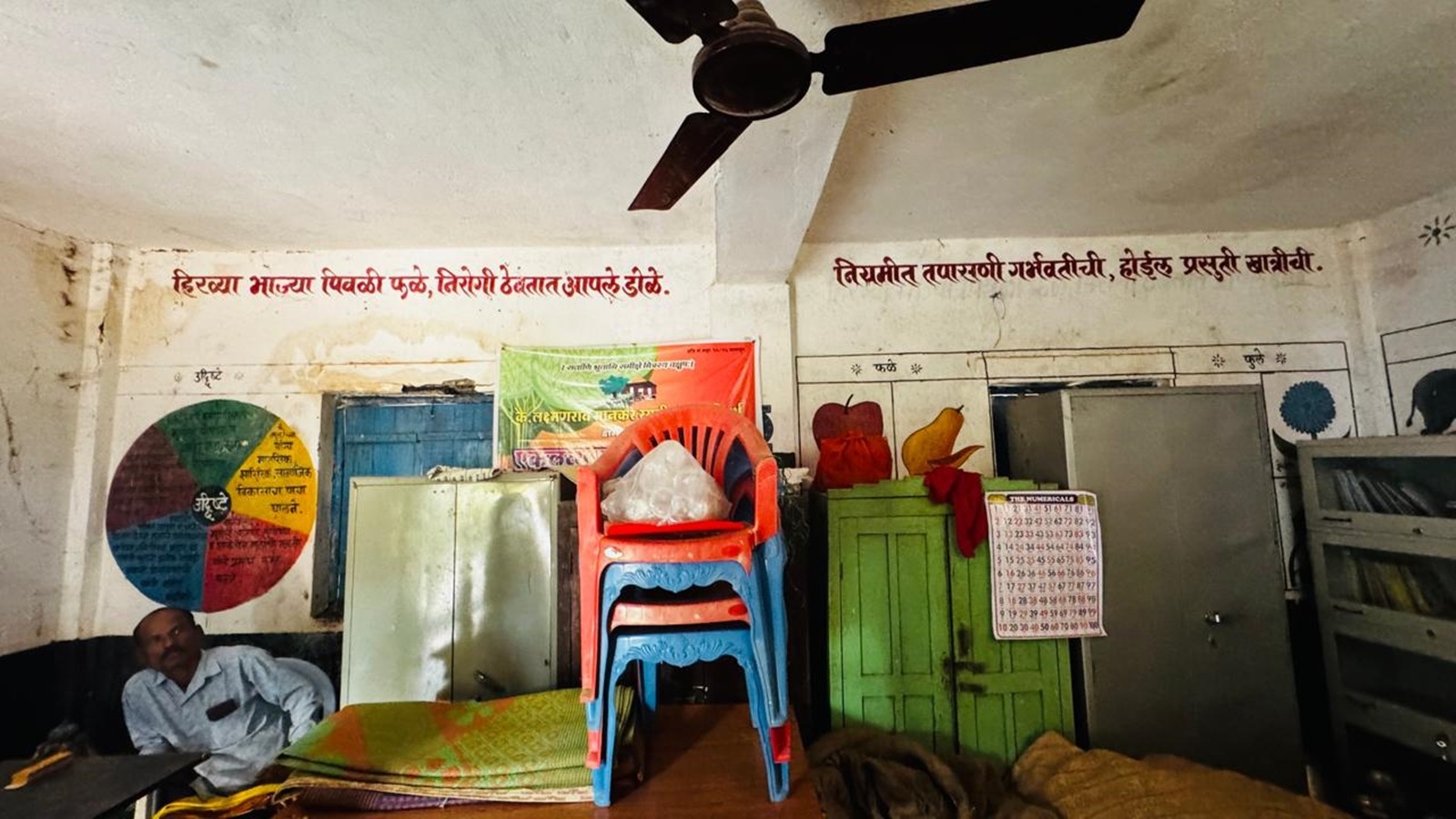
The local government in Nagpur identified dozens of government buildings that were no longer being used. These included old school rooms, former gram panchayat offices, and abandoned health centers. Instead of letting these buildings rot, the district administration decided to fix them up. They repaired the roofs, painted the walls, and installed basic furniture like tables, chairs, and bookshelves. Once the buildings were ready, they were stocked with a wide variety of books, ranging from school textbooks to advanced guides for government job exams.
Important Numbers and Facts
The project has already reached over 100 villages across the Nagpur district. Each library is designed to hold at least 20 to 30 students at a time. The local administration has used funds from various rural development schemes to pay for the repairs. In many cases, the community has also stepped in. Local residents and retired teachers have donated hundreds of books to help fill the shelves. The libraries are usually managed by a committee of local youth, ensuring that the facility is well-maintained and stays open during the hours when students need it most.
Background and Context
For many years, rural students in India have faced a common problem: the lack of a proper study environment. Homes in villages are often small and shared by many family members, making it hard to find silence. Additionally, the cost of books for exams like the UPSC or MPSC is very high. Private libraries in cities like Nagpur charge monthly fees that many village families cannot afford. By using existing government property, the district is solving two problems at once. They are getting rid of eyesores in the village and providing a vital service to the community without needing to build expensive new structures from scratch.
Public or Industry Reaction
The reaction from the villagers has been overwhelmingly positive. Parents have expressed relief that their children no longer have to travel late at night or early in the morning to reach city libraries. Students have reported feeling more motivated because they now have a dedicated space for learning. Education experts have also praised the move, noting that such grassroots initiatives are essential for improving literacy and employment rates in rural India. Many other districts in the state are now looking at Nagpur’s model to see if they can start similar programs in their own areas.
What This Means Going Forward
The next step for this project is to bring technology into these rural libraries. The government plans to provide internet connections and computers to many of these centers. This will allow students to access online classes, watch educational videos, and download digital study materials. There is also a plan to create a rotating book system, where different libraries can swap books so that readers always have something new to study. The long-term goal is to ensure that every large village in the district has a fully functional library that serves as a center for knowledge and community growth.
Final Take
This initiative in Nagpur proves that big changes do not always require brand-new buildings or massive budgets. By simply looking at what they already had and finding a better use for it, the local government has opened doors for thousands of students. These libraries are more than just rooms full of books; they are symbols of hope and progress for the rural youth. It shows that with a bit of creativity and community support, even an abandoned building can become a place where dreams are built.
Frequently Asked Questions
Who can use these village libraries?
The libraries are open to all residents of the village, but they are specifically designed to help students and young people who are preparing for school exams or competitive job tests.
How are the books for these libraries collected?
The books come from a mix of government funding and community donations. Many people in the city and local villages have donated their old textbooks and reference guides to help the cause.
Is there a fee to join these libraries?
Most of these libraries are free to use or charge a very small, symbolic fee that goes toward the maintenance of the building and electricity bills, making them accessible to everyone.



