Summary
Paramedics in the southern Lebanese city of Nabatieh are facing extreme danger as they work through a wave of intense military strikes. Once a busy center of trade and daily life, the city has become a ghost town as residents flee the ongoing violence. These first responders are among the very few people left in the area, risking their lives to provide emergency care while explosions occur across the city. Their testimony highlights the growing humanitarian crisis and the physical risks faced by medical workers in the region.
Main Impact
The primary impact of the current situation is the total disruption of civilian life and the extreme pressure placed on emergency services. In Nabatieh, the safety of medical staff is no longer guaranteed, as strikes are reported to be happening in almost every part of the city. This has forced most of the population to leave, turning a once-lively urban center into a dangerous zone where only essential workers remain. The constant threat of aerial attacks makes it nearly impossible for paramedics to reach the injured without putting themselves in the line of fire.
Key Details
What Happened
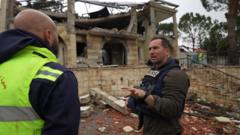
BBC Middle East correspondent Hugo Bachega recently traveled to Nabatieh to document the conditions on the ground. He joined local paramedics who are still operating despite the heavy bombardment. The city, which used to be full of people and activity, is now silent except for the sound of drones and the sudden roar of explosions. Paramedics described a situation where no location feels safe, stating that strikes are hitting everywhere without warning. They explained that their daily routine now involves waiting for the next blast and trying to navigate blocked or damaged roads to save survivors.
Important Numbers and Facts
Nabatieh is one of the largest cities in southern Lebanon and serves as a vital administrative and commercial hub for dozens of surrounding villages. Before the escalation, it was home to tens of thousands of people. Today, officials estimate that the vast majority of the population has moved north toward Beirut or other safer areas. Medical teams report that the number of available ambulances and staff has been stretched thin, as some facilities have been damaged or are too close to strike zones to remain open. The frequency of the strikes has increased significantly over the past few weeks, leading to a high number of casualties among those who chose to stay behind.
Background and Context
The conflict in southern Lebanon has deep roots, but the recent escalation has reached levels of intensity not seen in years. Nabatieh has historically been a target due to its strategic location and its importance as a regional center. In past conflicts, the city managed to maintain some level of civilian life, but the current scale of the strikes has made it unlivable for most. The paramedics working there are often volunteers or members of local civil defense groups who feel a strong duty to protect their community. Understanding the situation in Nabatieh is key to seeing how the war is affecting civilian infrastructure and the people who are trained to protect it.
Public or Industry Reaction
The international community and various human rights groups have expressed deep concern over the safety of healthcare workers in Lebanon. There are growing calls for all parties involved in the fighting to respect the neutrality of medical staff and hospitals. Within Lebanon, the paramedics are being hailed as heroes for staying in a city that most have abandoned. However, the workers themselves speak of a heavy psychological toll. They describe the fear of being targeted while wearing their uniforms or driving clearly marked ambulances. Many in the medical field are calling for better protection and more supplies to handle the rising number of trauma cases.
What This Means Going Forward
As the strikes continue, the future of Nabatieh remains uncertain. If the violence does not stop, the remaining infrastructure, including water and power systems, may completely fail. This would make it even harder for paramedics to operate. There is also the risk that the displacement of the city's population will become permanent, leading to a long-term economic and social crisis for the region. For the paramedics, the immediate future involves more long shifts and high-risk rescues. The international focus will likely remain on whether a ceasefire can be reached before the medical system in southern Lebanon collapses entirely.
Final Take
The situation in Nabatieh is a clear example of how modern conflict can quickly turn a thriving city into a place of ruin. The paramedics who stay behind are the last line of defense for the few civilians who cannot or will not leave. Their courage is a reminder of the human cost of war, but their warnings about strikes hitting "everywhere" suggest that even the most dedicated helpers are reaching their breaking point. Without a change in the current path of the conflict, the city faces a long and difficult road to recovery.
Frequently Asked Questions
Why is Nabatieh empty?
Most residents have fled the city to escape the constant Israeli strikes, which have made daily life too dangerous and destroyed much of the local infrastructure.
Are paramedics safe while working in Lebanon?
No, paramedics in areas like Nabatieh report that strikes are happening all over the city, making it very difficult for them to stay safe while responding to emergencies.
What is the role of the BBC in this report?
The BBC sent a correspondent to Nabatieh to provide an eyewitness account of the destruction and to interview the first responders who are still working on the front lines.