
Summary
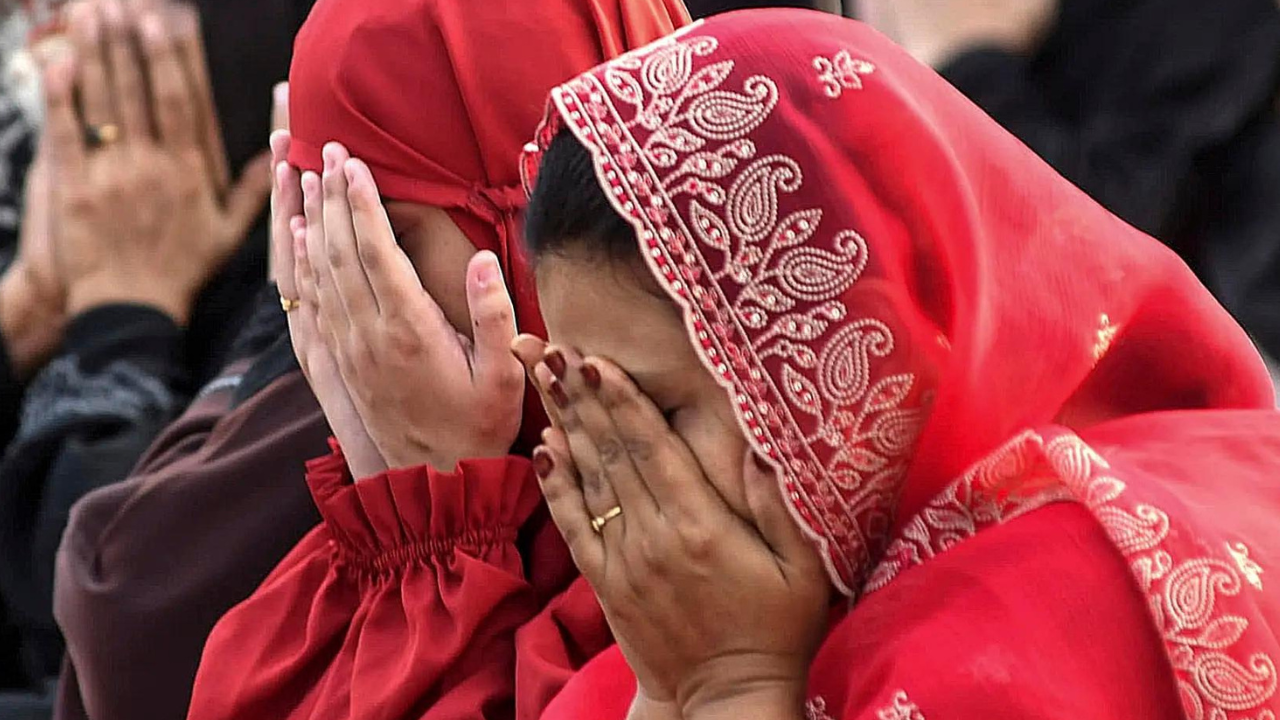
A judge from the Supreme Court of India recently shared important views on why Muslim women traditionally offer their prayers, known as namaz, at home. These comments were made during a legal hearing about whether women should be allowed to enter all mosques to pray. The judge noted that there are specific historical and practical reasons for this practice. This discussion is part of a larger legal battle to decide if banning women from mosques goes against the right to equality guaranteed by the law.
Main Impact
The judge's remarks have brought fresh attention to the balance between religious traditions and modern legal rights. If the court decides that women must be allowed into mosques, it could change how thousands of religious sites operate across India. This case is not just about prayer; it is about whether religious customs can override the constitutional right to be treated equally regardless of gender. The outcome will likely affect how other religious groups handle similar issues of inclusion and tradition.
Key Details
What Happened
The Supreme Court was listening to a petition that asks for women to have the same right as men to enter mosques. During the talk, Justice Ahsanuddin Amanullah mentioned that there is a reason why women have traditionally stayed at home for namaz. He pointed out that these customs were often based on providing a safe and private space for women. The judge also noted that in some of the holiest sites in Islam, such as Mecca, women and men pray in the same general area, though often in separate sections.
Important Numbers and Facts
The legal challenge was started by a married couple from Pune who believe that the current restrictions are unfair. They argue that the Quran does not explicitly ban women from entering mosques. In India, while some mosques have separate areas for women, a large number do not allow them at all. The court is looking at these facts to see if the exclusion is a "core" part of the religion or just a custom that can be changed. The case follows a famous 2018 ruling where the court allowed women into the Sabarimala temple, setting a precedent for gender equality in religious spaces.
Background and Context
In many parts of the world, including several Muslim-majority countries, women regularly go to mosques for Friday prayers and special events. However, in India, the tradition has been different for a long time. Many local communities believe that it is better for women to pray at home to avoid mixing with men in public spaces. This is often linked to the idea of "Parda," which focuses on privacy and modesty.
The legal system in India uses a test called "Essential Religious Practices." This means the court tries to find out if a specific rule is a fundamental part of a religion. If a rule is not essential, the court can order it to change if it violates human rights. The current debate is about whether the ban on women in mosques is a fundamental religious rule or simply a social habit that has lasted for centuries.
Public or Industry Reaction
The judge's comments have sparked a wide range of reactions. Some religious scholars agree with the judge, saying that praying at home is a choice made for the comfort and safety of women. They argue that mosques are often crowded and may not have the right facilities, like separate washrooms, for women. They believe that forcing mosques to change could interfere with their religious freedom.
On the other side, women's rights groups and many young Muslims argue that the world has changed. They believe that if women can go to work, school, and markets, they should also be allowed to go to a house of worship. They see the ban as a way to keep women out of public life. These groups hope the Supreme Court will rule in favor of total access, ensuring that no one is turned away from a mosque because of their gender.
What This Means Going Forward
The Supreme Court will continue to hear more arguments from both sides before making a final decision. The judges will have to look closely at religious texts and historical records. They will also need to consider how a ruling might affect the peace and order of local communities. If the court rules in favor of the petitioners, mosques across the country may need to build new sections or change their schedules to welcome women. This would be a major shift in the social fabric of many Indian towns and cities.
Final Take
The discussion in the Supreme Court shows that India is still working through the difficult task of matching old traditions with modern values. While the judge explained the historical reasons for women praying at home, the legal question remains focused on fairness. True equality means that everyone should have the choice to pray where they feel most comfortable. As the case moves forward, it will serve as a test for how the law protects the rights of individuals within their own religious communities.
Frequently Asked Questions
Why do some mosques in India not allow women?
Many mosques follow local traditions that suggest women should pray at home for privacy and to avoid mixing with men. Some also claim they do not have the space or facilities to accommodate women separately.
Does the Quran forbid women from entering mosques?
Most scholars agree that the Quran does not strictly forbid women from mosques. In fact, during the time of the Prophet, women were known to attend prayers in the mosque, though they usually stood in separate rows.
What is the Supreme Court trying to decide?
The court is deciding if the exclusion of women from mosques violates the Indian Constitution, which promises equality for all citizens. They are checking if this exclusion is a mandatory part of the religion or a custom that can be updated.



