Summary
The Supreme Court is considering whether a simple typing mistake in an arrest document can be enough to set a murder suspect free. The case involves Sonam Raghuvanshi, who is accused of killing her husband during their honeymoon in Meghalaya. The court may send this legal question to a larger bench to decide how much a small error matters in serious crimes. This decision could change how courts handle similar cases in the future.
Main Impact
On Thursday, July 9, the Supreme Court hinted that it might refer the issue to a larger bench. The key question is whether a wrong section number written in an arrest memo—a typographical error—can make an arrest invalid and lead to bail. The court did not stop Sonam's bail, so she remains free for now. The Meghalaya government has been asked to show the arrest memo and other documents given to Sonam at the time of her arrest. The next hearing is set for July 14.
Key Details
What Happened
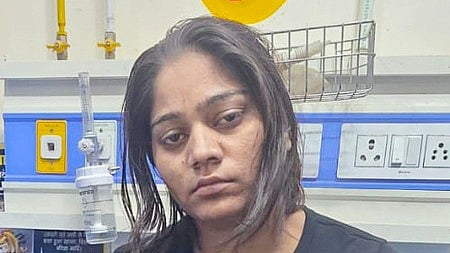
Sonam Raghuvanshi is the main suspect in the murder of her husband, Indore businessman Raja Raghuvanshi. The couple traveled to Meghalaya for their honeymoon in May 2025. Prosecutors say Sonam planned the murder with her alleged lover and hired people to kill Raja during the trip. Police have filed a chargesheet, and the trial is already underway.
Important Numbers and Facts
The Meghalaya High Court granted Sonam bail on June 29. The reason was that her arrest memo listed Section 403 of the Bharatiya Nyaya Sanhita (BNS), which does not exist. The correct section should have been Section 103(1). The high court called this a serious mistake by the police. The Supreme Court had earlier refused to stop the bail on July 3. Now, the court is looking at whether this error alone is enough to free someone accused of murder.
Background and Context
This case is about the balance between following rules exactly and delivering justice. In criminal law, police must give clear reasons for an arrest. If they make a mistake, like writing the wrong law section, it can raise questions about whether the arrest was proper. But in serious crimes like murder, some argue that a small clerical error should not let a suspect go free. The Supreme Court has given different rulings in the past on this issue, which is why a larger bench may be needed to set a clear rule.
Public or Industry Reaction
The Meghalaya government strongly opposes the bail. Solicitor General Tushar Mehta told the court this is a "very serious case." He argued that the only mistake was writing Section 403 instead of Section 103, and that Sonam was given the written grounds of arrest. He said the error was purely clerical and should not outweigh the serious nature of the crime, which involves conspiracy and money motives. Sonam's defense says she is falsely implicated and that the case is based only on circumstantial evidence. She claims she has followed all bail conditions and cannot tamper with evidence since the chargesheet is already filed.
What This Means Going Forward
The Supreme Court's decision could have wide effects. If a simple typing mistake becomes a reason for bail, it might weaken law enforcement in serious crimes. Police could face more challenges even when they have strong evidence. On the other hand, if courts ignore procedural errors, it could harm the rights of accused people. The court is being careful by asking to see the original arrest documents before making a final call. A larger bench ruling would give clear guidance to all courts in India on how to handle such mistakes.
Final Take
This case shows how a small error can create a big legal problem. The Supreme Court must decide whether to focus on the mistake or the crime. The answer will affect not just Sonam Raghuvanshi but also how police and courts handle arrests across the country. The outcome will set an important rule for balancing strict procedures with fair justice.
Frequently Asked Questions
What is the typographical error in this case?
The arrest memo for Sonam Raghuvanshi listed Section 403 of the Bharatiya Nyaya Sanhita, but that section does not exist. The correct section should have been Section 103(1), which deals with murder. The error was a simple typing mistake.
Why did the high court grant bail based on this error?
The Meghalaya High Court said the police showed "total non-application of judicious mind" by making this mistake. The court believed the error was a serious procedural failure that made the arrest invalid. This is why they granted bail to Sonam.
What happens next in the Supreme Court?
The Supreme Court may refer the legal question to a larger bench for a final decision. The next hearing is on July 14. Until then, Sonam remains on bail. The court also asked the Meghalaya government to provide the original arrest documents for review.