
Summary
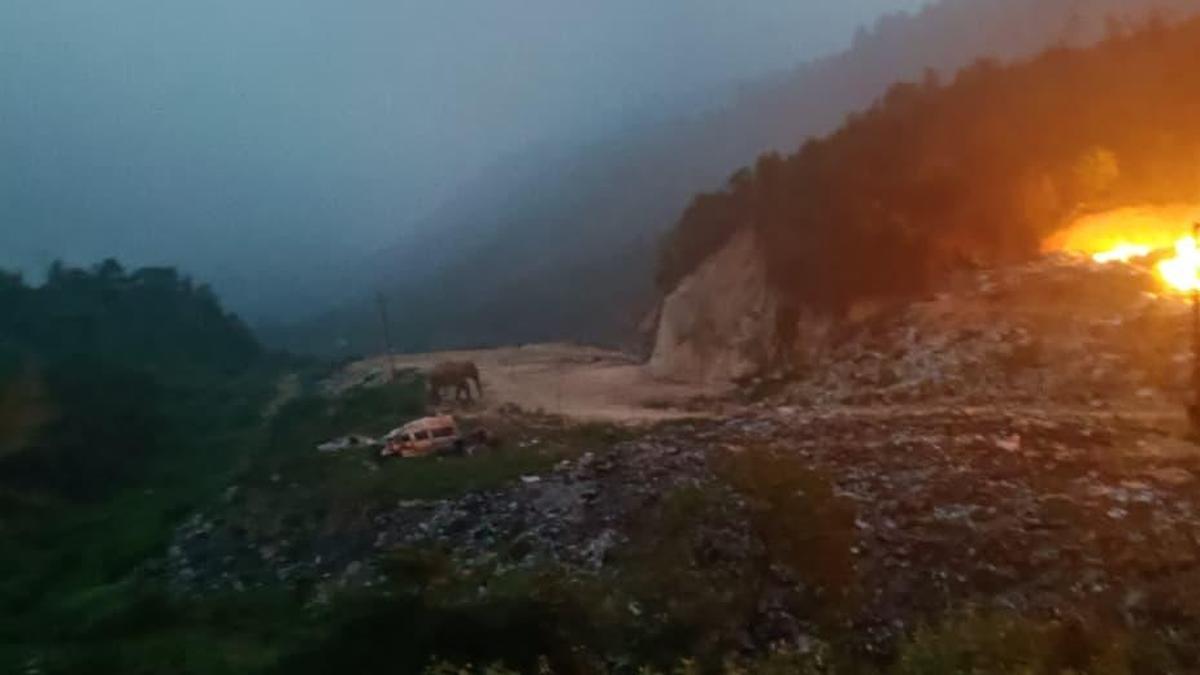
A massive fire broke out at the main waste treatment plant in Munnar, causing significant damage to the facility and the surrounding environment. The fire started in a large pile of plastic waste and quickly spread due to dry weather and strong winds. Emergency teams worked for several hours to bring the situation under control while thick smoke covered nearby residential areas and tea plantations. This incident has raised serious concerns about waste management safety and the health of people living in this popular hill station.
Main Impact
The fire has caused an immediate environmental and health crisis in the region. Because the plant contained a high volume of plastic and non-biodegradable materials, the smoke released into the air was thick and potentially toxic. Local residents reported difficulty breathing and a strong chemical smell that lingered for hours. Furthermore, the destruction of the processing machinery means that Munnar now faces a major challenge in handling its daily waste, which could lead to trash piling up in the streets or being dumped in unsafe locations.
Key Details
What Happened
The fire was first noticed in the early afternoon when workers at the plant saw smoke rising from the plastic storage area. Within minutes, the small flame grew into a large blaze that moved across the facility. The heat was so intense that it prevented staff from using basic fire extinguishers effectively. Local fire departments were called immediately, but the hilly terrain and narrow roads made it difficult for large water tankers to reach the site quickly. Firefighters had to use long hoses and specialized foam to fight the chemical-fueled flames.
Important Numbers and Facts
According to local authorities, at least four fire engines from Munnar and nearby towns were used to fight the blaze. It took more than eight hours of continuous work to stop the fire from spreading to the nearby forest land. Initial reports suggest that nearly 50 tons of accumulated waste were destroyed in the fire. While no injuries were reported among the plant workers, the financial loss regarding damaged equipment and infrastructure is expected to be very high. The plant serves thousands of households and hundreds of hotels in the Munnar area.
Background and Context
Munnar is one of the most famous tourist destinations in the country, attracting millions of visitors every year. This high number of tourists leads to a massive amount of waste, especially plastic bottles and food packaging. The waste treatment plant was built to handle this load, but it has often struggled with the sheer volume of trash. In many hill stations, waste management is a difficult task because there is limited flat land for processing centers. Over time, waste piles up, and during the dry season, these piles become a major fire risk due to the buildup of gases like methane and the presence of flammable materials.
Public or Industry Reaction
Local residents and environmental groups have expressed deep frustration over the incident. Many people living near the plant say they have warned officials about the lack of fire safety measures for a long time. Business owners in the tourism industry are also worried that the sight and smell of burning trash will drive visitors away. Environmentalists are calling for a complete review of how waste is stored in the Western Ghats, arguing that simple dumping is not a solution and that better technology is needed to prevent such disasters. The local government has promised an investigation into the cause of the fire and has vowed to improve safety protocols at the site.
What This Means Going Forward
In the short term, the local council must find a temporary way to manage the hundreds of kilograms of waste produced every day in Munnar. Without a working plant, there is a risk of illegal dumping in rivers or valleys, which would cause even more environmental damage. In the long term, this fire serves as a wake-up call for the government to invest in modern waste-to-energy plants or better recycling systems. There is also a need for stricter rules on plastic use in tourist areas to reduce the amount of waste that ends up at these facilities in the first place. Fire hydrants and better monitoring systems will likely be required at all such plants in the future.
Final Take
The fire at the Munnar waste plant is a clear sign that current waste management systems are not enough to handle the pressures of modern tourism. Protecting the natural beauty of the hills requires more than just cleaning the streets; it requires safe, professional, and well-funded facilities that can handle trash without putting the community at risk. Moving forward, the focus must be on reducing waste at the source and ensuring that processing centers are equipped with the best safety technology available.
Frequently Asked Questions
What caused the fire at the Munnar waste plant?
The exact cause is still being investigated, but officials believe it started due to extreme heat and the presence of flammable materials like plastic and methane gas within the waste piles.
Is the air in Munnar safe to breathe after the fire?
While the heavy smoke has cleared, officials advise people living very close to the plant to be careful. The air quality is being monitored to ensure that toxic particles from the burned plastic have moved away from residential areas.
How will Munnar manage its trash now that the plant is damaged?
The local government is looking for temporary sites to store waste and may transport some of it to larger processing centers in other districts until the Munnar facility is repaired.



