
Summary
Mumbai is currently facing a severe heatwave in March 2026, highlighting a major problem with the city's water system. There are only 64 working public drinking fountains to serve a massive population of over 13 million people. This shortage has forced many residents to buy expensive bottled water or go thirsty during record-high temperatures. Experts and local groups are now calling for the restoration of "pyaavs," which are traditional stone water fountains built over a century ago, to help solve this crisis.
Main Impact
The lack of free drinking water is creating a health crisis for the city's most vulnerable people. Outdoor workers, delivery riders, and people living in crowded areas are the most affected by the rising heat. Without easy access to clean, free water, many people are at risk of heatstroke and dehydration. This situation also puts a heavy financial burden on low-income families who must now spend a portion of their daily earnings just to stay hydrated.
Key Details
What Happened
As the summer heat arrived early in 2026, the city's public services have struggled to keep up. Most of the existing 64 fountains are located in major railway stations or large public parks, leaving vast areas of the city without any free water. Many of these fountains are often broken or poorly maintained, making them unreliable for the public. This has led to a renewed interest in Mumbai’s history of water charity.
Important Numbers and Facts
The scale of the problem is clear when looking at the data. With 13 million residents, Mumbai has roughly one public fountain for every 203,000 people. In contrast, during the late 1800s and early 1900s, the city had hundreds of "pyaavs" spread across every major neighborhood. Currently, there are about 30 to 40 of these historic structures still standing, but most are dry, filled with trash, or falling apart due to neglect.
Background and Context
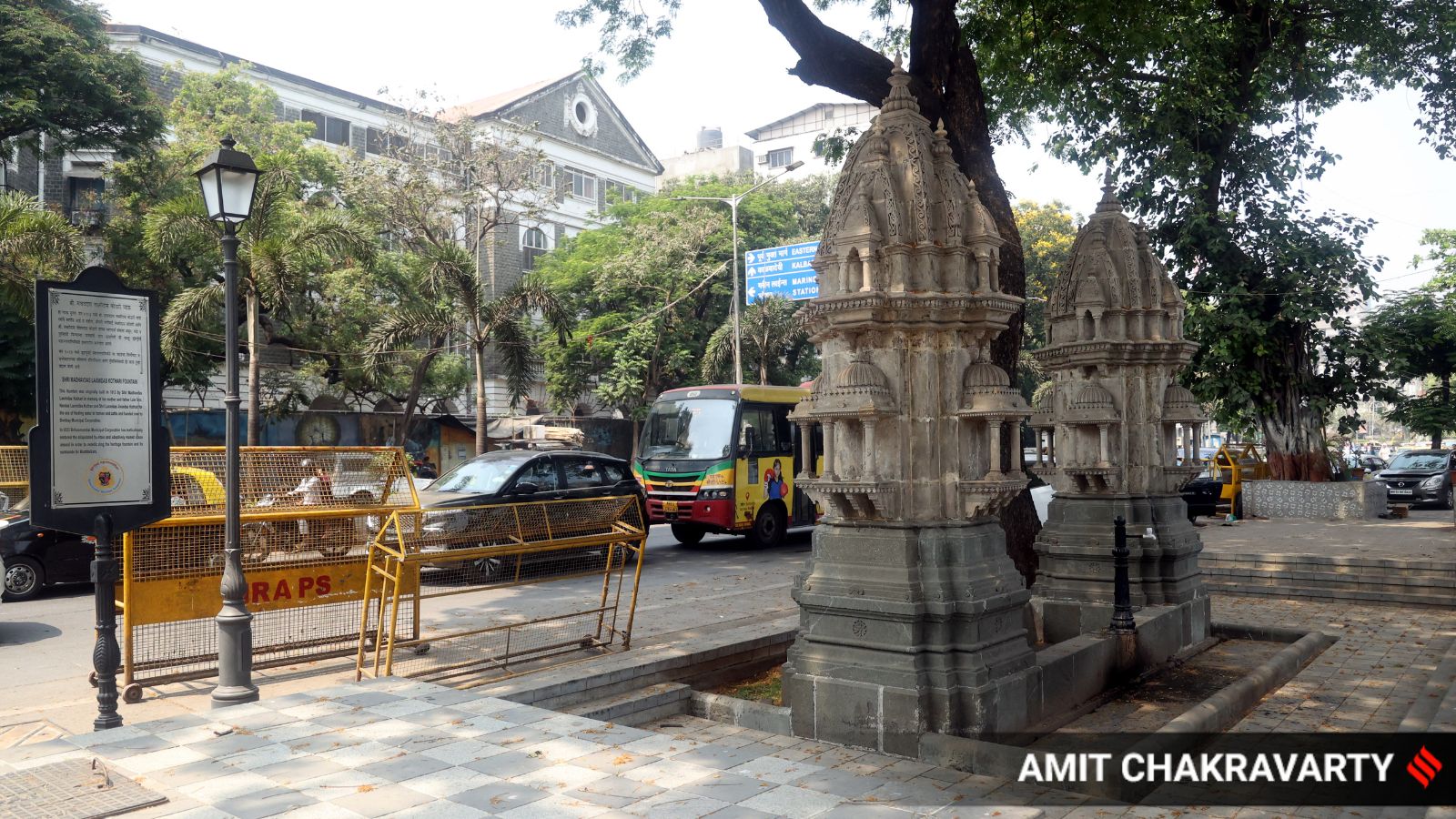
A "pyaav" is a traditional Indian water fountain. In the past, wealthy merchants and families built these beautiful stone structures as an act of kindness. They were designed to provide free water to travelers, workers, and even animals. These fountains were often decorated with carvings and were a central part of life in Mumbai. However, as the city grew and indoor plumbing became common, these public fountains were forgotten. The rise of the plastic bottled water industry also played a role in the decline of these free water stations.
Public or Industry Reaction
Citizens are expressing growing anger over the lack of basic facilities. Social media is filled with complaints from commuters who cannot find a single drop of free water during their long journeys. Environmental groups are also worried about the massive increase in plastic waste. They argue that if the city provided more public fountains, people would not need to buy so many plastic bottles. Heritage experts are urging the local government to fix the old pyaavs, saying these structures are not just historical monuments but can still serve a practical purpose today.
What This Means Going Forward
The city government is now under pressure to create a better water plan for the future. There are talks about a project to restore the remaining historic pyaavs and fit them with modern filtration systems. This would provide clean water while preserving the city's culture. However, restoring 30 fountains will not be enough for 13 million people. The city will likely need to build hundreds of new, modern water stations in busy areas like markets and bus stops. If the heatwaves continue to get worse each year, providing free water will become a life-saving necessity rather than just a convenience.
Final Take
Access to clean drinking water is a basic human right, especially in a city as hot as Mumbai. The current shortage shows that modern urban planning has failed to provide for the people's simplest needs. By looking back at the tradition of the pyaav, Mumbai has a chance to fix a modern problem with a classic solution. Providing free water will protect public health, reduce plastic waste, and make the city more livable for everyone during the hot summer months.
Frequently Asked Questions
What is a pyaav?
A pyaav is a historic public drinking water fountain found in Mumbai. They were built by donors in the 19th and 20th centuries to provide free water to everyone in the city.
Why are there so few water fountains in Mumbai today?
Over time, many fountains were removed to make way for roads or buildings. Others stopped working because of poor maintenance and the shift toward selling bottled water.
How can reviving old fountains help with the heatwave?
Restoring these fountains would provide free, accessible water to people who work outdoors. This helps prevent heat-related illnesses and reduces the need for expensive and wasteful plastic bottles.



