
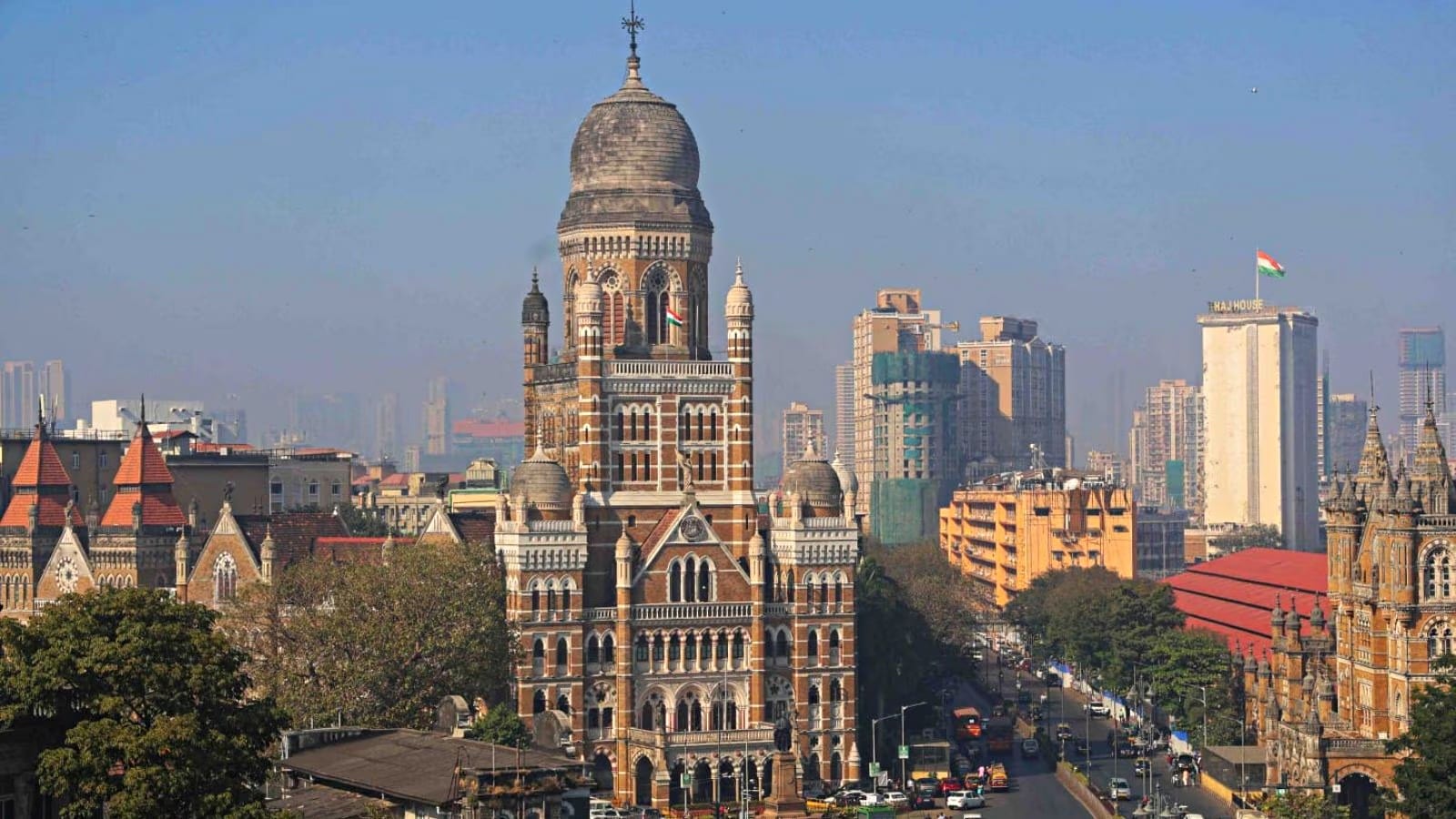
Summary
The Brihanmumbai Municipal Corporation (BMC) recently held a high-level meeting where the main topic of discussion was the city's worsening water crisis. Members of the house raised serious concerns about the frequent supply cuts and the poor quality of water reaching many households. This discussion comes at a critical time as several parts of Mumbai report dry taps and low water pressure, making daily life difficult for millions of residents. The meeting highlighted the urgent need for better management of the city's water resources and faster repairs to aging infrastructure.
Main Impact
The primary impact of these water issues is felt directly by the citizens of Mumbai, especially those living in high-density areas and chawls. When the BMC house proceedings are dominated by such "water woes," it signals a breakdown in basic service delivery. The shortage has forced many families to spend extra money on private water tankers, which are often expensive and unregulated. Furthermore, the debate in the house shows a growing divide between officials and the public regarding how quickly these problems can be solved. If the supply does not stabilize soon, it could lead to larger public protests and health risks due to the use of contaminated water.
Key Details
What Happened
During the latest session, representatives from various wards stood up to voice the frustrations of their constituents. They described scenes of people waiting for hours for water that sometimes never comes. The discussion turned heated as members questioned why certain neighborhoods receive 24-hour supply while others struggle with just two hours of low-pressure water. Officials were asked to explain the delays in fixing major pipeline bursts that have occurred over the last few months. The house also discussed the issue of "unaccounted-for water," which refers to the large amount of water lost through leaks and illegal connections before it even reaches a home.
Important Numbers and Facts
Several key figures were brought up during the proceedings to show the scale of the problem. Mumbai requires approximately 3,900 million liters of water every day to meet the needs of its growing population. However, reports suggest that nearly 25% to 30% of this water is lost due to leakages and theft. Recently, a 15% water cut was imposed in several zones to carry out emergency repairs on the Vaitarna pipeline. Additionally, the water levels in the seven lakes that supply the city—including Modak Sagar, Tansa, and Vihar—are being monitored closely. Current data shows that while the lakes have enough stock for now, the distribution network is too weak to deliver it efficiently to every corner of the city.
Background and Context
Mumbai’s water system is one of the largest and oldest in the country. The city relies on rain-fed lakes located far away from the main urban center. This water travels through a massive network of pipes, some of which are over fifty years old. As the city grows and more high-rise buildings are constructed, the demand for water increases. However, the underground pipes have not been upgraded at the same pace. This leads to frequent bursts, especially when the pressure is increased to reach higher floors. In simple terms, the city is trying to push too much water through old, thin pipes that can no longer handle the load. This historical neglect is why water issues now dominate almost every major civic meeting.
Public or Industry Reaction
The reaction from the public has been one of deep frustration. On social media, residents have been sharing photos of muddy water and empty buckets, tagging BMC officials to demand action. Local citizen groups have pointed out that while they pay their taxes on time, they are not getting the most basic necessity in return. Within the industry, urban planning experts are calling for the BMC to move away from temporary fixes. They suggest that the city needs a "smart" water grid that uses sensors to detect leaks immediately. Currently, the BMC often finds out about a leak only after a road is flooded, which is a very slow and wasteful way to manage a crisis.
What This Means Going Forward
Looking ahead, the BMC has promised to speed up the replacement of old steel pipes with stronger concrete ones. There is also a plan to increase the use of recycled water for non-drinking purposes, such as gardening and industrial use, to save fresh water for residents. However, these projects will take years to complete. In the short term, residents can expect more scheduled water cuts as the civic body tries to fix the most damaged parts of the network. The government is also looking into desalination plants, which turn seawater into drinking water, though this technology is expensive and still in the early stages of planning for Mumbai.
Final Take
The dominance of water issues in the BMC house shows that the city's infrastructure is at a breaking point. While the lakes may be full, the pipes are failing, and the distribution is unfair. For a global city like Mumbai, having a reliable water supply is not a luxury but a basic requirement for survival and economic growth. The focus must now shift from talking about the problem to executing long-term engineering solutions that can keep the taps running for everyone, regardless of which neighborhood they live in.
Frequently Asked Questions
Why is there a water shortage in Mumbai right now?
The shortage is mainly caused by old, leaking pipes and the need for emergency repairs on major water lines. Even when the lakes are full, the broken distribution system prevents water from reaching every home.
Which areas are most affected by the water cuts?
While the entire city faces some pressure issues, areas like Kurla, Ghatkopar, and parts of the western suburbs often report the most frequent and longest supply disruptions.
What is the BMC doing to fix the dirty water problem?
The BMC is working to identify spots where sewage lines might be leaking into water pipes. They are also planning to replace old rusted pipes that allow dirt to enter the supply during low-pressure hours.



