
Summary
A serious safety incident occurred at Mumbai’s Chhatrapati Shivaji Maharaj Terminus (CSMT) when two local trains were mistakenly directed onto the same track. The situation caused a major scare among passengers and railway staff at one of the city's busiest transit hubs. Fortunately, no collision took place, but the event has prompted railway authorities to order an immediate and high-level inquiry to find the cause of the error.
Main Impact
The main impact of this event is a significant concern over the safety of Mumbai’s rail network. Since millions of people rely on these trains every day, any error in signaling can lead to a major disaster. This incident has forced the railway administration to review its current safety protocols and signaling systems. It also highlights the heavy pressure on the rail infrastructure, which manages hundreds of trains every hour in a very tight schedule.
Key Details
What Happened
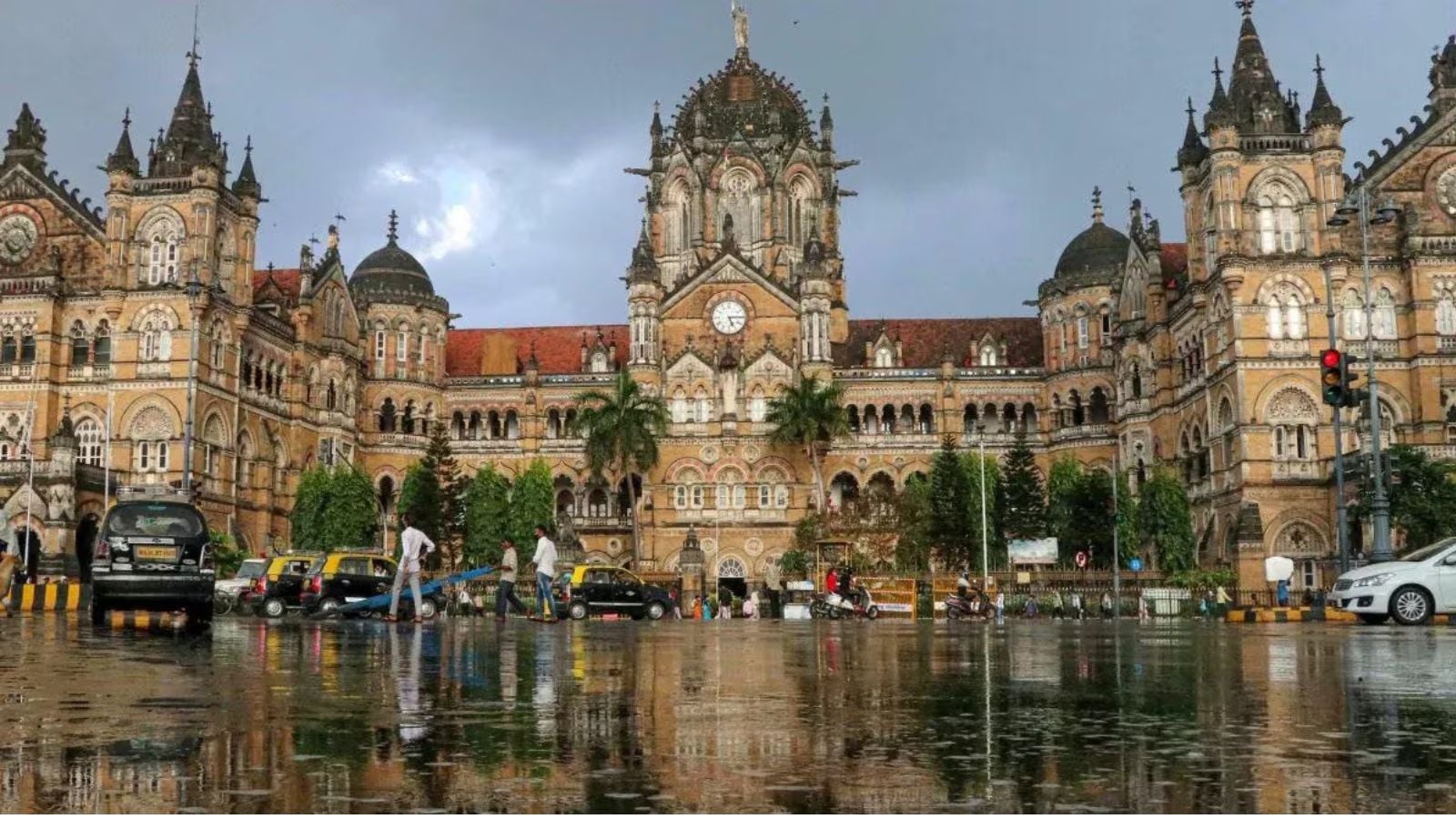
The incident took place at the CSMT station, which serves as the main headquarters for Central Railway. Two local trains, which carry thousands of commuters, were found to be moving toward each other on the same line. This is a rare and dangerous situation because the signaling system is designed to keep trains separated by specific distances. The drivers were able to stop the trains safely before any contact occurred, preventing what could have been a tragic accident.
Important Numbers and Facts
The Mumbai suburban railway system is one of the largest in the world, carrying over 7.5 million passengers every single day. CSMT alone handles hundreds of local and long-distance trains daily. Following the scare, the railway board set up a special committee to investigate the lapse. Officials are looking into whether the mistake was caused by a technical failure in the automated signaling software or if a human error occurred in the control room. The inquiry report is expected to be submitted within a few days to ensure such an event does not happen again.
Background and Context
Mumbai local trains are often called the "lifeline" of the city. Because the city is long and narrow, most people travel from the suburbs to the southern business districts for work. The trains run at very short intervals, sometimes only three to four minutes apart during peak morning and evening hours. To manage this, the railway uses a complex system of lights and track switches. A red light tells a driver to stop, while yellow and green lights indicate it is safe to move forward. The system is built with multiple layers of safety to ensure that two trains never occupy the same section of track at the same time.
Public or Industry Reaction
The news of the track error spread quickly, leading to a wave of worry among regular commuters. Many passengers expressed their fears on social media, asking how such a basic safety rule could be broken at such a major station. Railway experts have also voiced their concerns, noting that even a small mistake in a high-traffic zone like CSMT can have massive consequences. Industry leaders are calling for faster implementation of modern safety technology, such as the "Kavach" system, which is designed to automatically stop trains if they are on a path to collide.
What This Means Going Forward
In the coming weeks, Central Railway is likely to increase its monitoring of track movements and signaling controls. Staff members involved in train dispatching and signaling may have to undergo extra training or safety drills. There is also a possibility that some signaling equipment at CSMT will be replaced or upgraded if the inquiry finds a technical fault. For the public, this incident serves as a reminder of the risks involved in daily travel and the need for constant maintenance of the city's aging rail infrastructure. Authorities will be under pressure to prove that the system is still safe for the millions who use it daily.
Final Take
While a major accident was avoided this time, the event at CSMT is a wake-up call for the railway department. Safety must always come before speed or schedule. The results of the official inquiry will be vital in fixing the gaps in the system. Ensuring that every signal and every track switch works perfectly is the only way to maintain the trust of the millions of people who depend on Mumbai's local trains to get to work and home safely every day.
Frequently Asked Questions
What is a local train in Mumbai?
A local train is a suburban rail service that connects the city of Mumbai with its distant suburbs. It is the most common way for people in the city to travel to work.
How did the trains stop before hitting each other?
The train drivers noticed the error or received an emergency signal, allowing them to apply the brakes and stop the trains at a safe distance from each other.
What is being done to prevent this from happening again?
Railway authorities have started a high-level inquiry to find the root cause. They will use the findings to fix technical issues and improve staff training to ensure better safety on the tracks.



