
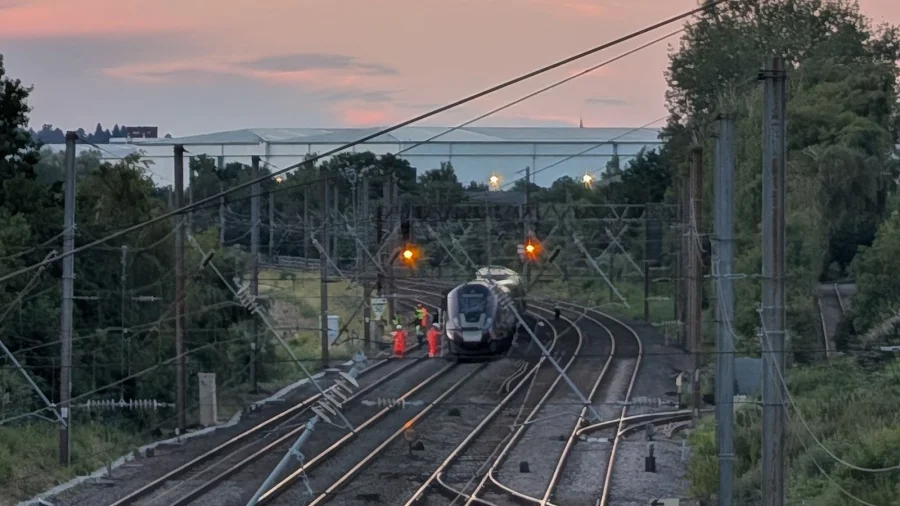
Mumbai's lifeline—the local train network—has been severely disrupted as heavy rains lashed the city, leading to the cancellation of over 13 services. For millions of daily commuters, this means longer waits, packed platforms, and a scramble for alternative transport. The disruption is expected to continue through Saturday, July 25, raising concerns about the city's monsoon preparedness.
Which Train Services Are Affected?
Railway officials confirmed that more than 13 local trains have been cancelled across the Central and Western lines. The cancellations are primarily due to waterlogging on tracks and reduced visibility caused by the downpour. Commuters on key routes, including CST to Kalyan and Churchgate to Virar, are facing the brunt.
Why This Disruption Matters for Mumbai Commuters
Mumbai's local trains carry over 7 million passengers daily. Even a partial cancellation creates a domino effect—crowded compartments, missed connections, and longer travel times. For those heading to work, college, or essential services, the disruption translates into lost hours and increased stress. The timing, during the monsoon season, adds to the city's annual struggle with waterlogging and transport chaos.
How the Situation Unfolded
The heavy rainfall began late Friday night and intensified into Saturday morning. The India Meteorological Department (IMD) had issued a warning for heavy to very heavy rainfall in Mumbai and surrounding areas. By early Saturday, railway authorities began cancelling trains as a precautionary measure to ensure passenger safety. Water levels on tracks at several low-lying sections, including near Sion and Kurla, were reported to be above safe limits.
Who Is Affected and How to Cope
The primary victims are daily wage workers, office commuters, and students who rely on the local train network. Many are now forced to use buses, taxis, or app-based cabs, which are also struggling with waterlogged roads. Railway officials have advised passengers to check real-time updates on the official UTS app or through station announcements. Alternate routes via harbour line or suburban bus services are recommended where possible.
Official Response from Railway Authorities
In a statement, the Western Railway and Central Railway divisions said they are monitoring the situation closely. "Safety of passengers is our top priority. We have cancelled services on sections where waterlogging poses a risk. We urge commuters to plan their journeys accordingly," a senior railway official said. Helpline numbers have been activated at major stations for passenger assistance.
What This Means for Mumbai's Monsoon Infrastructure
The cancellation of over 13 trains highlights a recurring issue: Mumbai's rail network, despite being the city's backbone, remains vulnerable to heavy rainfall. While the Brihanmumbai Municipal Corporation (BMC) has undertaken drainage improvement projects, the scale of disruption suggests more needs to be done. Experts point to the need for better real-time monitoring systems and faster response mechanisms to minimize commuter hardship.
Confirmed Facts vs What Remains Unclear
Confirmed: Over 13 trains cancelled on Central and Western lines. Disruptions expected through July 25. IMD warning for heavy rain in place. Unclear: Exact number of trains affected on each line. Whether more cancellations will follow. The timeline for normalisation of services. Official updates are awaited.
Risks and Balanced View
While cancellations are a safety measure, they also expose gaps in Mumbai's monsoon preparedness. Commuters face financial losses due to missed work and additional travel costs. Some argue that advance warnings could have been stronger. On the other hand, railway authorities face a difficult trade-off between safety and service continuity. The situation underscores the need for long-term investment in weather-resilient rail infrastructure.
Wider Pattern: Monsoon Disruptions in Indian Cities
Mumbai is not alone. Every monsoon, major Indian cities—including Delhi, Bengaluru, and Chennai—face transport disruptions due to heavy rains. The pattern reveals a systemic challenge: urban infrastructure is often not designed to handle extreme weather events, which are becoming more frequent due to climate change. The Mumbai train cancellations are a microcosm of a larger national issue.
Practical Guidance for Commuters
If you are travelling on Saturday, July 25, check the UTS app or official railway social media handles for real-time updates. Consider using the harbour line or BEST buses as alternatives. Allow extra travel time. Carry an umbrella and water. If possible, work from home or delay non-essential travel. Stay informed through local news channels.
Future Outlook
Weather forecasts suggest that rainfall may continue through the weekend. Railway authorities are likely to maintain cautious operations. Normalisation of services will depend on water receding from tracks and improved visibility. Commuters should expect disruptions to persist at least until Sunday. Long-term, the incident may renew calls for better drainage and real-time monitoring systems on the rail network.
Our Take
The cancellation of over 13 Mumbai trains is not just a logistical inconvenience—it is a reminder of how dependent the city is on a fragile system. While safety must come first, the lack of robust alternatives leaves millions stranded. This story matters because it reflects a broader urban challenge: building resilience into critical infrastructure. For now, commuters must navigate the chaos with patience and preparation.
Frequently Asked Questions
Why were over 13 Mumbai trains cancelled on July 25?
Heavy rains led to waterlogging on tracks and reduced visibility, prompting railway authorities to cancel services for passenger safety.
Which train lines are affected by the Mumbai cancellations?
The cancellations are primarily on the Central and Western lines, including routes like CST to Kalyan and Churchgate to Virar.
How can I check if my Mumbai local train is cancelled?
Use the official UTS app, follow Western Railway and Central Railway social media handles, or check station announcements for real-time updates.
Will train services resume on Sunday, July 26?
Normalisation depends on weather conditions and water receding from tracks. Commuters should expect possible continued disruptions and check updates before travel.



